With more than 10‑year industry experience, Shandong Headpowder delivers full‑service pneumatic‑conveying systems and blowers, undertaking nationwide turn‑key powder‑handling projects.
HeadPowder, a leading manufacturer based in Shandong, China, specializes in providing advanced material handling solutions. This article explores the fundamental principles of plunger-type material handling systems and highlights their key characteristics in various industrial applications.
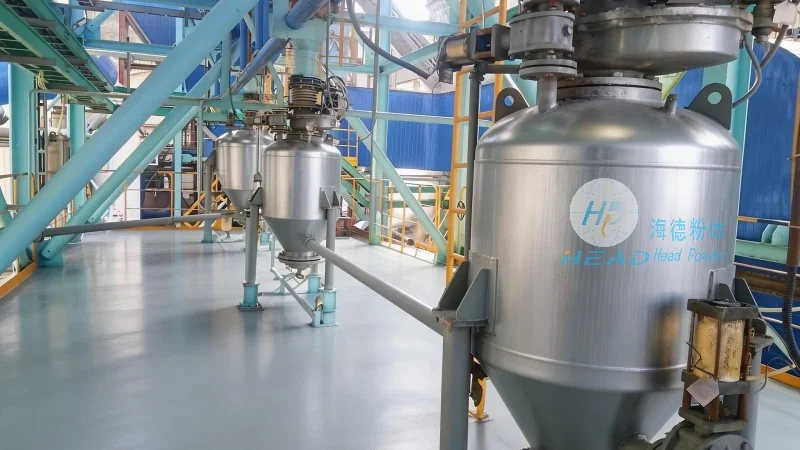
Plunger-type material handling systems represent a specialized approach to transporting bulk materials in industrial settings. These systems are designed to efficiently move powders, granules, and other particulate materials through pipelines or conveyor channels. The core mechanism involves a plunger, typically a piston or a sliding block, that moves back and forth to create a pressure differential, thereby propelling the material forward. This method is particularly effective in scenarios where traditional conveyor belts or screw conveyors may face challenges due to material properties such as stickiness, abrasiveness, or high moisture content.
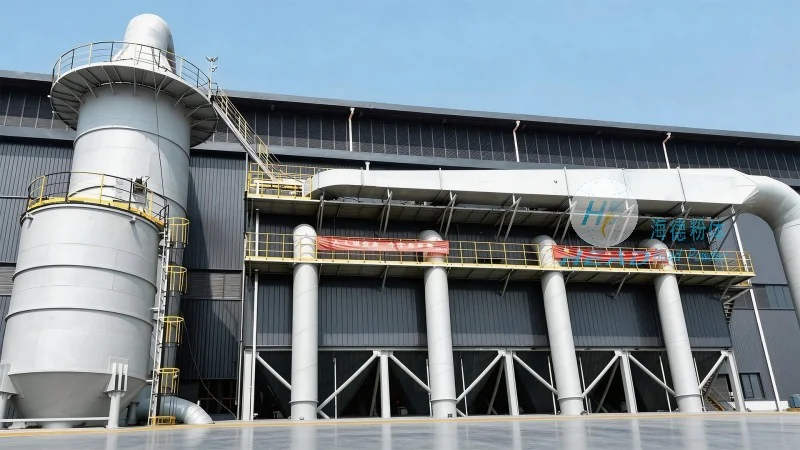
The operation of a plunger-type system is based on the principles of fluid dynamics and mechanical motion. As the plunger moves within a sealed chamber, it displaces the material, generating a pressure wave that travels along the conveying line. This pressure wave pushes the material forward, ensuring a continuous and controlled flow. The system typically consists of a drive unit, a plunger assembly, and a receiving hopper or discharge point. The drive unit, often powered by electric motors or hydraulic systems, controls the speed and frequency of the plunger's movement, allowing for precise regulation of material throughput. The plunger itself is usually made of durable materials like stainless steel or high-grade alloys to withstand the mechanical stresses and corrosive environments common in industrial operations.
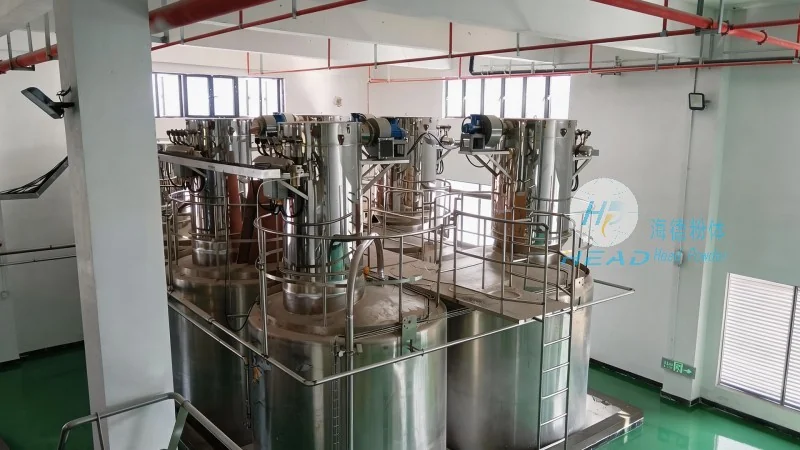
Plunger-type material handling systems are widely adopted in diverse industrial sectors, each presenting unique operational requirements. In pharmaceutical manufacturing, for instance, these systems are crucial for transporting raw powders and finished products with strict hygiene standards. The sealed design of the plunger system prevents contamination, ensuring compliance with regulatory guidelines. In the chemical industry, where materials may be corrosive or reactive, the robust construction of plunger-type conveyors minimizes the risk of leaks or material degradation. Additionally, in food processing facilities, the system's ability to handle sensitive ingredients without compromising quality makes it an ideal choice. The flexibility of plunger-type systems also allows for integration into existing production lines, enabling seamless material transfer between different processing stages.
HeadPowder's plunger-type material handling systems offer several advantages that make them a preferred choice for industrial applications. One of the primary benefits is their high efficiency in handling abrasive or sticky materials, which often cause issues in other conveying methods. The system's ability to maintain a consistent flow rate, regardless of material density or variations, ensures reliable production output. Furthermore, the compact design of plunger-type conveyors requires less floor space compared to traditional screw or belt conveyors, making them suitable for facilities with limited layout options. The low maintenance requirements, due to fewer moving parts and minimal wear on components, contribute to long-term cost savings. In addition, the system's adaptability allows for customization to meet specific operational needs, such as varying material types or throughput rates.
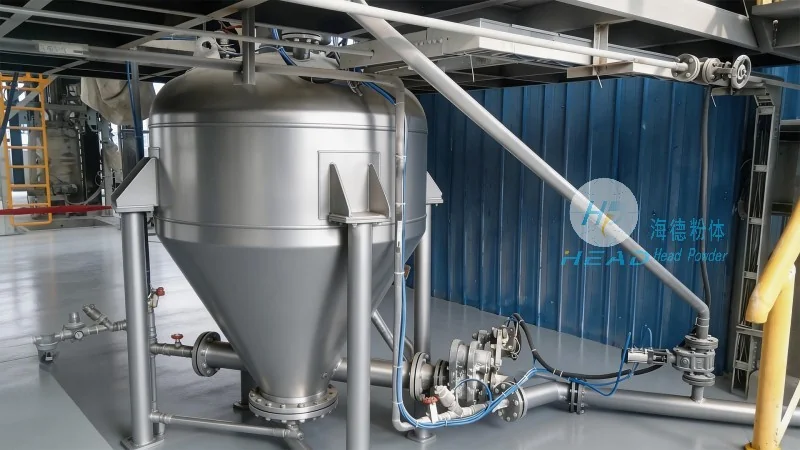
Plunger-type material handling systems, as exemplified by HeadPowder's solutions, represent a sophisticated and reliable method for transporting bulk materials in various industrial environments. By leveraging the principles of mechanical pressure and controlled motion, these systems address the challenges posed by diverse material properties and operational demands. The working scene characteristics, including hygiene, durability, and flexibility, make them indispensable in sectors ranging from pharmaceuticals to chemicals and food processing. As industries continue to seek efficient and reliable material handling solutions, plunger-type systems remain a valuable asset, ensuring smooth and uninterrupted production processes. HeadPowder, with its expertise and commitment to quality, continues to provide tailored solutions that meet the evolving needs of modern industrial operations.

 Shandong Headpowder Engineering Co., Ltd.
 156-6277-7102(Manager Zhang)
  0531-83386006
  Zhangqiu District, Jinan City, Shandong Province, China
telephone
WeChatconsult
top