

Principles and Working Scene Characteristics of Fiber Material Conveying Systems
HeadPowder, a leading engineering firm based in Shandong, China, specializes in the design and implementation of advanced fiber material conveying systems. These systems are engineered to efficiently transport various types of fibrous materials, such as wood chips, paper pulp, and textile fibers, across industrial settings. The core principle behind these systems lies in the integration of mechanical components and control technologies to ensure reliable, high-capacity material handling while minimizing operational disruptions.
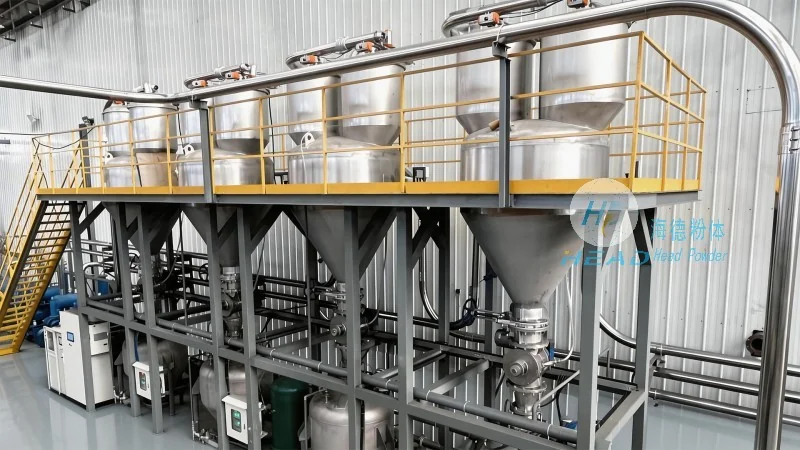
System Principles: The Mechanics of Fiber Material Conveying
The fundamental operation of a fiber material conveying system revolves around the interaction of several key components. At its heart is a drive mechanism, typically powered by electric motors, which provides the necessary force to move the material through the system. This drive is often coupled with a conveyor belt or a series of pulleys and rollers, depending on the material's characteristics and the required transport distance. For fibrous materials, which can be lightweight and prone to entanglement, specialized conveyor designs, such as belt conveyors with reinforced surfaces or screw conveyors, are employed to prevent material degradation and ensure smooth flow. The choice of conveyor type is critical; for example, belt conveyors are preferred for long-distance horizontal transport due to their low friction and high load capacity, while screw conveyors excel in vertical or inclined transport, where they can handle materials with higher moisture content or density.
Control systems play a pivotal role in optimizing the performance of these conveying systems. Modern fiber material conveyors are equipped with sensors and automation technologies that monitor parameters like material flow rate, pressure, and temperature in real-time. This data is processed by a central control unit, which adjusts the motor speed or conveyor tension as needed to maintain consistent operation. Additionally, safety features, including emergency stop buttons and overload protection, are integrated to safeguard both the equipment and personnel from potential hazards. The integration of programmable logic controllers (PLCs) and human-machine interfaces (HMIs) further enhances operational flexibility, allowing for remote monitoring and adjustments from a central control room.
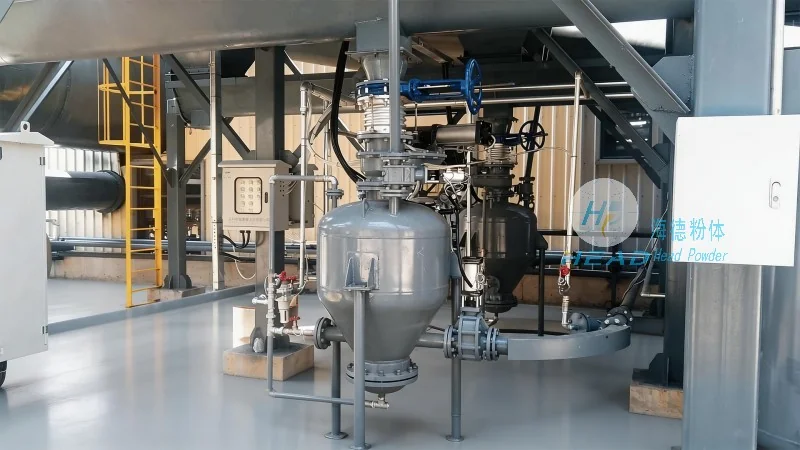
Working Scene Characteristics: Applications and Operational Environments
Fiber material conveying systems are widely utilized across diverse industrial applications, each presenting unique operational challenges and requirements. In the pulp and paper industry, for instance, these systems are critical for transporting wood chips from storage to processing facilities, where they are converted into pulp for paper production. The high volume and abrasive nature of wood chips demand robust conveyor designs with durable materials like stainless steel or reinforced plastic to withstand wear and tear. Advanced systems may also incorporate cleaning mechanisms, such as brushes or water sprays, to remove debris and maintain conveyor efficiency.
In the textile industry, fiber material conveyors handle raw fibers, such as cotton or synthetic fibers, from sorting and cleaning processes to spinning and weaving. The precision required in these applications often necessitates conveyors with adjustable speed controls and gentle handling mechanisms to prevent fiber damage, which could compromise the quality of the final textile products. For example, in cotton processing, conveyors may use soft, fabric-covered belts to minimize fiber breakage, while in synthetic fiber handling, anti-static coatings are applied to prevent material buildup and ensure smooth transport.
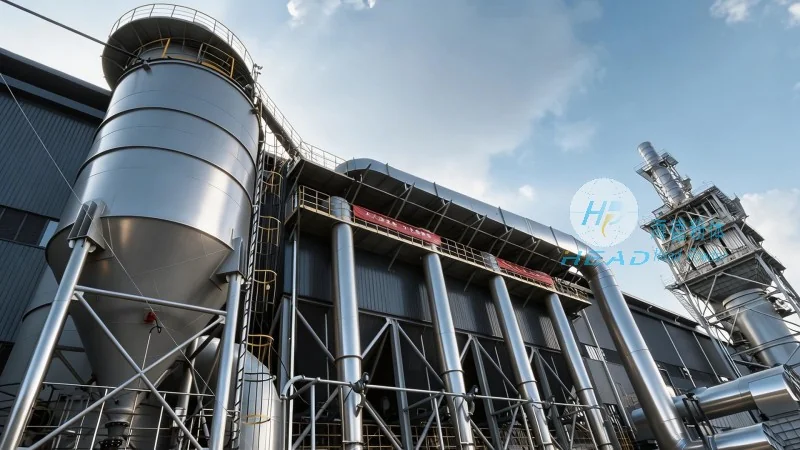
In the wood processing sector, systems are used to transport sawdust and wood shavings from cutting operations to storage or further processing stages, where they may be repurposed as biomass fuel or raw material for composite products. The high moisture content and fine particle size of these materials require conveyors with self-cleaning features and low friction surfaces to prevent clogging and maintain consistent flow. Some systems may also include drying or cooling stages integrated with the conveyor to adjust the material's moisture level before storage or processing.
The operational environment of these systems also varies significantly. Some applications occur in controlled indoor settings, such as manufacturing plants, where temperature and humidity are regulated to maintain material quality. In contrast, others may involve outdoor or semi-outdoor operations, such as in agricultural or forestry contexts, where systems must be designed to withstand exposure to weather elements and varying environmental conditions. Regardless of the setting, the primary goal remains consistent: to provide a reliable and efficient means of transporting fibrous materials while ensuring minimal downtime and maximum productivity. HeadPowder's expertise in tailoring these systems to specific operational needs ensures that clients achieve optimal performance and cost-effectiveness in their material handling processes.