With more than 10‑year industry experience, Shandong Headpowder delivers full‑service pneumatic‑conveying systems and blowers, undertaking nationwide turn‑key powder‑handling projects.
For industrial applications requiring the efficient and reliable transport of coke pellets, the pneumatic conveying system stands as a crucial solution. This article provides an overview of the structure and operational principles of a coke pellet pneumatic conveying line, highlighting the key components and their interplay in facilitating smooth material handling processes.
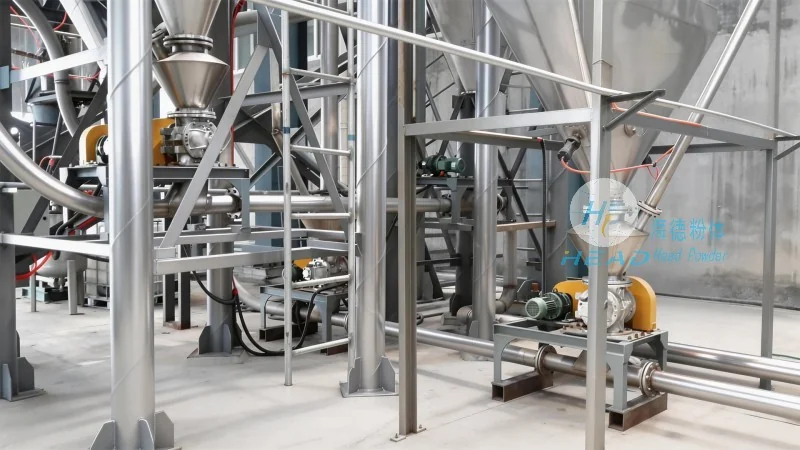
The coke pellet pneumatic conveying system is engineered to transport coke pellets from a source, such as a storage silo or hopper, to a destination, like a processing unit or storage facility. The system operates by utilizing a combination of air flow and pressure differentials to move the solid particles through a pipeline network. This method offers advantages over traditional mechanical conveyors, including reduced maintenance requirements, lower energy consumption, and the ability to handle materials in a dust-free environment.
The coke pellet pneumatic conveying line typically consists of several essential components that work in tandem to ensure effective material transport. These components include the material feed hopper, the air supply system (including a blower or compressor), the conveying pipeline, and the discharge equipment. Each component plays a vital role in the overall functionality of the system.
The material feed hopper is the initial component where coke pellets are loaded. It is designed to hold a sufficient quantity of material to maintain a consistent flow rate into the conveying system. The hopper features a feed mechanism, such as a rotary valve or a screw feeder, which regulates the amount of material discharged into the pipeline. This component ensures that the material is introduced into the system at a controlled rate, preventing overloading and maintaining system efficiency.
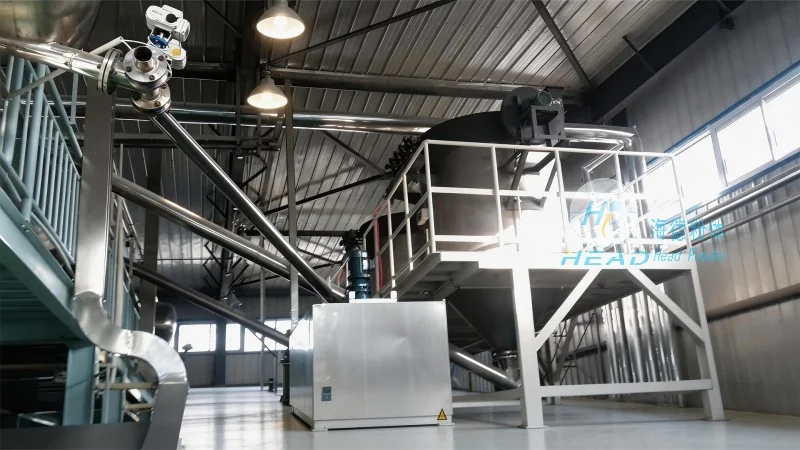
The air supply system is responsible for generating the necessary airflow and pressure to move the coke pellets through the pipeline. It typically includes a blower or a compressor, which can be either positive displacement or centrifugal types. The choice of equipment depends on the system's capacity, the distance of transport, and the particle characteristics of the coke pellets. The system also incorporates air filters and moisture separators to ensure that the air used is clean and free from contaminants that could affect the material quality or the equipment performance.
The conveying pipeline is the main channel through which the coke pellets are transported. It is constructed from materials that are resistant to abrasion and corrosion, such as stainless steel or high-density polyethylene, to withstand the abrasive nature of coke pellets and the potential presence of moisture or chemicals. The pipeline is designed with appropriate bends and fittings to maintain the flow of material without causing blockages or excessive pressure drops. The diameter and length of the pipeline are carefully selected based on the system's capacity and the required transport distance.
The discharge equipment is the final component of the system, responsible for releasing the coke pellets from the pipeline at the destination point. This equipment can include a rotary valve, a pressure relief valve, or a hopper discharge system. The discharge mechanism is designed to control the flow of material and prevent backflow or spillage. It ensures that the coke pellets are delivered to the intended location in a controlled manner, minimizing dust generation and maintaining a clean working environment.
The operation of the coke pellet pneumatic conveying system follows a systematic process. Initially, the coke pellets are fed into the material hopper from a storage silo or a batch container. The feed mechanism then regulates the flow of material into the pipeline. Simultaneously, the air supply system generates a high-pressure airflow that enters the pipeline at the inlet point. As the air flows through the pipeline, it picks up the coke pellets and transports them to the discharge point. The air and material mixture then passes through a separator, where the air is separated from the solid particles. The separated air is typically recirculated back to the system, while the coke pellets are collected in a receiving hopper or a storage bin.
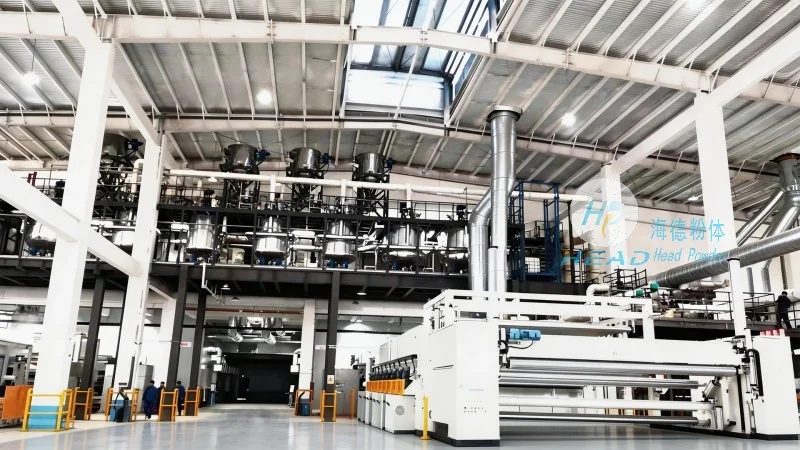
The coke pellet pneumatic conveying system offers several advantages over traditional mechanical conveying methods. These advantages include reduced space requirements, as the system can be installed in a compact footprint due to the absence of large mechanical components. Additionally, the system provides a dust-free environment, which enhances workplace safety and reduces the risk of material contamination. The ability to transport materials over long distances without the need for intermediate transfer points also contributes to operational efficiency. Furthermore, the system is relatively easy to install and maintain, with minimal moving parts that require regular servicing.
The coke pellet pneumatic conveying system is widely used in various industrial sectors that require the handling of coke pellets. These industries include steel manufacturing, where coke is used as a fuel and a reducing agent in blast furnaces. The system is also utilized in chemical processing plants, where coke pellets are used as a raw material for the production of chemicals and other industrial products. Additionally, the system finds applications in power generation facilities, where coke is used as a fuel source for boilers and turbines.
In conclusion, the coke pellet pneumatic conveying system is a highly effective and efficient solution for the transport of coke pellets in industrial settings. The system's structure, which includes the material feed hopper, air supply system, conveying pipeline, and discharge equipment, works in harmony to ensure smooth and reliable material handling. The working principle of the system, which relies on air flow and pressure differentials, enables the transport of coke pellets over long distances with minimal energy consumption. The advantages of the system, such as reduced maintenance requirements and a dust-free environment, make it an attractive option for industries seeking to improve their material handling processes. As a leading provider of engineering solutions, Shandong HeadPowder Engineering Co., Ltd. specializes in the design and manufacturing of such pneumatic conveying systems, offering customized solutions tailored to the specific needs of clients in the coke and related industries.

 Shandong Headpowder Engineering Co., Ltd.
 156-6277-7102(Manager Zhang)
  0531-83386006
  Zhangqiu District, Jinan City, Shandong Province, China
telephone
WeChatconsult
top