With more than 10‑year industry experience, Shandong Headpowder delivers full‑service pneumatic‑conveying systems and blowers, undertaking nationwide turn‑key powder‑handling projects.
HeadPowder, a leading engineering firm based in Shandong, China, specializes in the design and manufacturing of advanced pneumatic conveying systems tailored for the handling of rare earth mineral powders. This article provides a comprehensive overview of the rare earth mineral powder pneumatic conveying line, detailing its structural components and operational principles to help clients understand the technology's efficiency and reliability.
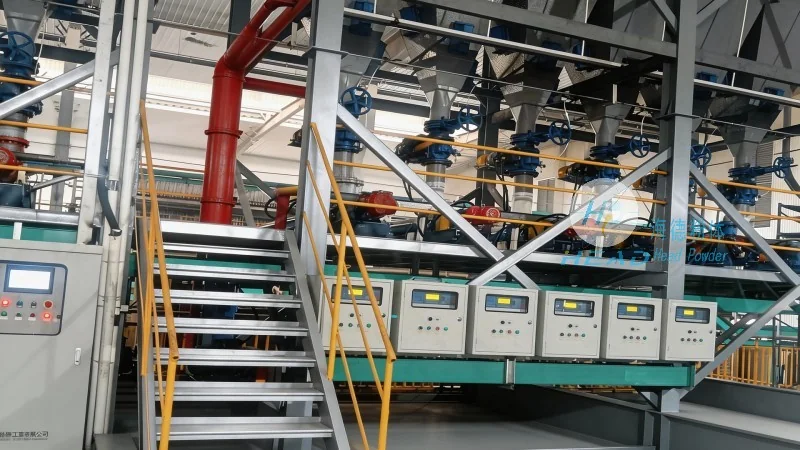
The rare earth mineral powder pneumatic conveying line consists of several critical components that work in tandem to ensure safe and efficient material transport. The primary elements include the material hopper, feeder, air compressor, conveying pipeline, and dust collection system. Each component plays a vital role in the overall operation of the system.
The material hopper is designed to store the rare earth mineral powders, providing a stable feed source. It is equipped with a level indicator to monitor the material inventory, ensuring consistent feeding to the feeder. The feeder, typically a rotary valve or a screw feeder, regulates the flow rate of the powder into the conveying line, preventing overloading and maintaining a steady supply to the air compressor.
The air compressor is the heart of the pneumatic conveying system, generating the necessary air pressure to move the powder particles through the pipeline. Different types of compressors, such as rotary lobe or screw compressors, are used depending on the specific requirements of the application. The compressor's capacity and pressure settings are critical to achieving optimal conveying efficiency without causing excessive wear on the system components.
The conveying pipeline is constructed from materials resistant to corrosion and abrasion, such as stainless steel or special alloys, to withstand the harsh conditions of rare earth mineral powders. The pipeline design includes bends and elbows that are carefully engineered to minimize pressure drop and maintain the flow of the powder-air mixture. Proper pipeline sizing and layout are essential to avoid blockages and ensure smooth material transport.
The dust collection system, often integrated with the conveying line, captures any airborne particles that may escape during the conveying process. This system typically includes a filter or cyclone separator to remove dust from the exhaust air, ensuring compliance with environmental regulations and maintaining a clean working environment. The collected dust is then returned to the material hopper or disposed of according to local regulations.
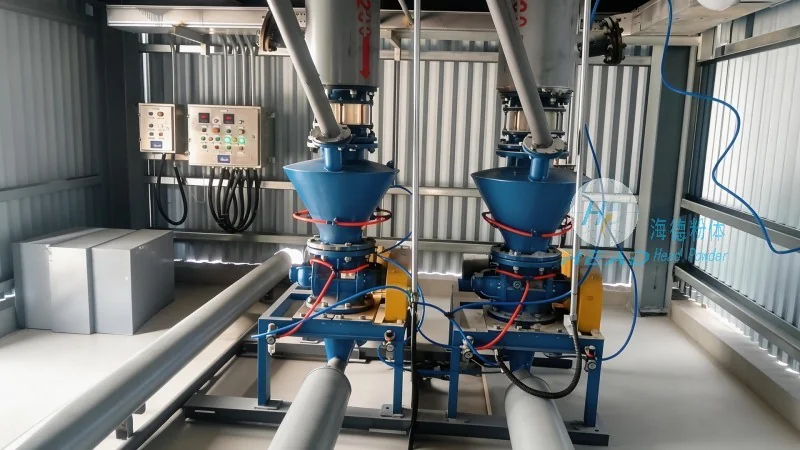
The operation of the rare earth mineral powder pneumatic conveying line follows a systematic process that involves the generation of airflow, material feeding, and transport through the pipeline. The process begins with the air compressor drawing in ambient air and compressing it to a high pressure. This pressurized air is then introduced into the material hopper, where it lifts the powder particles and draws them into the conveying pipeline.
As the powder particles are entrained by the air stream, they are carried through the pipeline to the discharge point. The velocity of the air and the size of the powder particles determine the conveying velocity and the pressure drop along the pipeline. Proper air velocity is crucial to prevent particle separation and ensure uniform flow. The system is designed to maintain a consistent air-to-material ratio to achieve optimal conveying performance.
The conveying process continues until the material reaches the discharge hopper or the final destination. At this point, the air is released from the pipeline, and the powder is deposited into the receiving container. The air, now containing some residual dust, is then directed to the dust collection system for filtration before being vented or recirculated, depending on the system configuration.
Pneumatic conveying systems offer several advantages over traditional mechanical conveying methods for handling rare earth mineral powders. One of the key benefits is the ability to transport materials in a closed system, which prevents contamination from external sources and minimizes dust emissions. This is particularly important for rare earth minerals, which are often sensitive to moisture and other environmental factors.
Another advantage is the flexibility of the system, which allows for easy integration with existing production lines and the ability to transport materials over long distances without the need for multiple transfer points. The system can be customized to accommodate varying material characteristics, such as particle size, density, and moisture content, ensuring optimal performance for each application.
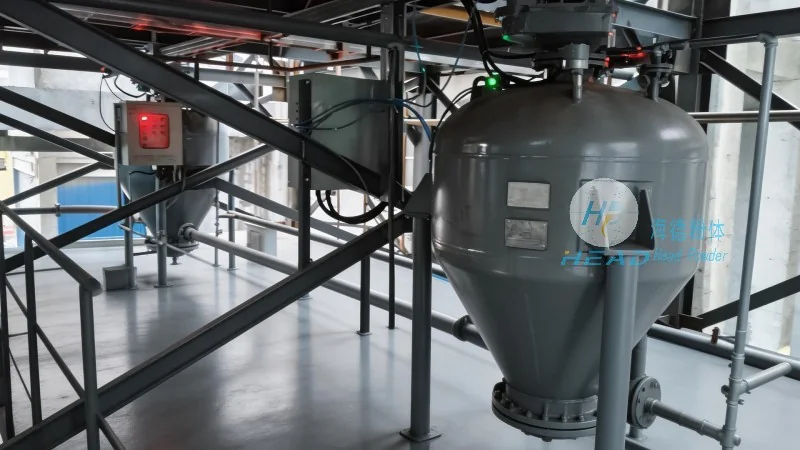
Additionally, pneumatic conveying systems are generally more energy-efficient compared to mechanical conveying, as they require less maintenance and can operate with lower power consumption. The closed-loop design also reduces the risk of material loss and improves overall process safety, making it an ideal solution for industrial applications where precision and reliability are paramount.
The rare earth mineral powder pneumatic conveying line is widely used in various industries that rely on the handling of rare earth materials. These applications include the production of rare earth magnets, catalysts, and other specialized chemicals. The system is also utilized in the mining and processing of rare earth ores, where efficient material transport is critical to maintaining production efficiency.
In the manufacturing of rare earth magnets, for example, the conveying line is used to transport fine powders to the sintering or pressing machines. The precise control of material flow and the prevention of contamination are essential to ensure the quality and consistency of the final product. Similarly, in the production of rare earth catalysts, the system helps maintain the purity of the materials, which is crucial for the effectiveness of the catalysts.
The system's adaptability also makes it suitable for other industries, such as electronics and aerospace, where rare earth materials are used in the production of high-performance components. By providing a reliable and efficient means of material handling, the pneumatic conveying line contributes to the overall productivity and cost-effectiveness of these industries.
HeadPowder's rare earth mineral powder pneumatic conveying line represents a sophisticated solution for the efficient and safe handling of rare earth materials. Through its well-designed structural components and operational principles, the system ensures optimal performance, minimal maintenance, and compliance with environmental standards. As a trusted provider of engineering solutions, HeadPowder continues to innovate and improve its pneumatic conveying systems to meet the evolving needs of the rare earth industry.

 Shandong Headpowder Engineering Co., Ltd.
 156-6277-7102(Manager Zhang)
  0531-83386006
  Zhangqiu District, Jinan City, Shandong Province, China
telephone
WeChatconsult
top