With more than 10‑year industry experience, Shandong Headpowder delivers full‑service pneumatic‑conveying systems and blowers, undertaking nationwide turn‑key powder‑handling projects.
Polycarbonate pneumatic conveying systems represent a sophisticated solution for material handling, particularly in industries requiring efficient, clean, and low-maintenance transport of powders and granules. This article provides an overview of the structure and operational principles of such systems, highlighting their design features and practical applications.
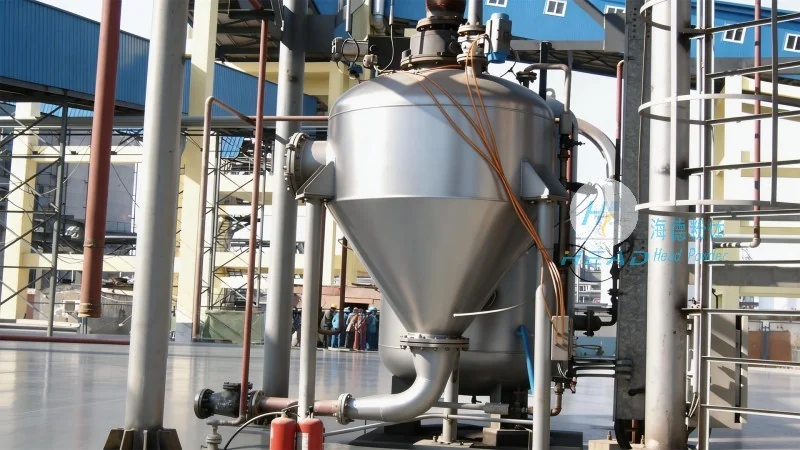
HeadPowder, a leading manufacturer in the field, is based in Shandong, China. As a specialized engineering company, HeadPowder has developed expertise in designing and manufacturing high-quality pneumatic conveying equipment. The company’s facilities in Shandong are equipped with advanced technology and skilled personnel, ensuring the production of reliable and durable systems tailored to diverse industrial needs.
Pneumatic conveying systems utilize air or other gases to transport bulk materials through a network of pipes. Polycarbonate, a durable and chemically resistant plastic, is commonly used for the construction of these systems due to its excellent properties, including high impact resistance, transparency, and resistance to many chemicals. This material choice enhances the system’s longevity and performance in various environments.
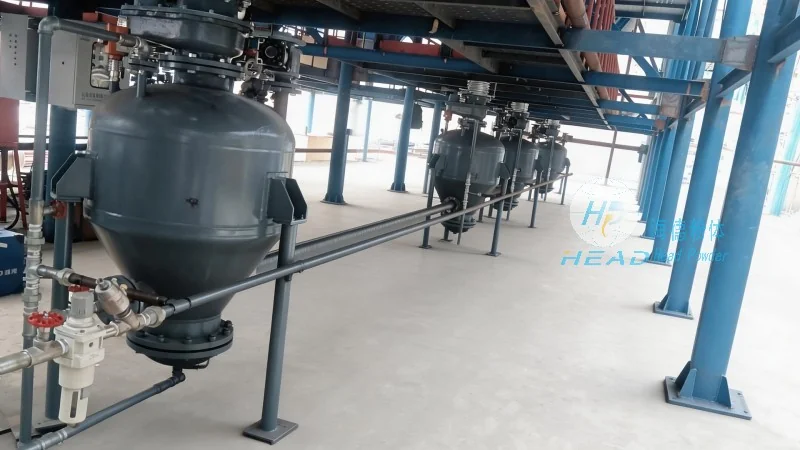
The core structure of a polycarbonate pneumatic conveying system typically includes several essential components. The main elements are the conveying pipes, which are made from polycarbonate to withstand the internal pressure and material abrasion. These pipes are connected to a series of valves and fittings that control the flow of material and air. The system also incorporates a feeding device, such as a rotary valve or a screw feeder, which introduces the material into the pipeline at a controlled rate. Additionally, a separation unit, often a cyclone or a filter, is used to separate the conveyed material from the air stream, ensuring that the material is deposited at the desired destination without contamination.
The operation of a polycarbonate pneumatic conveying system involves a sequence of steps that ensure efficient material transport. The process begins with the material being fed into the system by the feeding device. Simultaneously, a fan or blower generates a flow of air within the conveying pipes. The air flow, combined with the material, creates a slurry-like mixture that moves through the pipes under pressure. As the mixture travels, it passes through the separation unit, where the air is separated from the material. The separated material is then collected in a hopper or storage bin, while the air is either filtered or recirculated back into the system. This continuous cycle allows for the reliable and efficient transport of materials over varying distances and heights.
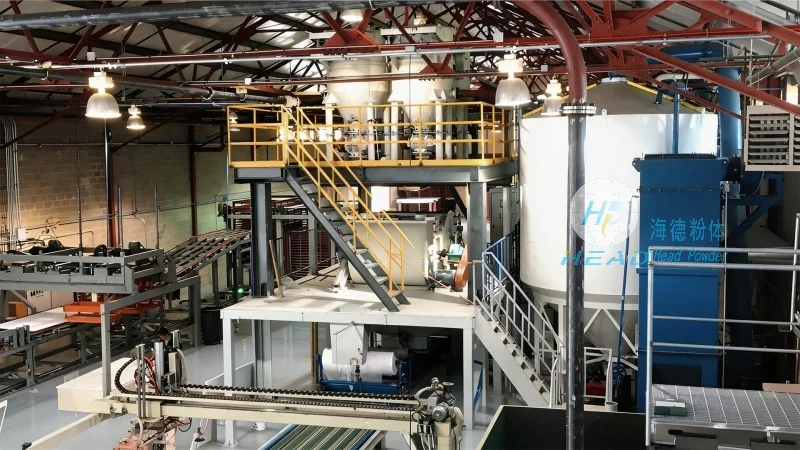
Using polycarbonate for the construction of pneumatic conveying systems offers several advantages. The material’s high impact resistance makes it suitable for handling abrasive materials without significant wear or damage. Its transparency allows for visual monitoring of the material flow, which is beneficial for quality control and operational oversight. Furthermore, polycarbonate is resistant to many chemicals and solvents, making it ideal for applications involving corrosive or sensitive materials. These properties contribute to the system’s durability and low maintenance requirements, reducing operational costs and downtime.
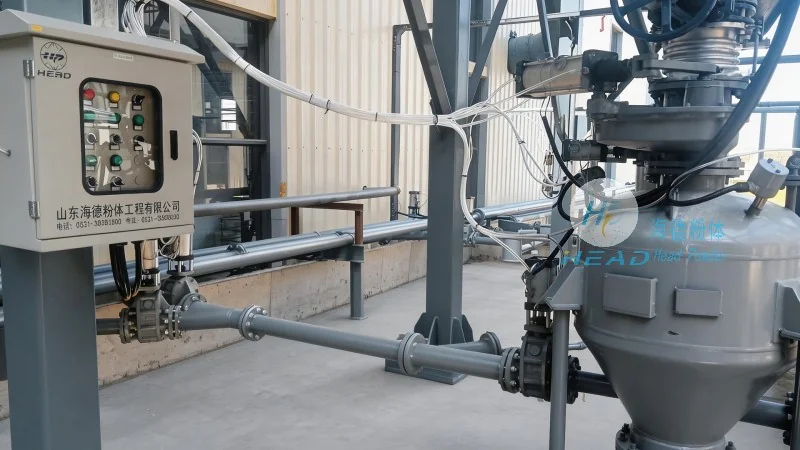
Polycarbonate pneumatic conveying systems are widely used across various industries due to their versatility and efficiency. Common applications include the transport of pharmaceutical powders, food additives, and fine chemicals in the pharmaceutical and food sectors. In the chemical industry, these systems are employed for handling powders and granules that require clean and hygienic transport. Additionally, they are used in the plastic and polymer industries for conveying raw materials and finished products. The systems are also suitable for applications in the agricultural sector, where they can transport fertilizers and other agricultural materials.
In summary, polycarbonate pneumatic conveying systems are a robust and efficient solution for material handling. The combination of polycarbonate’s superior material properties and the system’s well-designed structure ensures reliable performance in various industrial applications. With its ability to handle a wide range of materials and its low maintenance requirements, this technology continues to be a preferred choice for industries seeking effective and durable material transport solutions.

 Shandong Headpowder Engineering Co., Ltd.
 156-6277-7102(Manager Zhang)
  0531-83386006
  Zhangqiu District, Jinan City, Shandong Province, China
telephone
WeChatconsult
top