With more than 10‑year industry experience, Shandong Headpowder delivers full‑service pneumatic‑conveying systems and blowers, undertaking nationwide turn‑key powder‑handling projects.
Cement and mineral powder pneumatic conveying systems are critical in modern industrial applications, providing efficient and reliable methods for transporting bulk materials like cement, fly ash, and other fine powders. These systems utilize air as the medium to move powders through a network of pipes, ensuring seamless material handling from storage to processing units. The technology has evolved significantly, offering various configurations tailored to specific operational needs, such as high-capacity transport, long-distance delivery, or handling of abrasive materials.
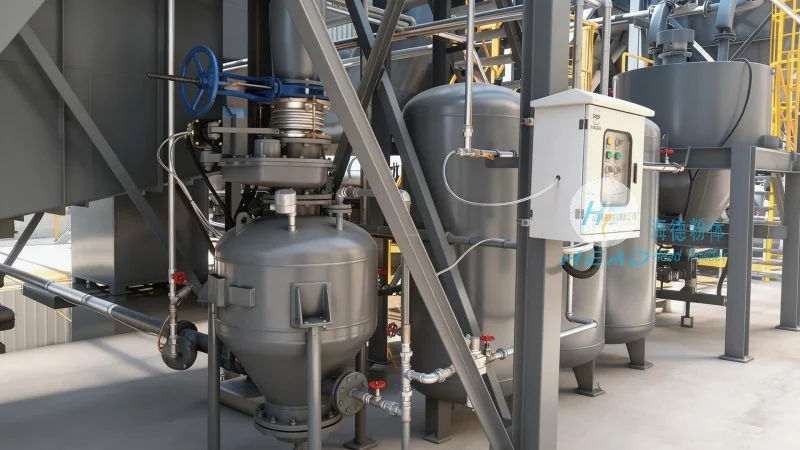
The fundamental structure of a cement and mineral powder pneumatic conveying line typically includes several key components that work in concert to achieve effective material transport. At the heart of the system is the air compressor, which generates the necessary pressure or vacuum to move the powder. This is often complemented by a feed hopper or rotary valve that controls the flow of material into the system, ensuring consistent and controlled feeding. The conveying pipes form the main pathway for the material, with diameters and materials carefully selected to minimize friction and prevent material buildup. For longer distances or complex layouts, expansion joints and flexible connectors are incorporated to accommodate thermal expansion and structural movements.
At the receiving end, a separator or dust collector is essential to separate the conveyed powder from the air stream. This component typically includes a cyclone or bag filter, which captures the fine particles and returns them to the process while releasing clean air. In some systems, a de-duster or airlock may be used to further clean the material before it reaches the final destination. Additionally, control valves and pressure sensors are integrated to regulate the flow and monitor system performance, ensuring optimal operation and preventing issues like blockages or overpressure.
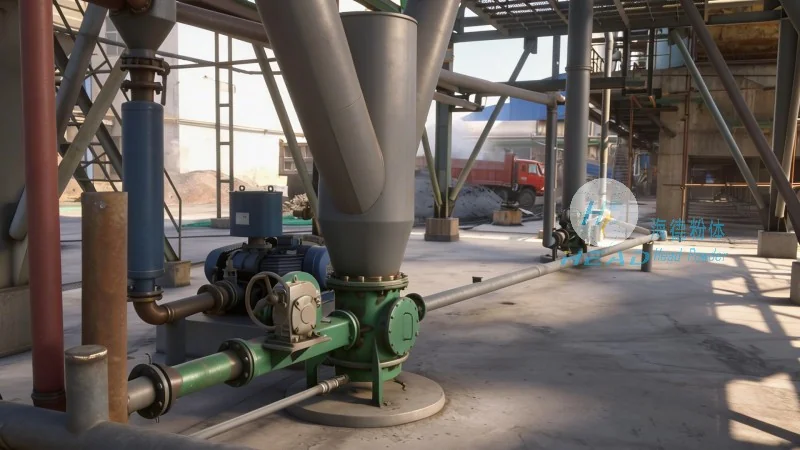
Pneumatic conveying systems operate on two primary principles: positive pressure (pressure) and negative pressure (vacuum). Positive pressure systems use the compressor to push air and material through the pipes, making them suitable for short to medium distances and handling abrasive or sticky materials. The air is introduced at the feed point, creating a high-velocity flow that entrains the powder and transports it to the destination. Negative pressure systems, on the other hand, use a vacuum pump to draw material into the system, which is ideal for long-distance transport or when the material needs to be collected from multiple sources. The vacuum creates a suction effect that pulls the powder into the pipes, with the air flow direction opposite to the material movement.
In both systems, the key to efficient operation lies in maintaining the correct air-to-material ratio. This ratio determines the velocity of the air stream and the distance the material can travel. An optimal ratio ensures that the powder is fully entrained without excessive air consumption or pressure loss. The system design also considers factors such as particle size, density, and moisture content, as these characteristics affect the flow behavior and the required air velocity. For example, finer particles may require higher air velocities to prevent settling or clogging, while larger or denser particles may need a higher air-to-material ratio to maintain consistent transport.
The versatility of cement and mineral powder pneumatic conveying systems makes them indispensable in various industries, including cement manufacturing, power generation, and construction material processing. In cement plants, these systems are used to transport raw materials like limestone and clay from storage silos to the grinding mills, as well as to move finished cement products to packaging units. In power plants, they efficiently convey fly ash from boiler hoppers to storage silos or to be used as a raw material in cement production. The benefits of using pneumatic conveying include improved safety by eliminating manual handling of powders, reduced dust emissions compared to traditional bucket elevators or belt conveyors, and increased operational efficiency through automated control systems.
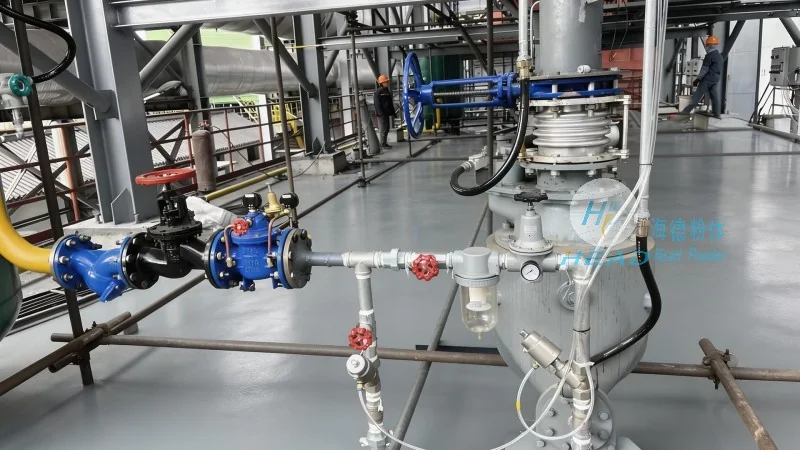
Another significant advantage is the ability to handle materials in a closed system, which minimizes environmental impact and prevents contamination. The sealed pipes and controlled air flow reduce the risk of dust dispersion into the workplace or the environment, making it a preferred choice in industries where air quality regulations are stringent. Additionally, pneumatic conveying systems can be integrated with other process equipment, such as mixers, classifiers, or storage silos, creating a seamless material handling workflow. This integration enhances overall plant productivity and reduces downtime by eliminating the need for manual transfers between different stages of the process.
HeadPowder, the professional provider of cement and mineral powder pneumatic conveying solutions, is a leading enterprise based in Shandong, China. With years of experience in the field, the company specializes in designing, manufacturing, and installing customized pneumatic conveying systems tailored to the unique requirements of its clients. The company's team of engineers and technicians leverages advanced technology and industry expertise to deliver high-quality solutions that meet international standards and client specifications.
HeadPowder's commitment to quality and innovation is reflected in its state-of-the-art production facilities and rigorous quality control processes. The company adheres to international standards such as ISO 9001 for quality management and ensures that all products are tested and validated before delivery. This dedication to excellence has earned HeadPowder a reputation for reliability and customer satisfaction, with clients ranging from large-scale cement manufacturers to smaller industrial facilities.
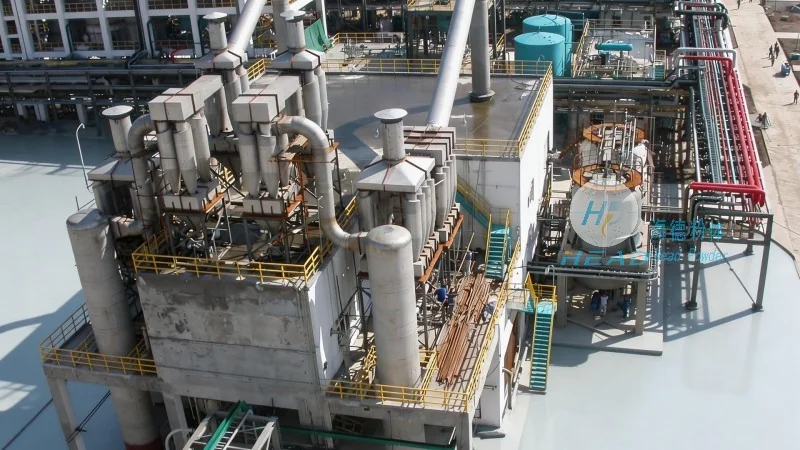
HeadPowder's location in Shandong, China, provides strategic advantages in terms of access to raw materials, skilled labor, and a robust supply chain. The company's facilities are equipped with modern manufacturing equipment and automated production lines, enabling efficient production of pneumatic conveying components and systems. The team at HeadPowder is dedicated to providing comprehensive support to clients, from initial consultation and system design to installation, commissioning, and after-sales service. This customer-centric approach ensures that clients receive not only high-quality products but also tailored solutions that address their specific operational challenges.
Cement and mineral powder pneumatic conveying systems represent a sophisticated and efficient solution for bulk material transport in various industrial applications. By understanding the core components, working principles, and benefits of these systems, industries can optimize their material handling processes, enhance safety, and improve overall operational efficiency. As technology continues to advance, pneumatic conveying systems are likely to evolve further, incorporating smart sensors, automation, and energy-efficient designs to meet the growing demands of modern manufacturing. For businesses seeking reliable and effective solutions for transporting cement and mineral powders, HeadPowder Engineering Co., Ltd. stands as a trusted partner, offering expertise and innovative solutions to meet their needs.

 Shandong Headpowder Engineering Co., Ltd.
 156-6277-7102(Manager Zhang)
  0531-83386006
  Zhangqiu District, Jinan City, Shandong Province, China
telephone
WeChatconsult
top