Introduction to Silica Powder Pneumatic Conveying Systems: Structure and Working Principles
Release time:2026-09-21 23:01:52
name of the company:Shandong Headpowder Engineering Co., Ltd.
telephone:156-6277-7102
contacts:Manager Zhang
HeadPowder, a professional manufacturer based in Shandong, China, specializes in the design, production, and installation of advanced pneumatic conveying systems for various industrial applications. This article provides an overview of silica powder pneumatic conveying systems, detailing their structural components and operational principles to help users understand the technology's efficiency and reliability.
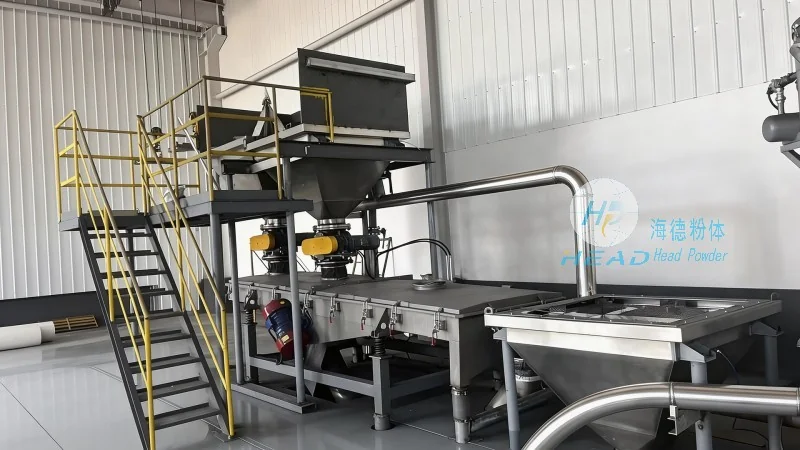
Overview of Silica Powder Pneumatic Conveying Systems
Silica powder, also known as silicon dioxide (SiO₂), is a widely used industrial material in sectors like construction, glass manufacturing, and chemical processing. The efficient handling of silica powder is crucial for maintaining production efficiency and product quality. Pneumatic conveying systems offer a non-contact, low-cost method to transport these powders over long distances, minimizing material degradation and contamination risks. HeadPowder's systems are engineered to meet the specific demands of silica powder, ensuring optimal performance in diverse operational environments.
Key Structural Components of Pneumatic Conveying Systems
The core structure of a pneumatic conveying system for silica powder includes several essential components that work in tandem to facilitate material transport. These components are designed to handle the unique properties of silica powder, such as its fine particle size and potential for static charge accumulation. The main structural elements include:
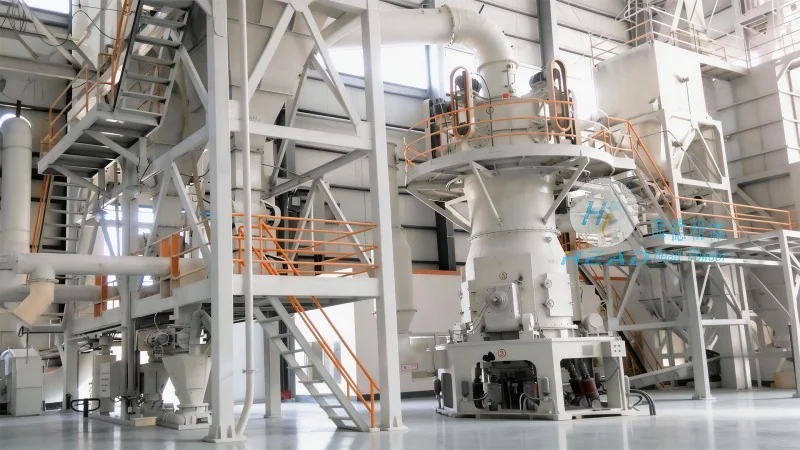
- Conveying Ducts: These are the primary pathways for transporting silica powder. Made from materials like stainless steel or special plastics, the ducts are designed to withstand the abrasive nature of silica particles and prevent blockages. The ducts are typically equipped with smooth inner surfaces to reduce friction and ensure consistent flow.
- Feeding Hoppers: The hoppers are used to store and feed the silica powder into the conveying system. They are equipped with feeders, such as rotary valves or screw feeders, which control the flow rate of the powder. The design of the hoppers minimizes the risk of material bridging or agglomeration, ensuring a steady supply of powder to the system.
- Compressors and Air Treatment Units: The pneumatic system relies on a compressor to generate the necessary air pressure for conveying. The air treatment units, including filters and dryers, ensure that the air used is clean and dry, preventing contamination of the silica powder and maintaining the efficiency of the system. These units are critical for extending the lifespan of the equipment and maintaining product purity.
- Control Systems: Modern pneumatic conveying systems are equipped with advanced control systems that monitor and regulate the operation of the components. These systems allow for real-time adjustments to flow rates, pressure, and other parameters, ensuring optimal performance and preventing system failures. The control panels are user-friendly and provide detailed operational data for maintenance and troubleshooting.
Working Principles of Silica Powder Pneumatic Conveying
The operational principle of a pneumatic conveying system for silica powder involves the use of compressed air to transport the material through the ducts. The process typically follows these steps:
- Air Generation: A compressor generates high-pressure air, which is then passed through air treatment units to remove moisture and particulate matter. This clean air is essential for maintaining the quality of the silica powder and preventing system corrosion.
- Powder Injection: The silica powder is fed from the hoppers into the conveying ducts using feeders. The feed rate is controlled to match the air flow, ensuring a consistent mixture of powder and air.
- Conveyance: The compressed air, carrying the silica powder, moves through the ducts at high velocity. The air flow entrains the powder particles, lifting them and transporting them to the destination point. The design of the ducts and the air velocity are critical factors in determining the efficiency of the conveying process.
- Deposition: At the receiving end, the air and powder mixture is separated. The air is typically filtered and recirculated, while the silica powder is collected in a receiving hopper or storage container. The separation process is designed to minimize air loss and ensure complete collection of the powder.
Advantages of HeadPowder's Silica Powder Pneumatic Conveying Systems
HeadPowder's pneumatic conveying systems for silica powder offer several advantages over traditional handling methods. These benefits include:
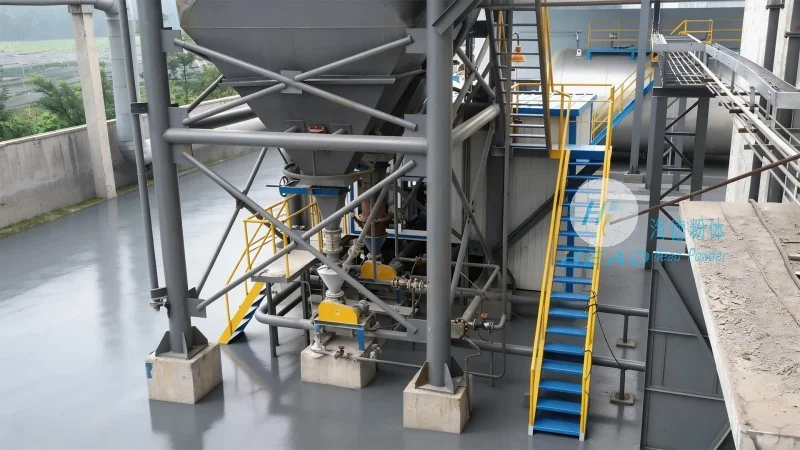
- Non-Contact Handling: The system avoids direct contact between the silica powder and equipment, reducing the risk of contamination and material degradation. This is particularly important for applications where product purity is critical, such as in pharmaceutical or food processing industries.
- Energy Efficiency: Compared to other transport methods like trucks or conveyor belts, pneumatic conveying systems are more energy-efficient, especially for long-distance transport. The use of compressed air is cost-effective and reduces operational costs over time.
- Flexibility and Scalability: The systems can be customized to handle varying volumes and particle sizes of silica powder. They can be scaled up or down to meet the specific needs of different production facilities, making them suitable for both small-scale and large-scale operations.
- Reduced Downtime: The design of the system minimizes the risk of blockages and system failures, reducing downtime and maintenance costs. The use of high-quality materials and components ensures long-term reliability and performance.
Application Examples and Industry Impact
Silica powder pneumatic conveying systems are widely used in various industries, including:
- Construction Materials: In the production of cement, concrete, and other building materials, silica powder is used as a raw material. The pneumatic conveying system ensures efficient transport of silica powder from storage to production lines, improving overall production efficiency.
- Glass Manufacturing: Silica is a primary component in glass production. The system helps in transporting silica sand and other raw materials to the glass furnaces, ensuring a consistent supply and maintaining the quality of the glass products.
- Chemical Processing: In chemical plants, silica powder is used in the production of various chemicals and coatings. The pneumatic conveying system provides a safe and efficient method to handle these powders, reducing the risk of accidents and improving workplace safety.
Conclusion
HeadPowder's silica powder pneumatic conveying systems represent a reliable and efficient solution for the handling of silica powder in industrial applications. By understanding the structural components and operational principles of these systems, users can make informed decisions about implementing this technology in their operations. The systems offer significant advantages in terms of efficiency, cost-effectiveness, and product quality, making them a preferred choice for many industries. With a strong presence in Shandong, China, HeadPowder continues to innovate and provide high-quality solutions to meet the evolving needs of the industrial sector.

 Shandong Headpowder Engineering Co., Ltd.
 156-6277-7102(Manager Zhang)
  0531-83386006
  Zhangqiu District, Jinan City, Shandong Province, China