With more than 10‑year industry experience, Shandong Headpowder delivers full‑service pneumatic‑conveying systems and blowers, undertaking nationwide turn‑key powder‑handling projects.
Shandong HeadPowder Engineering Co., Ltd., a leading provider of material handling solutions, specializes in the design and manufacturing of advanced conveying systems for industrial applications. HeadPowder, based in Shandong, China, has established itself as a trusted partner for businesses seeking efficient and reliable solutions for transporting high-value or challenging materials like silica fume. This article explores the concept of a silica fume material conveying line and delves into the core design principles that underpin such systems.
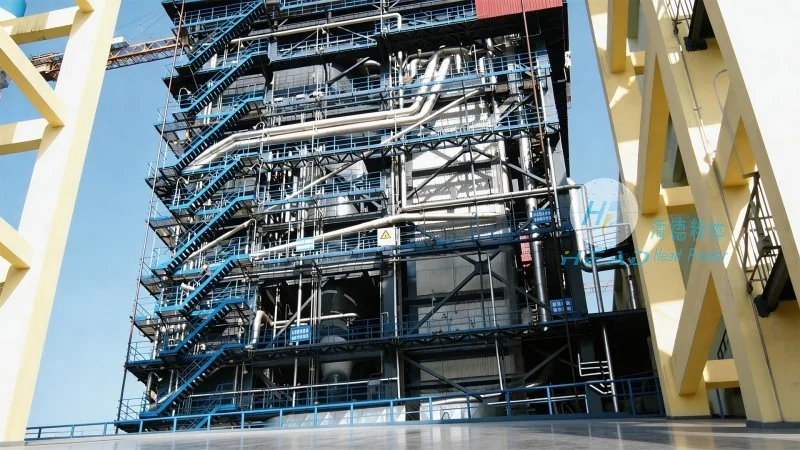
A silica fume material conveying line is a specialized industrial system engineered to transport silica fume—a fine, highly reactive powder commonly used as a supplementary cementitious material in concrete production—from one point to another within a processing facility. Silica fume, also known as microsilica, is characterized by its extremely fine particle size, high surface area, and reactivity, which makes traditional bulk material handling methods challenging. Conventional systems may struggle with issues such as dust generation, material segregation, and blockages, all of which can impact operational efficiency and safety. The silica fume material conveying line addresses these challenges by integrating advanced technology and robust engineering to ensure safe, efficient, and consistent material transport.
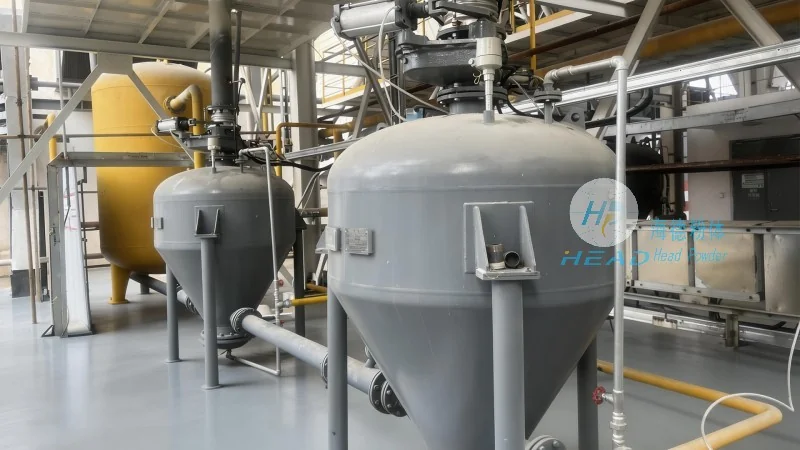
The design of a silica fume material conveying line is guided by several critical principles aimed at optimizing performance, safety, and reliability. These principles are tailored to the unique properties of silica fume and the specific requirements of industrial applications. First, the system must prioritize containment and dust control. Silica fume is a fine powder that can easily become airborne, posing health risks and environmental concerns. Therefore, the conveying line incorporates sealed and enclosed components, such as airtight hoppers, flexible hoses, and dust collection systems, to minimize dust emissions and ensure compliance with occupational health and safety regulations. Second, the design emphasizes material handling efficiency. The line is engineered to handle the high bulk density and flow characteristics of silica fume, often using a combination of mechanical and pneumatic conveying methods. For instance, a screw conveyor may be used for short-distance horizontal transport, while a positive displacement blower or a pressure-type pneumatic conveyor can handle longer vertical or horizontal distances with minimal pressure loss. This hybrid approach ensures optimal throughput and reduces energy consumption. Third, the system incorporates robust control and monitoring capabilities. Modern silica fume conveying lines are equipped with programmable logic controllers (PLCs) and sensors that monitor parameters like pressure, flow rate, and temperature in real-time. This allows for automated operation, remote monitoring, and quick response to any deviations or malfunctions, enhancing overall system reliability and reducing downtime. Fourth, the design considers material compatibility and durability. Silica fume is highly corrosive and abrasive, which can degrade conventional materials over time. The conveying line is constructed using high-quality, corrosion-resistant materials, such as stainless steel or specialized alloys, to withstand the harsh conditions and extend the service life of the equipment. Additionally, components like bearings and seals are selected to minimize wear and tear, ensuring long-term performance.
The silica fume material conveying line finds widespread application in various industries, particularly in the construction and cement sectors. Its primary role is to facilitate the integration of silica fume into concrete production processes, where it enhances the strength, durability, and resistance to chemical attack of the final product. In addition to construction, the line is also used in the production of refractory materials, coatings, and other industrial products that require high-quality silica fume. The benefits of implementing such a system are multifaceted. From an operational perspective, the conveying line significantly improves material handling efficiency, reducing labor costs and minimizing the risk of material loss or contamination. It also enhances workplace safety by eliminating manual handling of silica fume, which can cause respiratory issues and other health hazards. Furthermore, the system's automated control features contribute to consistent product quality and reduced variability in the final output. From an environmental standpoint, the sealed design of the conveying line minimizes dust emissions, contributing to cleaner air and compliance with environmental regulations. Overall, the silica fume material conveying line represents a critical investment for businesses seeking to optimize their material handling processes while maintaining high standards of safety and sustainability.
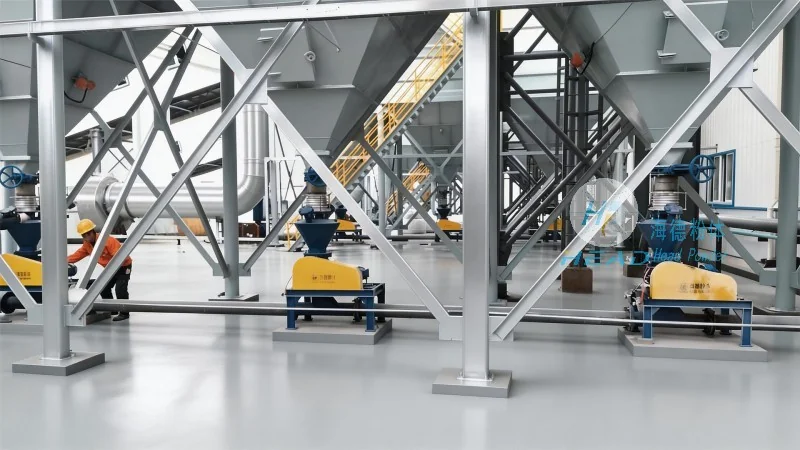
In summary, the silica fume material conveying line is a sophisticated industrial system designed to address the unique challenges of transporting silica fume. Its design is rooted in principles of containment, efficiency, control, and durability, ensuring that the material is handled safely and effectively. As a leading manufacturer, Shandong HeadPowder Engineering Co., Ltd. leverages its expertise to develop customized conveying solutions that meet the specific needs of clients, whether in construction, manufacturing, or other industries. By investing in a well-designed silica fume material conveying line, businesses can enhance operational performance, improve safety, and achieve greater sustainability in their material handling practices.

 Shandong Headpowder Engineering Co., Ltd.
 156-6277-7102(Manager Zhang)
  0531-83386006
  Zhangqiu District, Jinan City, Shandong Province, China
telephone
WeChatconsult
top