With more than 10‑year industry experience, Shandong Headpowder delivers full‑service pneumatic‑conveying systems and blowers, undertaking nationwide turn‑key powder‑handling projects.
For industries dealing with graphite powder, efficient material handling is crucial. Pneumatic conveying systems offer a reliable solution for transporting graphite powder from one location to another. This article provides an overview of pneumatic conveying systems, focusing on their application in graphite powder handling and the fundamental principles behind their operation.
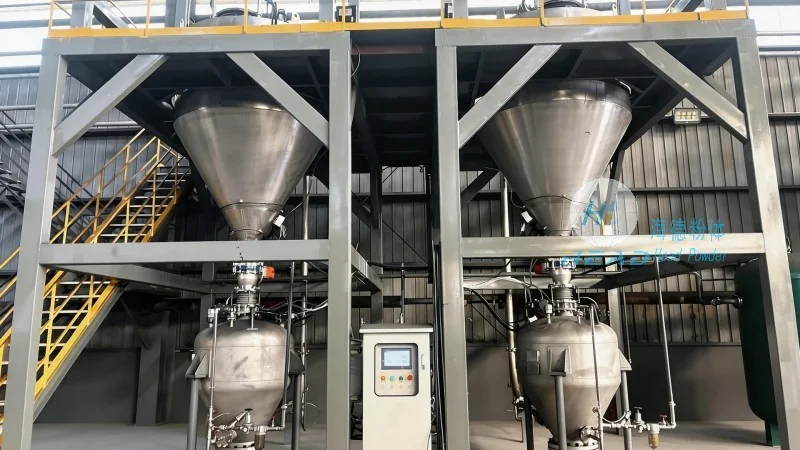
Headpowder, a leading provider in the field, specializes in engineering and manufacturing pneumatic conveying solutions tailored to the unique needs of graphite powder applications. With a strong presence in China, particularly in Shandong, the company combines expertise and innovation to deliver high-performance systems that ensure safe and efficient material transport.
Pneumatic conveying, also known as pneumatic transport, is a method of moving bulk materials like graphite powder through a pipeline using pressurized air or vacuum. This technology eliminates the need for mechanical components such as belts or buckets, making it ideal for handling delicate or abrasive materials like graphite powder, which can be easily damaged by mechanical contact.
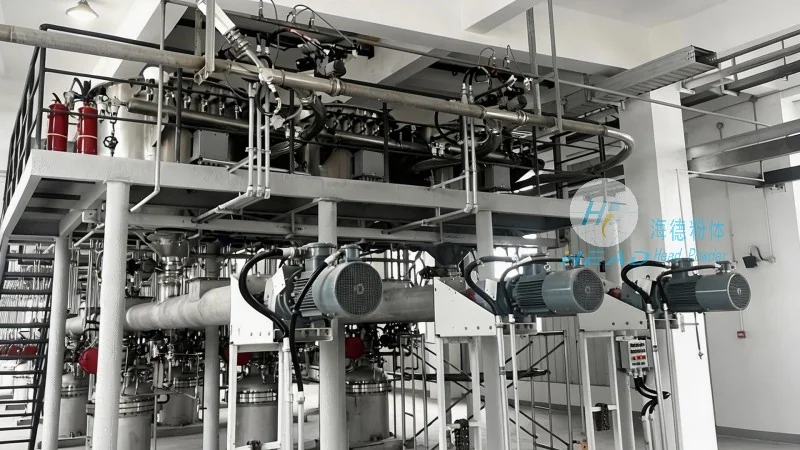
There are two primary types of pneumatic conveying systems: suction (or vacuum) systems and pressure systems. Suction systems use a vacuum to draw material from a source, such as a hopper or storage bin, into the conveying line. This method is suitable for short to medium distances and when the material is already in a loose state. Pressure systems, on the other hand, use compressed air to push material through the pipeline. These systems are ideal for longer distances and when the material needs to be transported under pressure to maintain flow.
In a typical pneumatic conveying system for graphite powder, the process begins with the material being fed into a hopper or feeder. The feeder then controls the flow rate of the graphite powder into the conveying line. For suction systems, a vacuum pump creates a negative pressure in the line, drawing the powder from the source and transporting it to the destination. The material is then discharged into a receiver or silo at the end of the line. In pressure systems, a compressor supplies compressed air to the line, pushing the graphite powder through the pipeline. The air and powder mixture travels through the line until it reaches the discharge point, where the air is separated from the powder and the powder is collected.
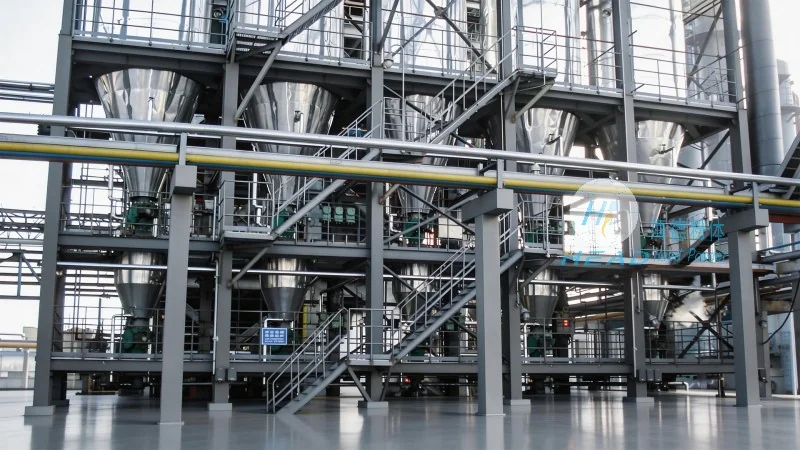
Several key components are essential for the proper operation of a pneumatic conveying system designed for graphite powder. These include the hopper or feeder, which controls the material flow; the conveying line, which transports the powder; the vacuum or pressure pump, which provides the necessary air movement; and the receiver or silo, which stores the material at the destination. Additionally, components such as filters, cyclones, and valves are used to ensure the system operates efficiently and safely, preventing material buildup and maintaining air quality.
Pneumatic conveying systems offer several advantages when handling graphite powder. These include the ability to transport materials in a closed system, which prevents contamination and dust exposure. The system also allows for gentle handling of the powder, reducing the risk of particle breakage or agglomeration. Furthermore, pneumatic conveying can be integrated with other processing equipment, such as mixing or drying units, to create a seamless material handling process. The systems are also relatively compact and can be installed in various configurations, making them suitable for different production environments.
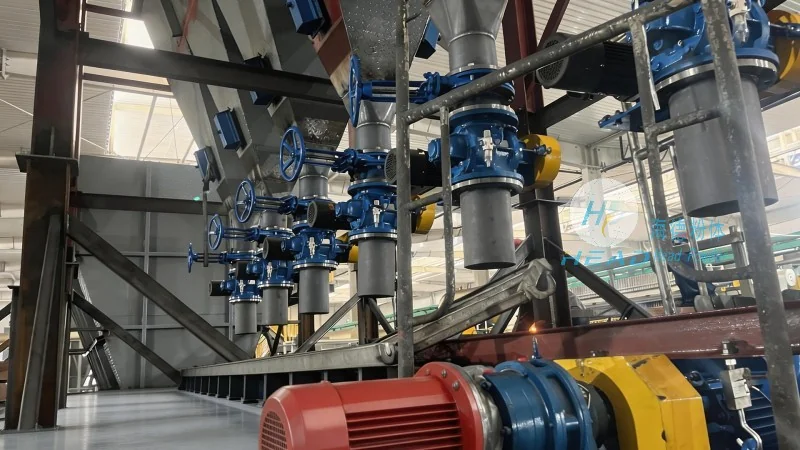
Pneumatic conveying systems are widely used in various applications involving graphite powder. These include the transportation of graphite from storage bins to processing lines, the transfer of graphite between different stages of manufacturing, and the delivery of graphite to end-use applications such as lubricants, refractory materials, and batteries. The versatility of pneumatic conveying makes it an ideal solution for industries that require reliable and efficient material transport for their graphite powder products.
Pneumatic conveying systems provide an effective and efficient method for handling graphite powder, ensuring safe and reliable material transport. With the expertise of companies like Shandong HeadPowder Engineering Co., Ltd., these systems can be customized to meet the specific needs of different applications, offering a cost-effective solution for industries dealing with graphite powder. By understanding the working principles and components of pneumatic conveying, businesses can optimize their material handling processes and improve overall operational efficiency.

 Shandong Headpowder Engineering Co., Ltd.
 156-6277-7102(Manager Zhang)
  0531-83386006
  Zhangqiu District, Jinan City, Shandong Province, China
telephone
WeChatconsult
top