With more than 10‑year industry experience, Shandong Headpowder delivers full‑service pneumatic‑conveying systems and blowers, undertaking nationwide turn‑key powder‑handling projects.
HeadPowder, a leading manufacturer in the field of powder handling technology, specializes in providing advanced solutions for the transportation of bulk materials such as coke. The company, based in Shandong, China, has established itself as a trusted partner for industries requiring efficient and reliable pneumatic conveying systems. This article delves into the structural principles and working mechanisms of coke powder pneumatic conveying equipment, offering a comprehensive overview for professionals in the material handling sector.
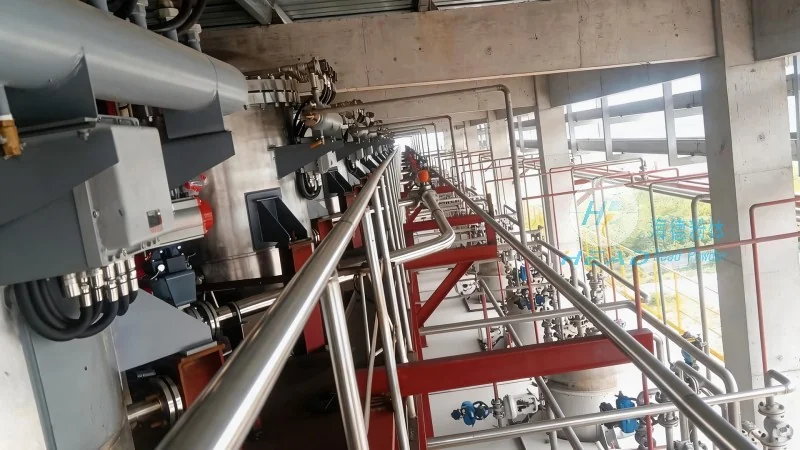
Pneumatic conveying, also known as air conveying, is a method used to transport solid materials like coke through a pipeline using a flow of air or other gas. This technology offers several advantages over traditional mechanical conveying methods, including reduced maintenance, lower energy consumption, and the ability to handle materials that are difficult to transport by other means. The core of a pneumatic conveying system consists of several key components that work in tandem to ensure efficient material transport.
The primary components of a coke powder pneumatic conveying system include the hopper, feeder, conveying line, and receiver. The hopper serves as the storage vessel for the coke, providing a consistent feed to the system. It is typically equipped with a discharge valve or gate to control the flow of material into the feeder. The feeder, often a rotary valve or a screw feeder, regulates the rate at which coke is introduced into the conveying line, ensuring a steady and controlled flow. The conveying line, usually made of stainless steel or other corrosion-resistant materials, is the main channel through which the coke travels. It is designed to withstand the pressure and temperature conditions of the conveying process. The receiver, located at the end of the line, collects the conveyed coke and may include a discharge mechanism to transfer the material to the next processing stage.
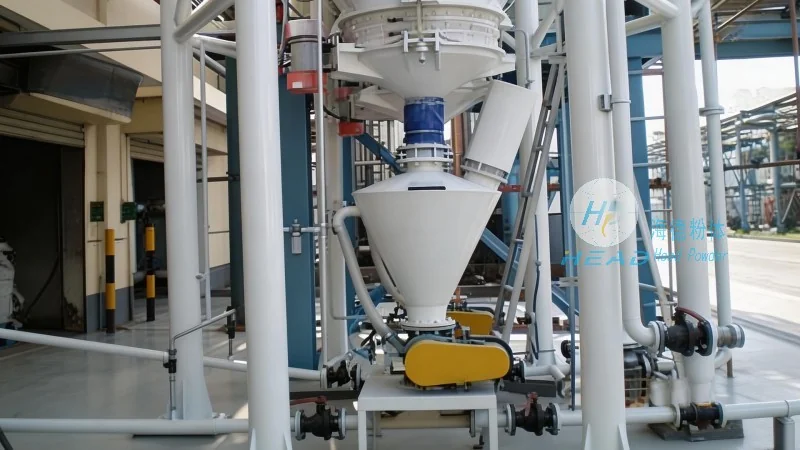
The operation of a coke powder pneumatic conveying system involves the creation of a pressure differential between the hopper and the receiver. In a positive pressure system, air is blown into the conveying line, pushing the coke forward. The air velocity is maintained at a level sufficient to keep the coke particles suspended and moving through the pipeline. In a negative pressure system, air is drawn out of the receiver, creating a vacuum that pulls the coke from the hopper. Both systems rely on the principle of fluidization, where the air flow causes the coke particles to behave like a fluid, allowing them to be transported smoothly. The system's efficiency depends on several factors, including the particle size, density, and moisture content of the coke, as well as the air velocity and pressure settings.
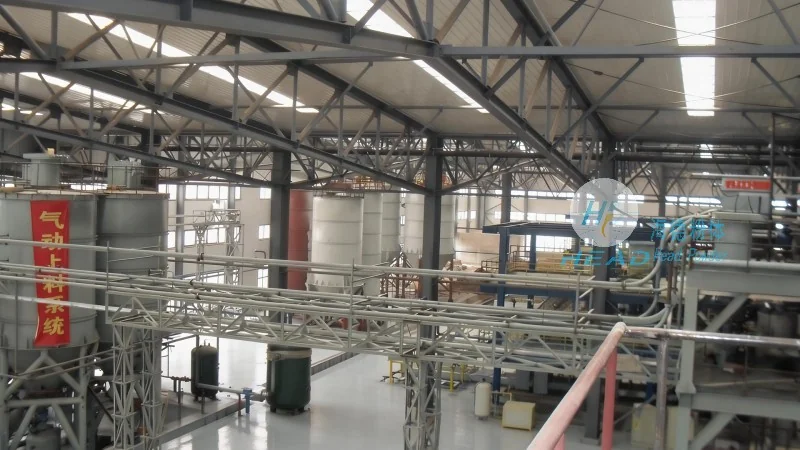
Implementing a pneumatic conveying system for coke offers numerous benefits. First, it minimizes the risk of material contamination, as the system is enclosed and does not require direct contact with the environment. This is particularly important for coke, which may contain impurities or be sensitive to moisture. Second, the system reduces labor costs by automating the material handling process, eliminating the need for manual loading and unloading. Third, it improves safety by eliminating the need for workers to handle heavy or hazardous materials. Additionally, pneumatic conveying systems can be easily integrated with other processing equipment, such as crushers or classifiers, to form a complete production line.
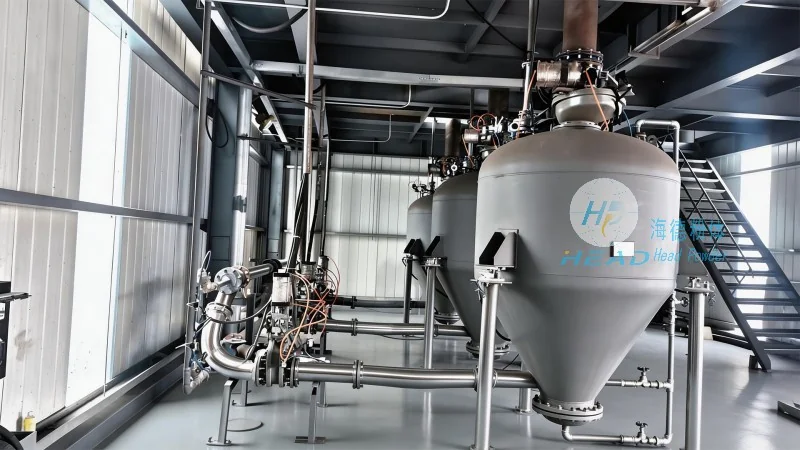
Coke powder pneumatic conveying equipment is widely used in various industries, including steel production, chemical manufacturing, and food processing. In steel plants, coke is used as a fuel in blast furnaces, and efficient conveying is crucial for maintaining production rates. In chemical plants, coke may be used as a raw material for producing carbon black or other chemicals. The food industry may use coke in certain applications, such as as a flavoring agent or a source of carbon. HeadPowder's solutions are tailored to meet the specific needs of these industries, ensuring optimal performance and reliability.
HeadPowder understands that each application has unique requirements, and therefore, offers customized solutions for coke pneumatic conveying. The company works closely with clients to design systems that match their specific material characteristics and operational needs. This includes selecting the appropriate hopper size, feeder type, and conveying line diameter. Regular maintenance is essential to ensure the longevity and efficiency of the system. HeadPowder provides comprehensive maintenance services, including routine inspections, component replacement, and troubleshooting. By adhering to a regular maintenance schedule, users can maximize the lifespan of their equipment and minimize downtime.

 Shandong Headpowder Engineering Co., Ltd.
 156-6277-7102(Manager Zhang)
  0531-83386006
  Zhangqiu District, Jinan City, Shandong Province, China
telephone
WeChatconsult
top