With more than 10‑year industry experience, Shandong Headpowder delivers full‑service pneumatic‑conveying systems and blowers, undertaking nationwide turn‑key powder‑handling projects.
Intelligent ingredient material conveying lines are advanced industrial systems designed to handle, transport, and manage raw materials or ingredients in manufacturing processes. These systems integrate automation, control technology, and intelligent algorithms to optimize material flow, enhance operational efficiency, and ensure precise dosing and delivery. Understanding the core components and design principles of such lines is crucial for industries seeking to streamline production and improve overall process reliability.
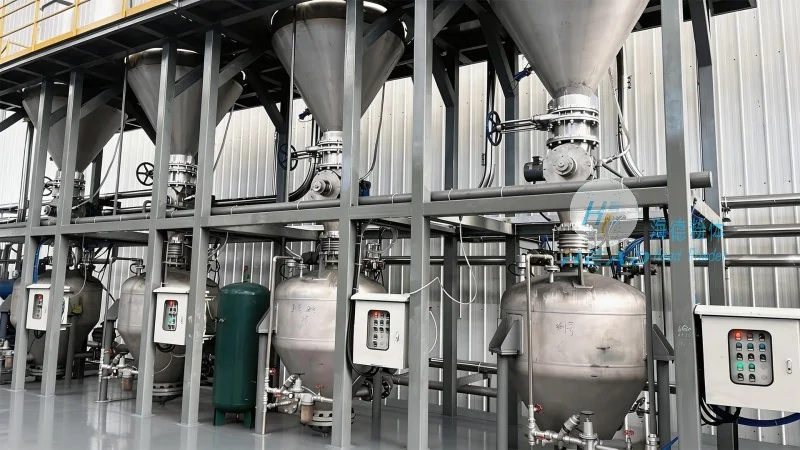
An intelligent ingredient material conveying line serves as a critical component in modern production facilities, particularly in sectors like pharmaceuticals, food processing, and chemical manufacturing. These systems are engineered to handle a wide range of materials, from powders and granules to liquids and bulk solids, with precision and consistency. The primary goal is to ensure that ingredients are transported efficiently from storage to processing units, while maintaining hygiene, safety, and regulatory compliance. By leveraging advanced control systems and sensors, these lines can adapt to varying production demands, reducing downtime and improving overall productivity.
The design of an intelligent ingredient material conveying line typically involves several key components that work in tandem to achieve seamless material handling. These components include: material feeders, which are responsible for accurately measuring and dispensing ingredients; conveyor systems, such as belt conveyors, screw conveyors, or pneumatic conveyors, that transport materials through the production line; and control units equipped with programmable logic controllers (PLCs) and human-machine interfaces (HMIs). Additionally, sensors and monitoring devices are integrated to provide real-time data on material levels, flow rates, and system performance, enabling proactive maintenance and adjustments.
The design principles of an intelligent ingredient material conveying line focus on optimizing material flow, minimizing waste, and enhancing operational efficiency. One of the fundamental principles is modularity, allowing for flexible configurations that can be adjusted to accommodate different production requirements or ingredient types. This modularity enables manufacturers to scale their operations without significant reconfiguration. Another key principle is integration with other production systems, such as batching systems or mixing equipment, to create a cohesive and automated workflow. By integrating these systems, the conveying line can synchronize material delivery with processing steps, reducing bottlenecks and improving throughput.
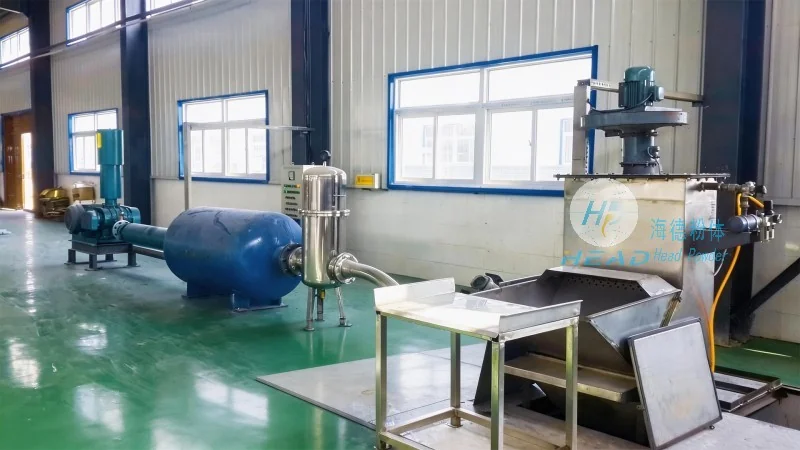
Precision is a critical aspect of intelligent ingredient material conveying lines, as accurate dosing and delivery are essential for maintaining product quality and consistency. Advanced control technologies, including closed-loop systems and feedback mechanisms, ensure that material flow rates are maintained within tight tolerances. For example, in pharmaceutical applications, precise dosing is crucial to meet regulatory standards and ensure the safety and efficacy of final products. Similarly, in food processing, consistent ingredient delivery helps maintain product taste, texture, and nutritional content. The use of high-precision sensors and actuators further enhances control, allowing for real-time adjustments based on process variables.
Automation plays a pivotal role in the operation of intelligent ingredient material conveying lines, reducing human intervention and minimizing errors. These systems can be integrated with enterprise resource planning (ERP) or manufacturing execution systems (MES) to provide a comprehensive view of production activities. This integration allows for better inventory management, real-time tracking of material usage, and improved decision-making. Additionally, the use of robotics and automated guided vehicles (AGVs) can extend the capabilities of the conveying line, enabling the transport of materials over longer distances or in complex layouts. By automating material handling, manufacturers can achieve higher levels of efficiency and reduce labor costs.
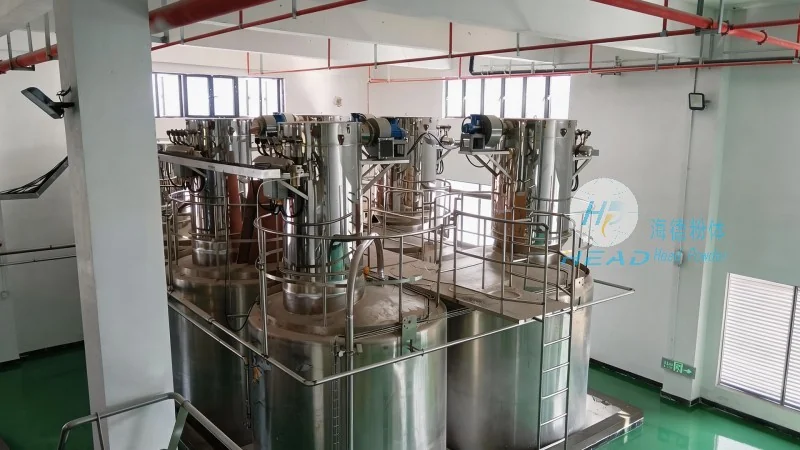
For industries such as pharmaceuticals and food processing, hygiene and compliance with regulatory standards are paramount. The design of intelligent ingredient material conveying lines incorporates features that ensure clean and safe material handling. Materials of construction, such as stainless steel, are commonly used to prevent contamination and facilitate cleaning. Additionally, the design includes features like CIP (clean-in-place) and SIP (sterilize-in-place) capabilities, allowing for thorough sanitation without disassembly. The integration of sealed and airtight components further prevents cross-contamination and maintains product integrity. These design considerations ensure that the conveying line meets the stringent requirements of regulatory bodies and industry standards.
Shandong HeadPowder Engineering Co., Ltd., a leading manufacturer of industrial conveying systems, has successfully implemented intelligent ingredient material conveying lines in pharmaceutical manufacturing facilities. The company's solutions have been deployed in facilities producing active pharmaceutical ingredients (APIs) and finished dosage forms. By integrating advanced control systems and precision dosing mechanisms, these lines have enabled manufacturers to achieve higher batch yields and reduce material waste. For instance, a client in China utilized HeadPowder's conveying line to improve the accuracy of ingredient delivery, resulting in a 5% reduction in batch failures and a 10% increase in production throughput. The success of these implementations highlights the effectiveness of intelligent conveying systems in enhancing operational efficiency and product quality.
Intelligent ingredient material conveying lines represent a significant advancement in industrial automation, offering manufacturers a means to optimize material handling, improve efficiency, and ensure product quality. The design principles, components, and operational features discussed above underscore the importance of these systems in modern production environments. As technology continues to evolve, these lines will likely incorporate more advanced features, such as artificial intelligence and machine learning, to further enhance their capabilities. For industries seeking to stay competitive and meet evolving regulatory requirements, investing in intelligent ingredient material conveying lines is a strategic decision that can yield long-term benefits. Shandong HeadPowder Engineering Co., Ltd. remains committed to providing innovative solutions that meet the diverse needs of its clients, helping them achieve their production goals with precision and reliability.

 Shandong Headpowder Engineering Co., Ltd.
 156-6277-7102(Manager Zhang)
  0531-83386006
  Zhangqiu District, Jinan City, Shandong Province, China
telephone
WeChatconsult
top