With more than 10‑year industry experience, Shandong Headpowder delivers full‑service pneumatic‑conveying systems and blowers, undertaking nationwide turn‑key powder‑handling projects.
Understanding the material handling processes involving Nickel Cobalt Aluminum Lithium (NCAL) materials is crucial for industries that rely on these specialized compounds. As a key component in various high-tech applications, NCAL materials require efficient and reliable handling systems to ensure optimal performance and safety. This article explores the fundamentals of NCAL material handling and the design principles that underpin effective systems.
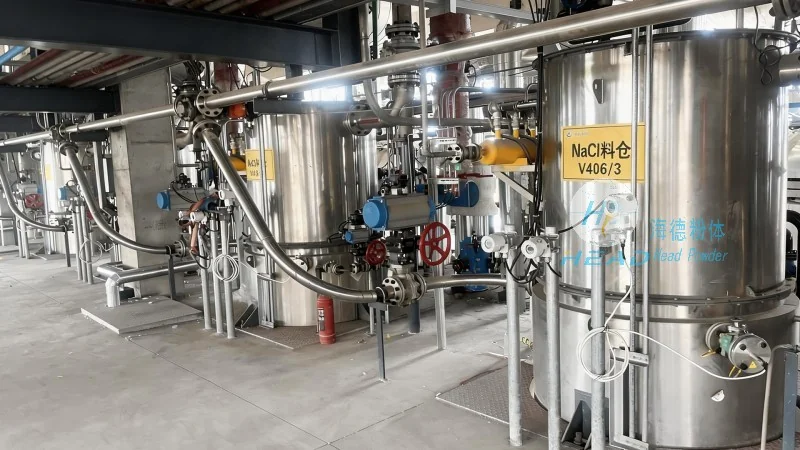
Nickel Cobalt Aluminum Lithium (NCAL) is a type of lithium-ion battery cathode material, widely used in electric vehicles, energy storage systems, and portable electronics. The material's unique chemical composition and physical properties necessitate specialized handling techniques to prevent contamination, degradation, and safety hazards. Effective material handling for NCAL involves a combination of equipment, processes, and safety protocols tailored to the material's characteristics.
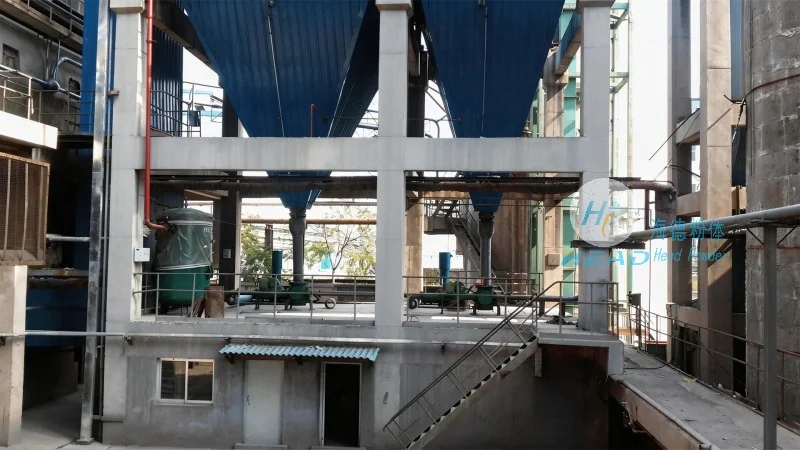
The design of NCAL material handling systems is guided by several critical principles to ensure efficiency, safety, and material integrity. These principles include:
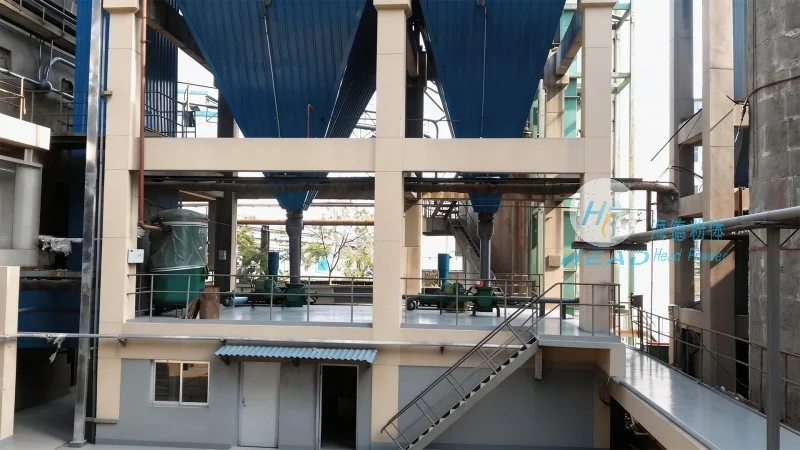
An effective NCAL material handling system typically consists of several interconnected components designed to streamline the material flow from storage to processing. These components may include:
Shandong HeadPowder Engineering Co., Ltd., commonly known as HeadPowder, is a leading provider of specialized material handling solutions for high-purity materials, including NCAL. With a focus on innovation and adherence to industry standards, HeadPowder designs and manufactures systems tailored to the unique requirements of NCAL materials. The company's expertise in material science and engineering ensures that their solutions meet the stringent demands of modern battery manufacturing and energy storage applications.
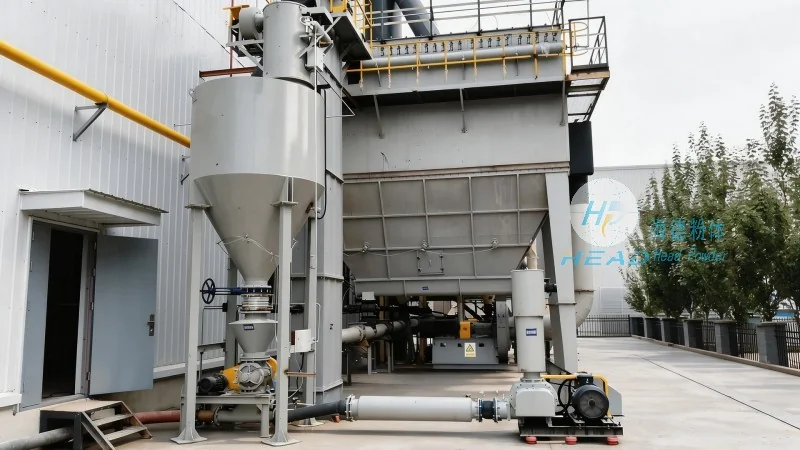
Efficient and safe material handling of Nickel Cobalt Aluminum Lithium materials is essential for maintaining product quality, ensuring operational safety, and optimizing production processes. By adhering to the design principles outlined above and leveraging specialized equipment and expertise, industries can effectively manage NCAL materials while minimizing risks and maximizing performance. As the demand for high-performance lithium-ion batteries continues to grow, the importance of robust material handling systems will only increase, making it a critical area of focus for manufacturers and engineers alike.

 Shandong Headpowder Engineering Co., Ltd.
 156-6277-7102(Manager Zhang)
  0531-83386006
  Zhangqiu District, Jinan City, Shandong Province, China
telephone
WeChatconsult
top