With more than 10‑year industry experience, Shandong Headpowder delivers full‑service pneumatic‑conveying systems and blowers, undertaking nationwide turn‑key powder‑handling projects.
Understanding inorganic salt material handling is crucial for industries that rely on the efficient transport and processing of these materials. This article explores the fundamental concepts of inorganic salt material handling and the key design principles that ensure optimal performance and safety in industrial applications.
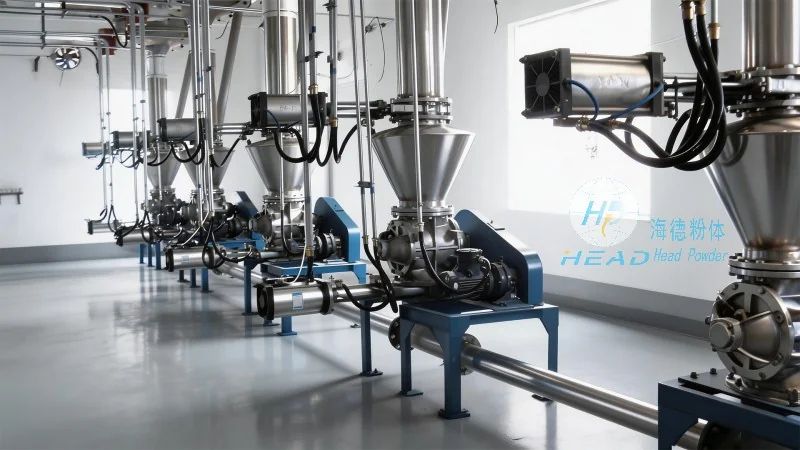
Inorganic salts are widely used in various industries, including chemical manufacturing, food processing, and pharmaceuticals. These materials can range from fine powders to bulk solids, each presenting unique challenges in handling and transportation. Proper material handling is essential to prevent product degradation, ensure consistent quality, and maintain operational efficiency. The process of inorganic salt material handling involves the movement of these materials from storage to processing equipment, often through a series of conveyors, hoppers, and other handling systems.
Shandong HeadPowder Engineering Co., Ltd. is a prominent company specializing in the design and manufacturing of material handling equipment tailored for inorganic salts. With years of experience in the industry, HeadPowder has developed a comprehensive range of solutions that address the specific needs of clients in different sectors. The company's expertise lies in understanding the physical and chemical properties of various inorganic salts, enabling the design of equipment that maximizes efficiency while ensuring compliance with safety standards.
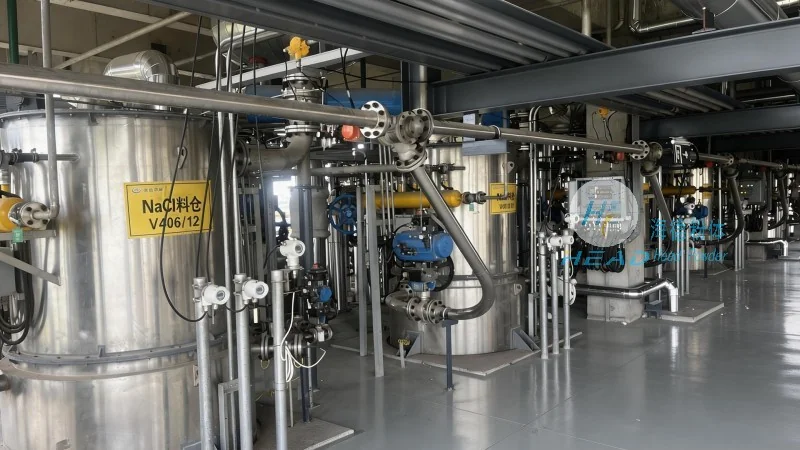
The design of inorganic salt material handling systems follows several critical principles to ensure reliability and performance. First, the equipment must be designed to handle the specific characteristics of the salt, such as its particle size, moisture content, and flowability. This involves selecting appropriate materials for construction, such as corrosion-resistant metals or specialized coatings, to prevent material degradation and equipment wear. Second, the system must be designed for efficient flow and minimal product segregation. This includes the use of proper hopper designs, conveyor angles, and vibration systems to maintain consistent material flow and prevent clogging or bridging.
Third, safety is a paramount consideration in inorganic salt material handling. The design must incorporate features to prevent dust explosions, such as explosion-proof motors and proper ventilation systems. Additionally, the equipment should be designed for easy maintenance and cleaning to ensure long-term operational reliability. The integration of sensors and monitoring systems is also crucial to detect any abnormalities in the material flow or equipment performance, allowing for timely intervention and maintenance.
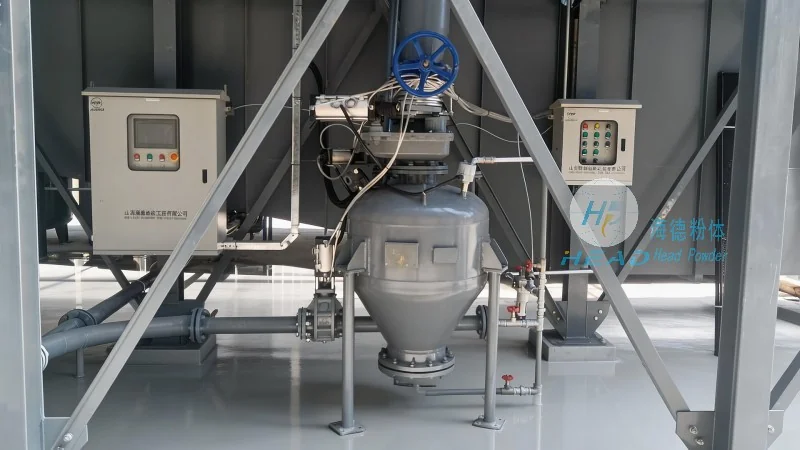
Inorganic salt material handling systems are used in a variety of applications across different industries. In the chemical industry, these systems are used to transport raw materials and finished products, ensuring smooth production processes. In the food industry, specialized equipment is used to handle salt for food processing, maintaining hygiene and product quality. The pharmaceutical industry also relies on precise material handling systems to ensure the purity and consistency of inorganic salts used in drug formulations.
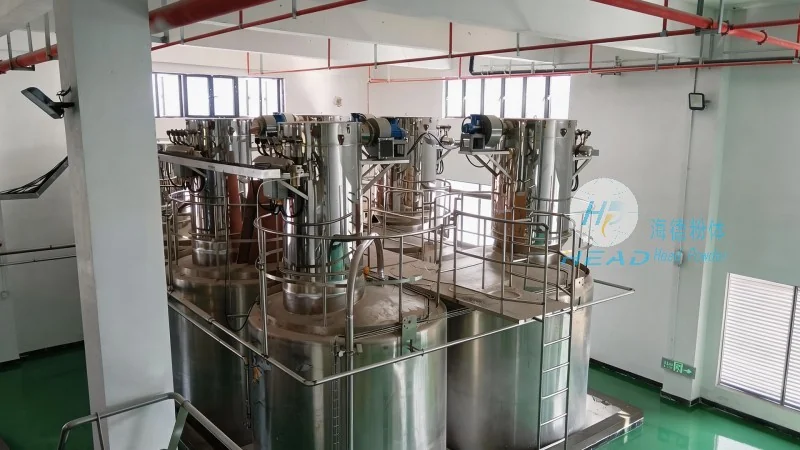
The benefits of using well-designed inorganic salt material handling systems are significant. These systems enhance operational efficiency by reducing downtime and improving throughput. They also contribute to cost savings by minimizing material loss and equipment wear. Furthermore, the use of advanced design principles ensures that the systems are safe and compliant with regulatory standards, protecting both personnel and the environment.
Inorganic salt material handling is a critical aspect of industrial operations, and the design of effective handling systems is essential for success. Companies like Shandong HeadPowder Engineering Co., Ltd. play a vital role in providing tailored solutions that meet the specific needs of clients. By adhering to key design principles and leveraging advanced technology, these systems ensure efficient, safe, and reliable transport of inorganic salts, supporting the growth and success of various industries.

 Shandong Headpowder Engineering Co., Ltd.
 156-6277-7102(Manager Zhang)
  0531-83386006
  Zhangqiu District, Jinan City, Shandong Province, China
telephone
WeChatconsult
top