With more than 10‑year industry experience, Shandong Headpowder delivers full‑service pneumatic‑conveying systems and blowers, undertaking nationwide turn‑key powder‑handling projects.
Desulfurization and denitrification agents are critical components in modern industrial processes, particularly in power generation and chemical manufacturing. These chemical solutions are essential for reducing sulfur dioxide (SO₂) and nitrogen oxides (NOₓ) emissions, which are key contributors to air pollution and environmental degradation. The effective handling of these agents from storage to application is paramount to ensure optimal performance of emission control systems and compliance with environmental regulations. This article delves into the material handling of desulfurization and denitrification agents, outlining the core design principles that underpin efficient and safe operation.
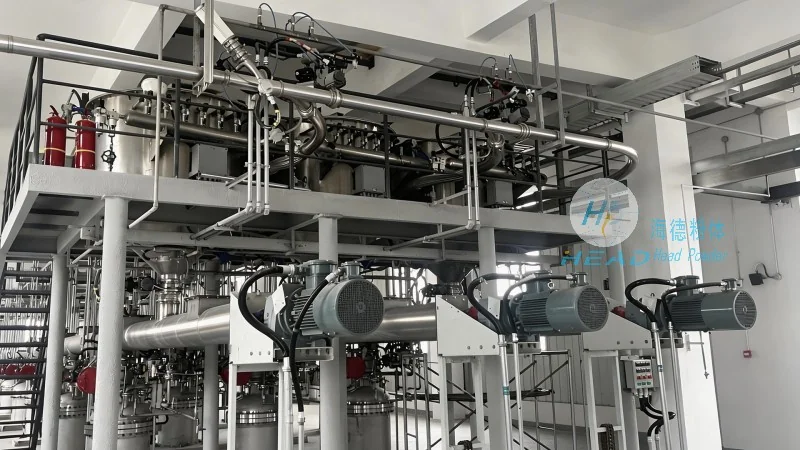
In industrial settings, the material handling of desulfurization and denitrification agents involves the transfer of these chemical solutions from storage vessels to the points of application, such as spray systems in flue gas desulfurization (FGD) or selective catalytic reduction (SCR) units. The process encompasses storage, pumping, piping, and dosing, each step requiring careful consideration of the agents' chemical and physical properties. These agents often exhibit corrosive, viscous, or reactive characteristics, necessitating specialized equipment and design approaches to prevent degradation, leaks, or safety hazards. A well-designed material handling system not only ensures smooth operation but also enhances operational reliability and reduces maintenance costs over the long term.
The design of a material handling system for desulfurization and denitrification agents is guided by several fundamental principles aimed at optimizing performance, safety, and efficiency. First, the system must be tailored to the specific properties of the agents, including their chemical composition, density, viscosity, and potential hazards. For instance, corrosive agents may require materials of construction like stainless steel or specialized alloys for pumps, valves, and pipelines to resist chemical attack. Second, precise flow control is essential to maintain consistent dosing rates, which directly impacts emission reduction effectiveness. This often involves using positive displacement pumps or metering pumps that can deliver exact volumes of the agent as required by the process conditions.
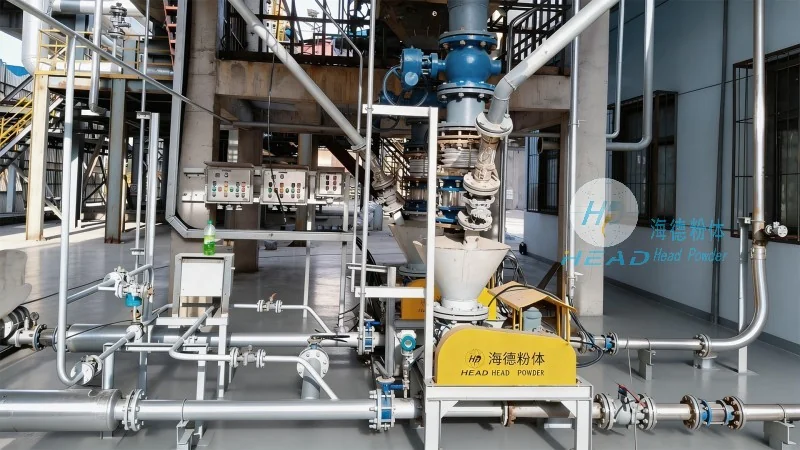
Third, safety and environmental protection are paramount. The design must incorporate robust containment measures, such as secondary containment for storage tanks and leak detection systems for pipelines. Emergency shutdown (ESD) features are also critical to quickly halt the flow of agents in case of system failures or anomalies. Fourth, energy efficiency is a key consideration, as material handling systems can consume significant power. Implementing energy-saving technologies, like variable frequency drives (VFDs) for pumps, can reduce operational costs while maintaining performance. Additionally, the system should be designed for ease of maintenance and inspection to ensure long-term reliability.
A typical material handling system for desulfurization and denitrification agents consists of several interconnected components. The storage phase involves large tanks or silos that hold the bulk of the agent. These tanks are often equipped with agitators to maintain the agent's consistency and prevent sedimentation or solidification. From the storage tanks, the agent is transferred to a dosing system using pumps. The most common types of pumps for this application are centrifugal pumps or diaphragm pumps, selected based on the agent's viscosity and flow rate requirements. The pipeline system connects the storage and dosing units to the point of application, typically a spray system in an FGD or SCR unit.
The dosing system is a critical component, responsible for delivering the exact amount of agent needed to achieve the desired emission reduction. This may involve using flow meters or density sensors to monitor the agent's concentration and adjust the dosing rate accordingly. Control systems, often integrated with the plant's overall process control, manage the operation of the material handling system, ensuring that the agent is delivered at the right time and in the right quantity. Finally, the system includes monitoring and alarm devices to detect any deviations from normal operation, such as pressure drops or temperature changes, which could indicate a problem in the system.
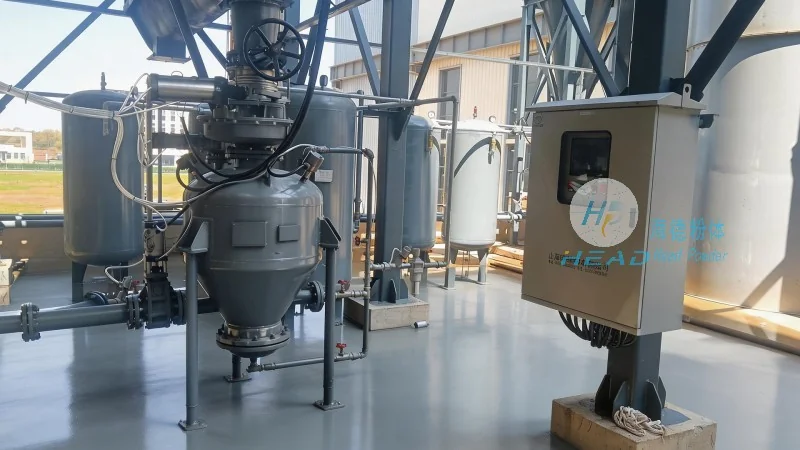
Shandong HeadPowder Engineering Co., Ltd., a leading engineering firm, specializes in designing and implementing material handling systems for desulfurization and denitrification agents. With a focus on innovation and adherence to industry standards, the company offers customized solutions tailored to the specific needs of each client. The company's expertise lies in integrating advanced technologies, such as automated control systems and energy-efficient components, into material handling designs. By leveraging their experience in chemical engineering and process design, Shandong HeadPowder Engineering Co., Ltd. ensures that their systems meet the highest standards of performance, safety, and reliability. The company's commitment to quality and customer satisfaction has made it a trusted partner for industries seeking efficient and effective material handling solutions for their desulfurization and denitrification processes.
Efficient material handling of desulfurization and denitrification agents is essential for the success of emission control systems in industrial applications. By adhering to key design principles, such as tailored system design, precise flow control, and robust safety measures, industries can achieve optimal performance while minimizing risks. The role of companies like Shandong HeadPowder Engineering Co., Ltd. is vital in providing expert engineering solutions that meet these requirements. As environmental regulations continue to evolve, the importance of reliable material handling systems will only grow, making it imperative for industries to invest in well-designed and maintained systems. Ultimately, a well-designed material handling system not only enhances operational efficiency but also contributes to a more sustainable and environmentally responsible industrial practice.

 Shandong Headpowder Engineering Co., Ltd.
 156-6277-7102(Manager Zhang)
  0531-83386006
  Zhangqiu District, Jinan City, Shandong Province, China
telephone
WeChatconsult
top