With more than 10‑year industry experience, Shandong Headpowder delivers full‑service pneumatic‑conveying systems and blowers, undertaking nationwide turn‑key powder‑handling projects.
Understanding the material handling of copper sulfate is crucial for industries that rely on this chemical in their processes. Copper sulfate, a widely used compound in agriculture, water treatment, and industrial applications, requires efficient and safe transportation systems to ensure optimal performance and compliance with safety standards. This article explores the key aspects of copper sulfate material handling, including the design principles that underpin effective systems.
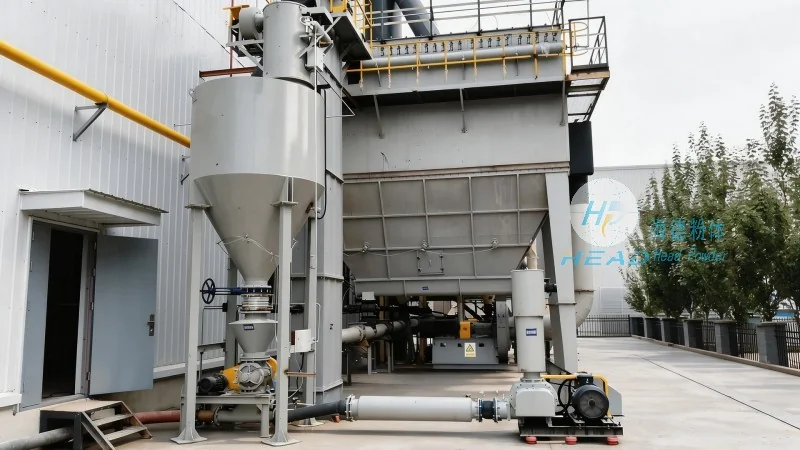
Copper sulfate (CuSO₄) is a blue crystalline solid that serves as a vital chemical in various sectors. In agriculture, it is used as a fungicide and algaecide, while in water treatment, it helps control algae growth and remove impurities. The industrial sector also utilizes it in electroplating, wood preservation, and as a catalyst in chemical reactions. Given its widespread use, the efficient handling of copper sulfate is essential to maintain productivity and safety in operations.
Handling copper sulfate presents unique challenges due to its chemical properties and physical characteristics. The compound is hygroscopic, meaning it can absorb moisture from the air, which may affect its stability and handling. Additionally, copper sulfate can be corrosive to certain materials, requiring specialized equipment to prevent degradation. Another challenge is the need for dust control, as fine particles can pose health risks and environmental concerns. These factors necessitate careful consideration of the design and implementation of material handling systems.
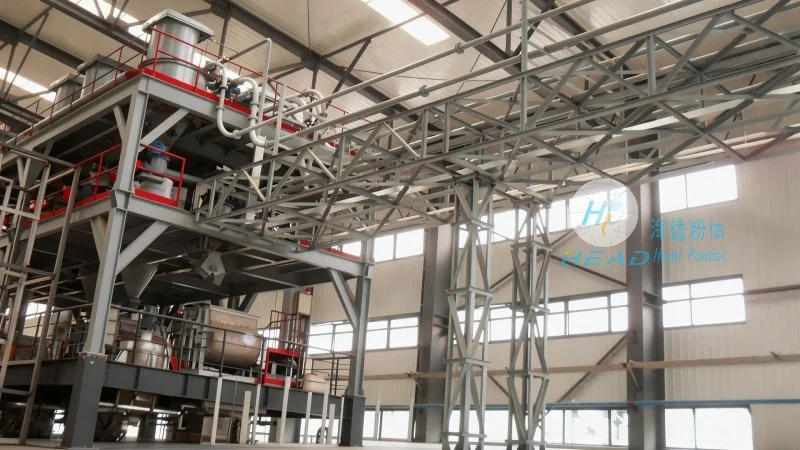
The design of copper sulfate material handling systems must adhere to several critical principles to ensure safety, efficiency, and durability. First, the system should incorporate proper containment measures to prevent spills and leaks, as copper sulfate can be harmful to the environment and human health. This includes using sealed containers and pipelines to minimize exposure. Second, the equipment must be corrosion-resistant, as copper sulfate can degrade metal surfaces over time. Materials such as stainless steel or specialized coatings are often used to protect the handling infrastructure. Third, the system should include effective dust suppression mechanisms, such as enclosures and ventilation systems, to reduce airborne particles and protect workers. Finally, the design must consider the flow rate and capacity of the system to match the production requirements, ensuring that the material is transported without bottlenecks or delays.
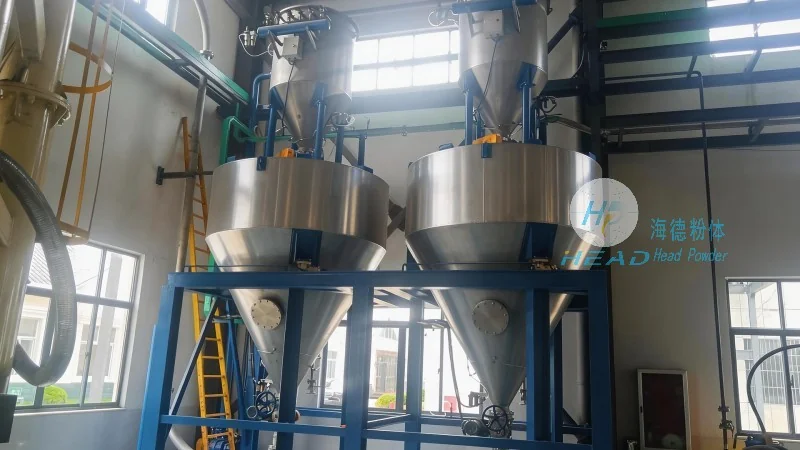
Several types of equipment are commonly used in copper sulfate material handling, each tailored to specific operational needs. Conveyors, such as belt conveyors or screw conveyors, are widely used to transport bulk copper sulfate from storage to processing areas. These systems can handle large volumes efficiently and are designed to minimize dust generation. For smaller quantities or more precise handling, bucket elevators or pneumatic conveying systems may be employed. These systems use air pressure to move the material through pipes, reducing the need for mechanical contact and minimizing contamination risks. Additionally, storage silos and hoppers are used to store copper sulfate, ensuring a steady supply and preventing exposure to the elements. The choice of equipment depends on factors such as the scale of operations, the required flow rate, and the environmental regulations in place.
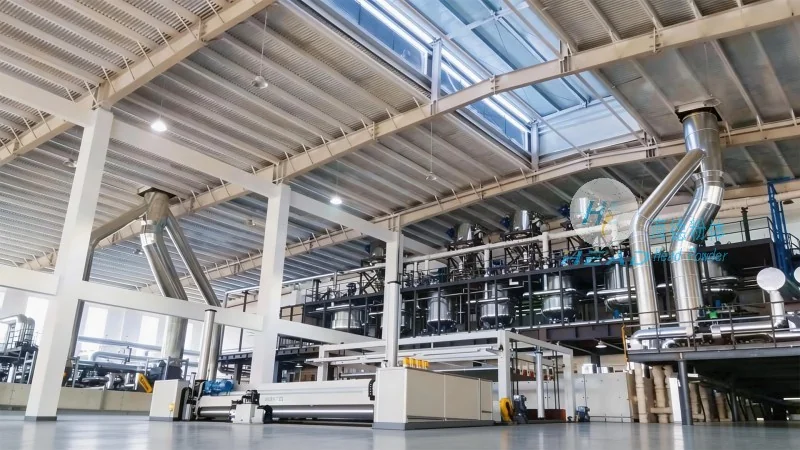
When designing copper sulfate material handling systems, safety and environmental protection are paramount. Copper sulfate is toxic to aquatic life and can cause skin and eye irritation in humans if not handled properly. Therefore, the system must include measures to prevent leaks and spills, such as secondary containment and regular maintenance checks. Personal protective equipment (PPE), including gloves, goggles, and respirators, should be provided to workers handling the material. Additionally, the system should be equipped with dust collection and filtration systems to capture airborne particles and prevent pollution. Proper waste management practices are also essential, as any excess or spent copper sulfate must be disposed of according to regulatory guidelines. By prioritizing safety and environmental considerations, the material handling process can be conducted responsibly and sustainably.
Shandong HeadPowder Engineering Co., Ltd., a leading provider of material handling solutions, has implemented advanced systems for copper sulfate handling in its operations. The company specializes in designing and manufacturing customized equipment tailored to the specific needs of clients. For example, one client required a conveyor system to transport copper sulfate from storage silos to a processing plant. HeadPowder engineers designed a stainless steel screw conveyor with a sealed enclosure to prevent dust and moisture from entering the system. The conveyor was equipped with a dust suppression system and a level sensor to monitor the material flow. This system has significantly improved the efficiency of the client's operations, reducing downtime and improving safety. Another project involved the installation of a pneumatic conveying system for a water treatment facility, where copper sulfate was used to control algae growth. The system was designed to handle fine particles and maintain a consistent flow rate, ensuring that the chemical was delivered to the treatment tanks without clogging or contamination. These case studies demonstrate the effectiveness of HeadPowder's expertise in copper sulfate material handling and the importance of adhering to design principles for optimal results.

 Shandong Headpowder Engineering Co., Ltd.
 156-6277-7102(Manager Zhang)
  0531-83386006
  Zhangqiu District, Jinan City, Shandong Province, China
telephone
WeChatconsult
top