

What is a Long-Distance Material Handling System? What Are Its Design Principles?
Long-distance material handling systems are essential in modern industrial operations, enabling the efficient movement of goods over extended distances with precision and reliability. These systems are critical for optimizing workflow, reducing labor costs, and enhancing overall productivity in various industries such as manufacturing, logistics, and construction. The core of these systems lies in their ability to transport materials from one location to another, often over significant distances, while maintaining the integrity and safety of the transported items.
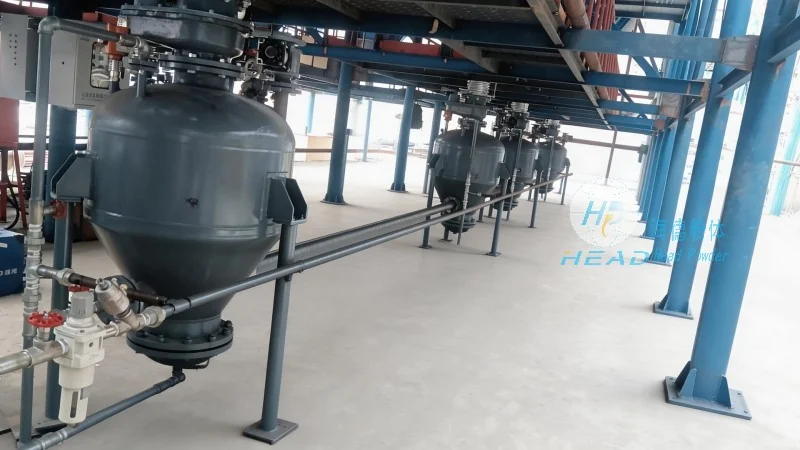
Key Components of Long-Distance Material Handling Systems
At the heart of any long-distance material handling system are several key components that work in tandem to ensure smooth operation. These components include conveyors, hoists, cranes, and automated guided vehicles (AGVs), each serving a specific function in the material transport process. Conveyors, for instance, are used for horizontal or slight incline transport, while hoists and cranes are designed for vertical lifting and elevated transport. The integration of these components allows for a comprehensive material handling solution tailored to the specific needs of the operation.
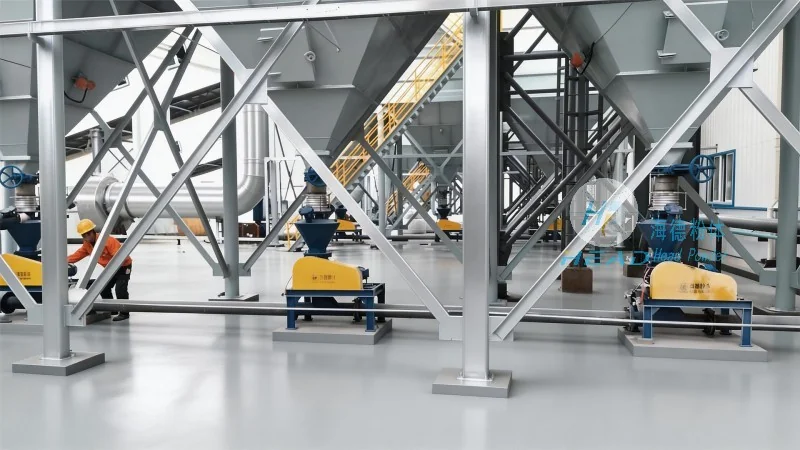
Design Principles for Efficient Long-Distance Material Handling
The design of a long-distance material handling system follows several fundamental principles aimed at maximizing efficiency and minimizing operational costs. First, the system must be tailored to the specific characteristics of the materials being transported, including weight, size, and fragility. This involves selecting appropriate equipment, such as belt conveyors for bulk materials or chain hoists for heavy loads. Second, the system should be designed for scalability, allowing for future expansion as the operational needs evolve. Third, energy efficiency is a critical consideration, with modern systems incorporating advanced technologies to reduce power consumption while maintaining performance. Additionally, safety is paramount, with built-in controls and monitoring systems to prevent accidents and ensure compliance with industry standards.
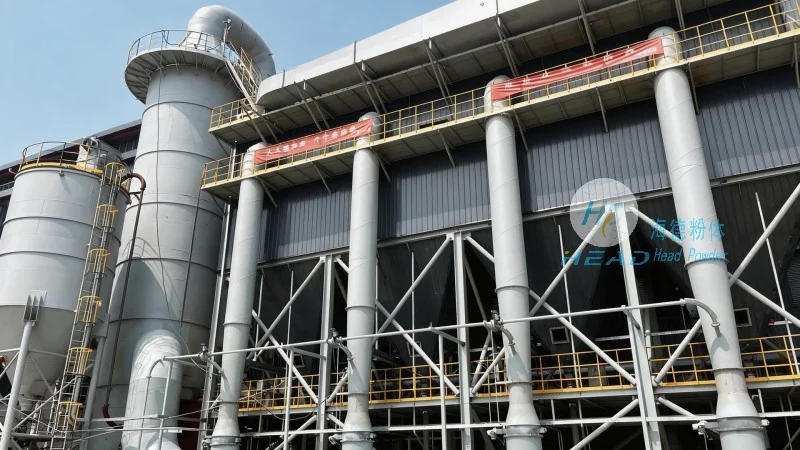
Shandong HeadPowder Engineering Co., Ltd.: Expert in Long-Distance Material Handling Solutions
Shandong HeadPowder Engineering Co., Ltd., a leading provider of material handling solutions, specializes in designing and manufacturing long-distance material handling systems that meet the highest industry standards. With a strong presence in China, particularly in Shandong, the company leverages years of experience and advanced engineering to deliver customized solutions for diverse industrial applications. The company’s expertise spans various sectors, including manufacturing, logistics, and construction, where efficient material transport is crucial for operational success. By focusing on innovation and customer-centric design, Shandong HeadPowder Engineering Co., Ltd. ensures that its systems not only meet but exceed the expectations of clients seeking reliable and efficient material handling solutions.
Applications and Benefits of Long-Distance Material Handling Systems
Long-distance material handling systems find wide applications across multiple industries, offering numerous benefits that enhance operational performance. In manufacturing facilities, these systems facilitate the movement of raw materials to production lines and finished products to storage areas, streamlining the production process. In logistics and warehousing, they enable the efficient transfer of goods between different storage zones, reducing handling time and improving order fulfillment rates. In construction sites, they assist in transporting building materials to elevated positions, improving safety and productivity on site. The benefits of these systems extend beyond operational efficiency, including reduced labor costs, minimized material damage, and enhanced workplace safety. By optimizing material flow, long-distance material handling systems contribute significantly to the overall success and profitability of industrial operations.
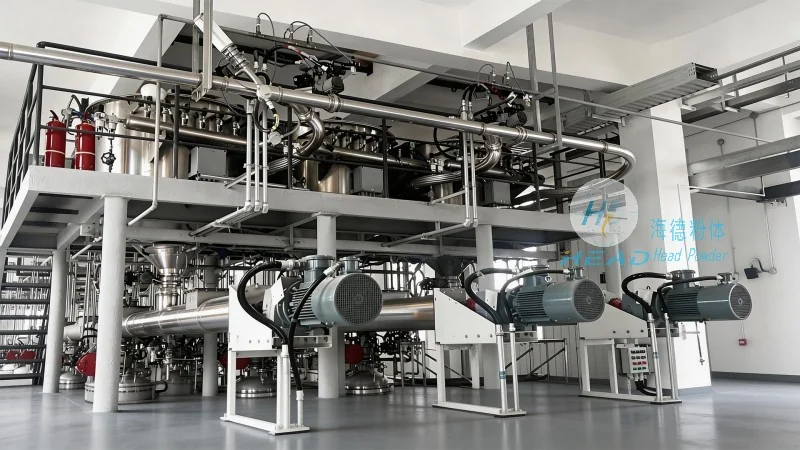
Conclusion: The Role of Design Principles in Modern Material Handling
In conclusion, long-distance material handling systems are indispensable in today’s industrial landscape, and their design principles play a crucial role in their effectiveness. By integrating advanced components, adhering to efficiency and safety standards, and tailoring solutions to specific operational needs, these systems enable industries to achieve higher productivity and operational excellence. As technology continues to advance, the design and implementation of long-distance material handling systems will likely evolve further, incorporating more automation and smart technologies to meet the growing demands of modern industrial operations. For businesses seeking reliable and efficient material handling solutions, partnering with experienced providers like Shandong HeadPowder Engineering Co., Ltd. ensures access to cutting-edge systems that drive operational success.