With more than 10‑year industry experience, Shandong Headpowder delivers full‑service pneumatic‑conveying systems and blowers, undertaking nationwide turn‑key powder‑handling projects.
When discussing industrial material handling, magnesium silicate, a versatile inorganic compound, often plays a crucial role in various processes. Understanding how this material is transported and the design principles behind such systems is essential for optimizing efficiency and safety in industrial operations. This article delves into the specifics of magnesium silicate material handling, exploring its applications, key design considerations, and the components that make these systems effective.
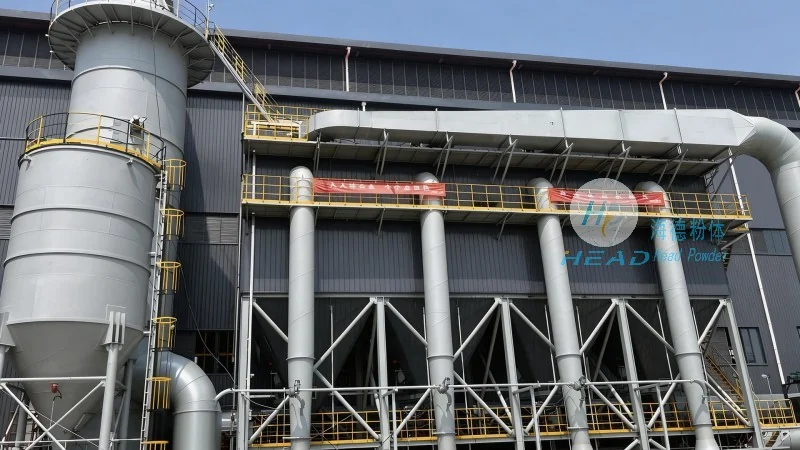
Magnesium silicate material handling refers to the process of transporting, storing, and managing magnesium silicate-based materials, which are commonly used in industries such as construction, agriculture, and manufacturing. These materials can include products like talc, pyrophyllite, and other forms of magnesium silicate minerals. The handling of these materials involves specialized equipment and systems designed to handle their unique physical properties, such as their fine particle size, low bulk density, and tendency to generate dust. The goal of magnesium silicate material handling is to ensure efficient and safe movement of these materials from raw material storage to processing units or end-use applications.
The design of magnesium silicate material handling systems is guided by several fundamental principles aimed at maximizing efficiency, minimizing risks, and ensuring compliance with industry standards. One of the primary principles is the consideration of material characteristics. Since magnesium silicate materials can vary in particle size, moisture content, and flowability, the design must accommodate these variations to prevent issues like clogging, segregation, or material degradation. Engineers must also account for the potential for dust generation, which requires dust control measures to maintain a safe working environment and prevent environmental contamination.
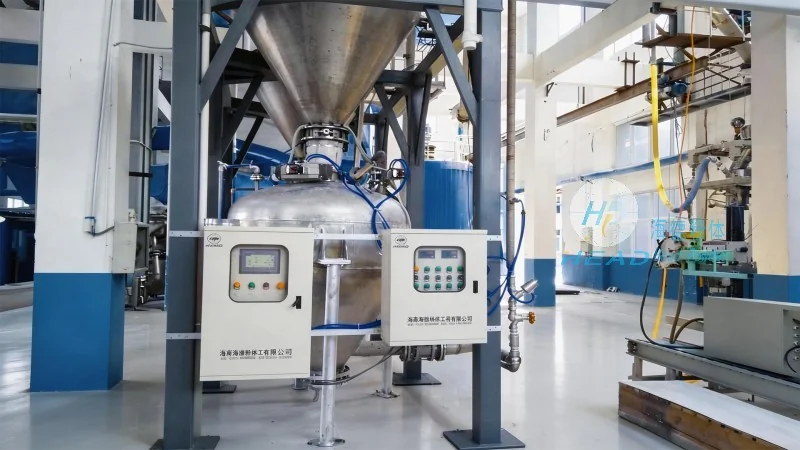
Another critical design principle is the selection of appropriate equipment. For magnesium silicate materials, common handling equipment includes belt conveyors, screw conveyors, and pneumatic conveying systems. The choice of equipment depends on factors such as the material's flowability, the distance to be transported, and the required throughput. For example, belt conveyors are often used for bulk material transport over longer distances, while screw conveyors are suitable for vertical or horizontal transport in confined spaces. Pneumatic conveying systems are ideal for fine powders, as they can transport materials through pipelines without the need for mechanical parts in the line of travel.
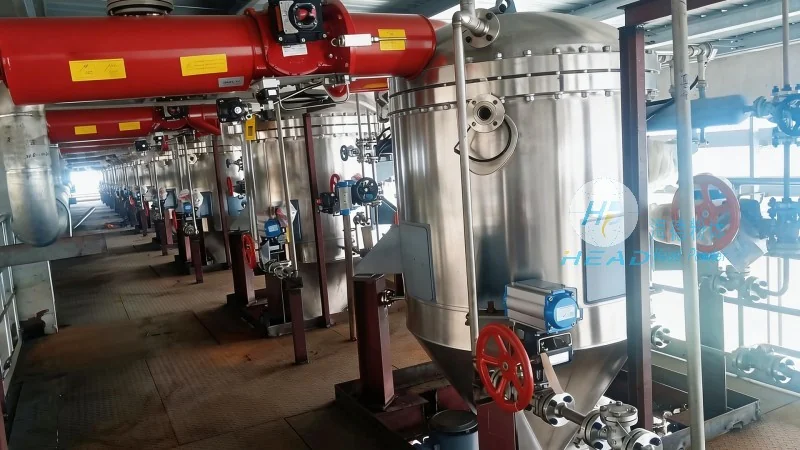
Effective magnesium silicate material handling systems consist of several interconnected components, each playing a vital role in the overall operation. The primary components include feeders, conveyors, storage silos, and control systems. Feeders are responsible for regulating the flow of material from the source to the conveyor, ensuring a consistent and controlled feed rate. Conveyors, as mentioned earlier, transport the material from one location to another. Storage silos are used to store the material temporarily, providing a buffer between production and processing stages. Control systems, often integrated with sensors and automation technology, monitor the system's performance, adjust parameters as needed, and ensure safety by detecting abnormalities or potential hazards.
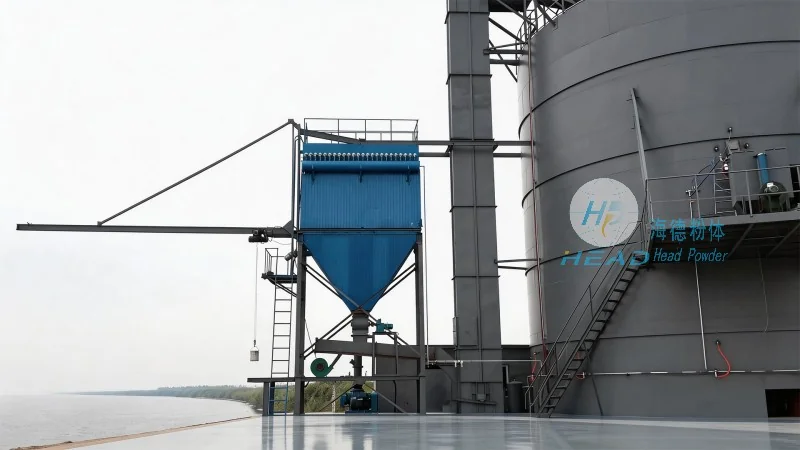
Magnesium silicate material handling systems are widely used across various industries. In the construction industry, for instance, talc and other magnesium silicate products are used as fillers in paints, plastics, and ceramics. The material handling systems in these facilities must be designed to handle the fine powders and ensure they are delivered to production lines without contamination. In the agricultural sector, magnesium silicate is used as a soil amendment or fertilizer, and the handling systems must be capable of processing and packaging these materials efficiently. Additionally, in the manufacturing of cosmetics and pharmaceuticals, magnesium silicate is used as a filler or excipient, requiring precise handling to maintain product quality and safety.
Shandong HeadPowder Engineering Co., Ltd., a leading provider in the field, specializes in designing and manufacturing tailored material handling solutions for magnesium silicate applications. With a deep understanding of the material's properties and industry requirements, the company ensures that its systems are optimized for efficiency, reliability, and safety. HeadPowder's expertise lies in customizing equipment and processes to meet the specific needs of clients, whether it's for bulk production or small-scale processing. The company's commitment to quality and innovation has made it a trusted partner for businesses seeking to enhance their material handling capabilities.

 Shandong Headpowder Engineering Co., Ltd.
 156-6277-7102(Manager Zhang)
  0531-83386006
  Zhangqiu District, Jinan City, Shandong Province, China
telephone
WeChatconsult
top