With more than 10‑year industry experience, Shandong Headpowder delivers full‑service pneumatic‑conveying systems and blowers, undertaking nationwide turn‑key powder‑handling projects.
For industries dealing with bamboo powder, an efficient material handling system is crucial for maintaining productivity and ensuring product quality. A bamboo powder material handling system is a specialized setup designed to transport, store, and manage bamboo powder efficiently. This system integrates various components, including conveyors, storage silos, and control mechanisms, to streamline the entire process from raw material intake to final product delivery. Understanding the design principles behind such systems is essential for optimizing performance and meeting operational demands, as exemplified by the expertise of Shandong HeadPowder Engineering Co., Ltd., a leading provider in the field.
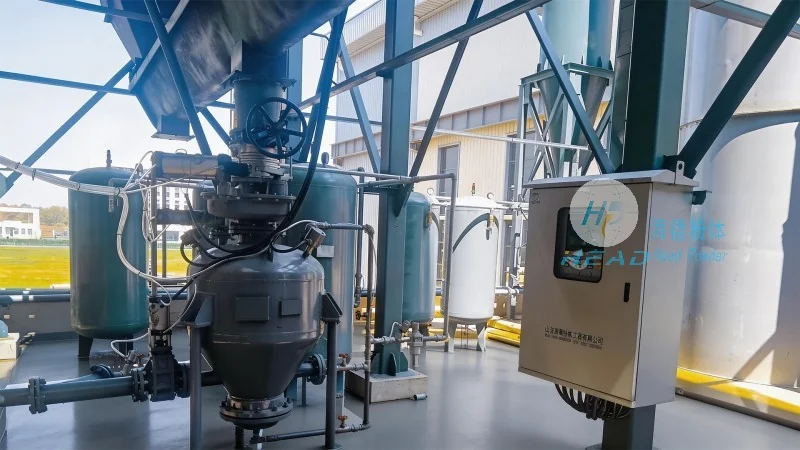
The core of any bamboo powder material handling system lies in its components, each playing a vital role in the overall operation. The primary components typically include: conveyors, which can be belt conveyors, screw conveyors, or pneumatic conveyors, depending on the specific requirements; storage silos or hoppers that provide bulk storage and help regulate material flow; and control systems that manage the entire process, ensuring smooth and safe operation. These components work in tandem to ensure that bamboo powder is handled safely, efficiently, and with minimal loss or contamination.
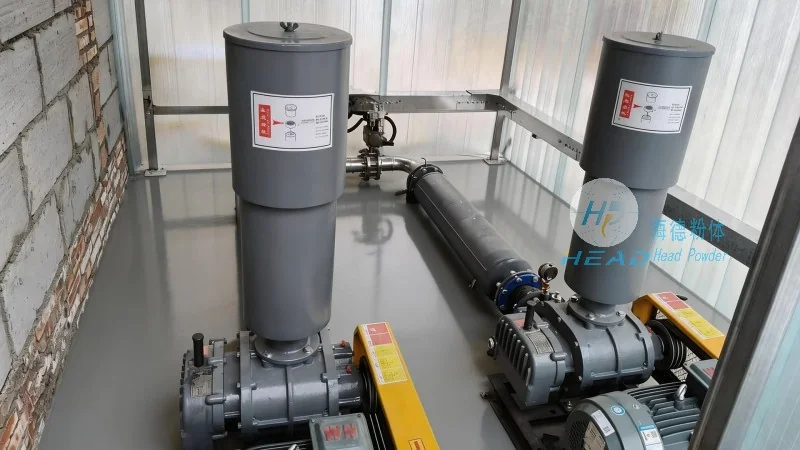
The design of a bamboo powder material handling system follows several key principles to ensure optimal performance. First, material compatibility is a critical factor. The system must be constructed from materials that are resistant to the chemical and physical properties of bamboo powder, such as corrosion-resistant metals or specialized plastics, to prevent degradation and ensure longevity. Second, airflow management is essential, especially when using pneumatic conveyors. Proper airflow design prevents dust accumulation and ensures consistent material transport, reducing the risk of blockages and improving system reliability. Third, scalability is important for adapting to changing production needs. The system should be designed to accommodate future expansion or increased throughput without requiring major overhauls. Finally, safety considerations are paramount. The design must include features like dust suppression systems, emergency stop mechanisms, and proper ventilation to protect operators and maintain a safe working environment.
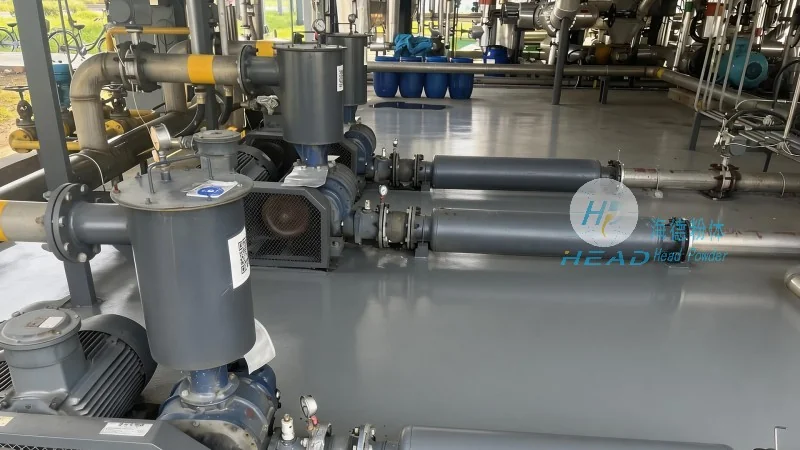
Bamboo powder material handling systems are widely used in various industries, including the paper and pulp industry, where bamboo is processed into pulp, and the food industry, where bamboo powder is used as an ingredient. In the paper industry, these systems help transport bamboo chips to the pulping process, while in the food industry, they ensure that bamboo powder is delivered to production lines without contamination. The efficiency of these systems directly impacts the overall production efficiency and cost-effectiveness of the operation. By integrating advanced design principles, these systems can handle large volumes of bamboo powder while maintaining high standards of quality and safety.
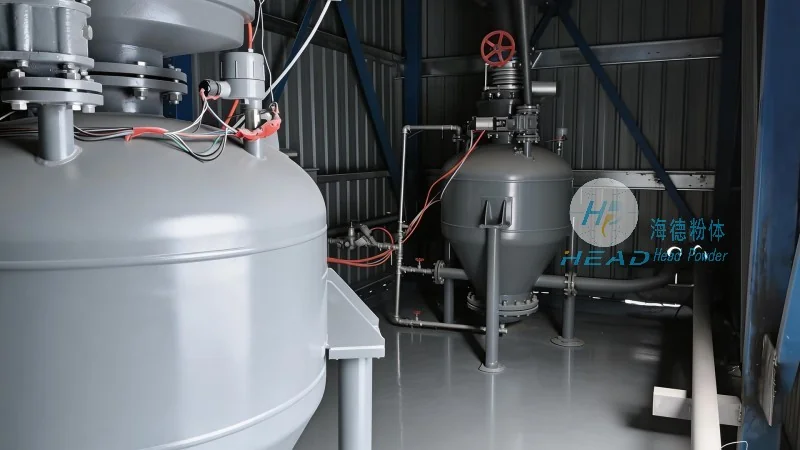
In conclusion, a bamboo powder material handling system is a sophisticated setup that combines various components and design principles to efficiently manage bamboo powder. The key to its success lies in understanding the specific requirements of the application and designing a system that meets those needs. By prioritizing material compatibility, airflow management, scalability, and safety, manufacturers can ensure that their bamboo powder handling systems operate at peak performance, contributing to higher productivity and better product quality. As the demand for bamboo-based products grows, the importance of efficient material handling systems will only increase, making it essential for businesses to invest in well-designed and reliable systems.

 Shandong Headpowder Engineering Co., Ltd.
 156-6277-7102(Manager Zhang)
  0531-83386006
  Zhangqiu District, Jinan City, Shandong Province, China
telephone
WeChatconsult
top