With more than 10‑year industry experience, Shandong Headpowder delivers full‑service pneumatic‑conveying systems and blowers, undertaking nationwide turn‑key powder‑handling projects.
Continuous material feeding conveying systems represent a sophisticated approach to material handling, designed to provide a seamless and uninterrupted flow of bulk materials in industrial settings. These systems are integral to modern manufacturing and processing operations, where efficiency and consistency are paramount. By eliminating the need for manual intervention or frequent stops, these systems enhance productivity and reduce downtime, making them a preferred choice for industries that rely on high-volume material movement.
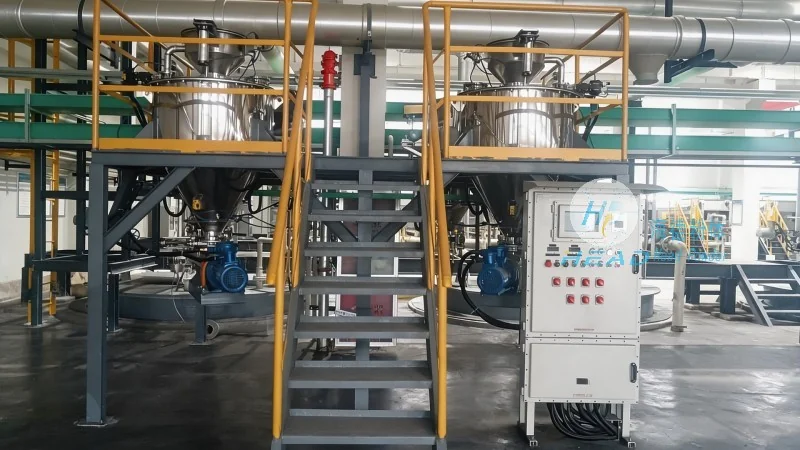
The effectiveness of a continuous material feeding system hinges on its well-designed components, each serving a specific function to ensure optimal performance. The feed hopper, for instance, is a critical component that stores the raw material and regulates its discharge rate. It is typically equipped with a gate or valve that can be adjusted to control the flow, preventing overloading or underfeeding of the conveyor. The conveyor mechanism, which may be a belt conveyor, screw conveyor, or chain conveyor, is responsible for transporting the material from the hopper to the next stage of the process. The choice of conveyor type depends on the material's characteristics, such as its size, shape, and moisture content, as well as the required conveying distance and slope. Additionally, the control system, often integrated with sensors and automation technology, monitors the system's performance and adjusts parameters in real-time to maintain a consistent flow.
The design of a continuous material feeding conveying system is guided by several key principles that prioritize efficiency, reliability, and adaptability. One of the primary principles is the need for uniform material flow, which is achieved through precise control of the feed rate. This is accomplished by using adjustable feed mechanisms, such as variable-speed drives or gate systems, that can be calibrated to match the production rate and material properties. Another critical principle is the integration of safety features, including overload protection, emergency stop buttons, and interlocks, to prevent accidents and equipment damage. These safety measures are essential in environments where heavy machinery and moving parts are present. Furthermore, the system's design must consider the material's physical properties, such as its density, abrasiveness, and tendency to clog, to select appropriate materials for the hopper, conveyor, and other components. For example, a system handling abrasive materials may use stainless steel or wear-resistant coatings to extend the equipment's lifespan.
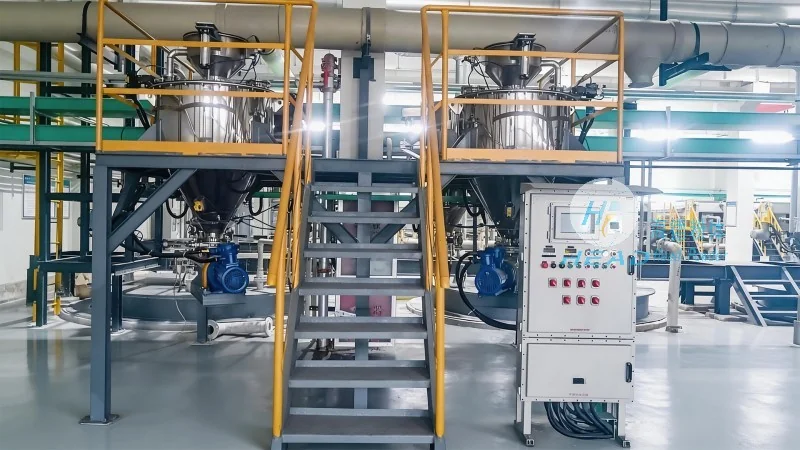
Continuous material feeding conveying systems are versatile and find applications across a wide range of industries, each with unique material handling requirements. In the chemical industry, these systems are used to transport raw chemicals, powders, and granules from storage to processing units, ensuring a steady supply for production lines. In the food and beverage sector, they are employed to handle ingredients like flour, sugar, or spices, maintaining hygiene and preventing contamination. The mining and construction industries also rely heavily on these systems for transporting ores, minerals, gravel, and other bulk materials from extraction sites to processing plants or construction sites. In logistics and warehousing, continuous feeding systems help streamline the movement of goods between storage areas and packaging lines, improving inventory management and reducing handling time.
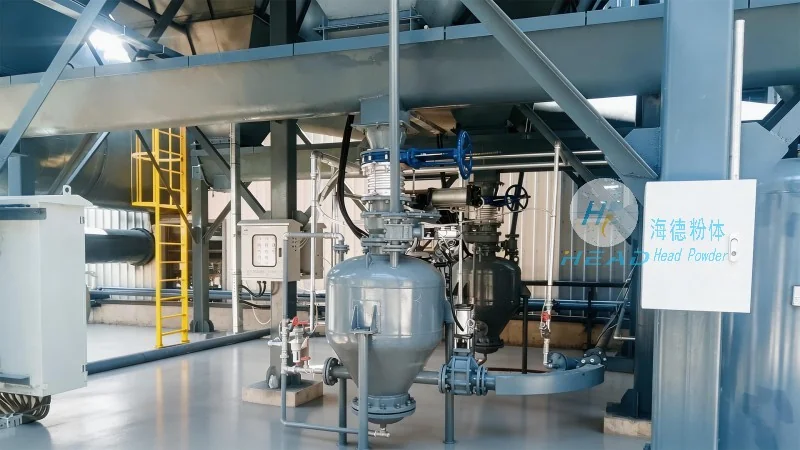
Given the diverse nature of industrial operations, continuous material feeding conveying systems are often customized to meet specific client requirements. Companies like Shandong HeadPowder Engineering Co., Ltd., a leading manufacturer based in China, specialize in designing and manufacturing tailored solutions that address the unique challenges of each client. These systems can be scaled to accommodate different production volumes, from small-scale operations to large-scale industrial facilities. Customization may involve adjusting the conveyor length, modifying the feed hopper size, or integrating additional features like material sorting, screening, or quality control mechanisms. For instance, a system for a food processing plant may include a cleaning mechanism to maintain hygiene standards, while a system for a mining operation may incorporate heavy-duty components to withstand harsh environmental conditions.
The reliability and longevity of a continuous material feeding conveying system depend significantly on regular maintenance and proper upkeep. This includes routine inspections of conveyor belts, bearings, and drive systems, as well as cleaning and lubrication of moving parts. Preventive maintenance, such as replacing worn-out components before they fail, can extend the system's lifespan and reduce unexpected downtime. Additionally, using high-quality materials and components, as offered by manufacturers like Shandong HeadPowder Engineering Co., Ltd., ensures that the system can withstand the demands of continuous operation and perform reliably over time. Proper maintenance also helps identify potential issues early, allowing for timely repairs and minimizing the impact on production. For example, regular checks of the conveyor belt tension and alignment can prevent belt slippage or misalignment, which can lead to material spillage and equipment damage.

 Shandong Headpowder Engineering Co., Ltd.
 156-6277-7102(Manager Zhang)
  0531-83386006
  Zhangqiu District, Jinan City, Shandong Province, China
telephone
WeChatconsult
top