

[Pneumatic Conveying in the Bulk Handling of Sodium Sulfate Powder]
For industries dealing with bulk materials like sodium sulfate powder, efficient and reliable material handling is crucial. Pneumatic conveying systems offer a versatile solution that addresses the unique challenges associated with transporting such powders over varying distances and in different operational environments. This article explores the application of pneumatic conveying in the bulk handling of sodium sulfate powder, highlighting the technical aspects, benefits, and practical considerations for implementing such systems.
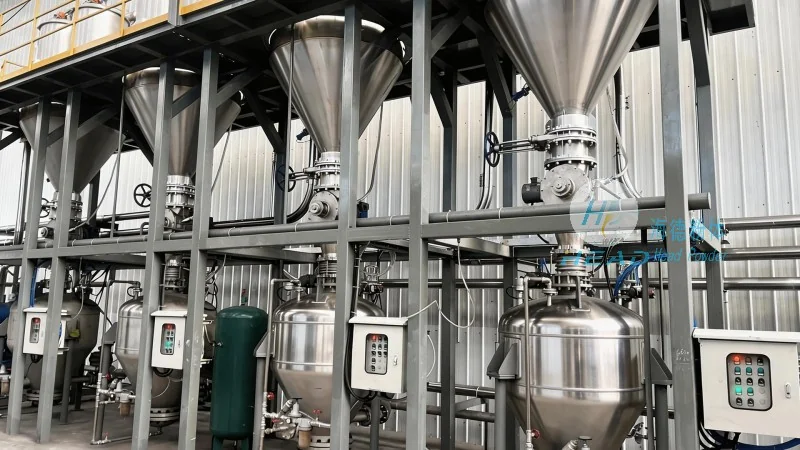
Introduction to Pneumatic Conveying Systems
Pneumatic conveying, also known as air conveying, is a method of transporting bulk materials by using a stream of pressurized or vacuum air to move particles through a pipeline. This technology is widely used in various industries, including chemical processing, food processing, and pharmaceuticals, due to its ability to handle a wide range of materials, including fine powders like sodium sulfate. The system typically consists of a material feed hopper, a conveying line, a receiver, and a control system that regulates the air flow and material transport.
Key Features of Pneumatic Conveying for Sodium Sulfate Powder
When applied to sodium sulfate powder, pneumatic conveying systems exhibit several key features that make them suitable for this application. First, the system can handle fine powders without the need for excessive mechanical agitation, which helps maintain the integrity of the material and prevents agglomeration. Second, the conveying process is relatively gentle, reducing the risk of particle degradation or contamination, which is critical for maintaining the quality of sodium sulfate, especially when it is used in applications like glass manufacturing or as a raw material in chemical processes.
Third, pneumatic conveying offers flexibility in terms of layout and distance. The system can be configured to transport sodium sulfate from a storage silo to processing equipment, or between different production lines, with minimal infrastructure changes. This adaptability is particularly valuable in industrial settings where space is limited or where production requirements may change over time. Additionally, the system can be designed to operate under vacuum or pressure, allowing for both forward and reverse flow, which enhances operational flexibility and enables the recovery of material from the conveying line.
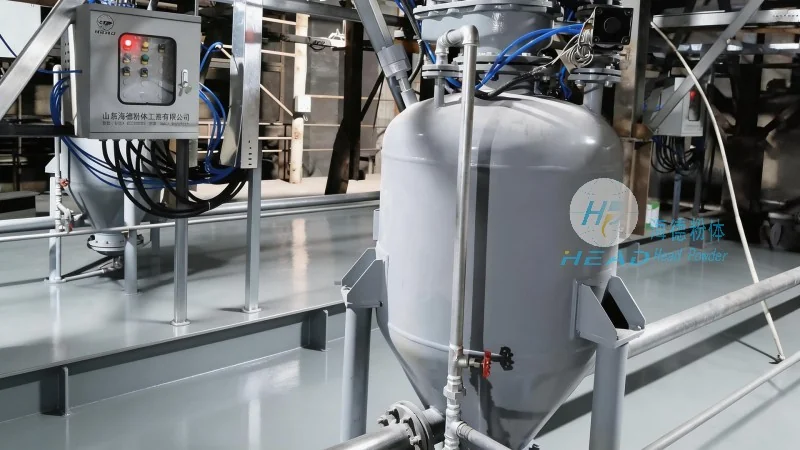
Benefits of Using Pneumatic Conveying for Sodium Sulfate Handling
Implementing a pneumatic conveying system for sodium sulfate powder offers numerous benefits that contribute to improved operational efficiency and cost savings. One of the primary advantages is the reduction in labor costs associated with manual handling and loading of bulk materials. By automating the conveying process, companies can minimize the need for manual labor, thereby reducing labor-related expenses and improving workplace safety.
Another significant benefit is the improvement in material handling efficiency. Pneumatic conveying systems can transport sodium sulfate at high speeds and with consistent flow rates, ensuring that production lines operate smoothly without interruptions caused by material shortages or delays. This leads to increased productivity and reduced downtime, which are critical factors in maintaining competitiveness in the market.
Furthermore, pneumatic conveying systems contribute to better material quality control. By avoiding direct contact with mechanical components, the system minimizes the risk of contamination from equipment or other materials. This is particularly important for sodium sulfate, which is often used in applications where purity is essential, such as in the production of detergents or as a component in pharmaceutical formulations. The system also reduces the risk of dust exposure, improving workplace safety and compliance with environmental regulations.
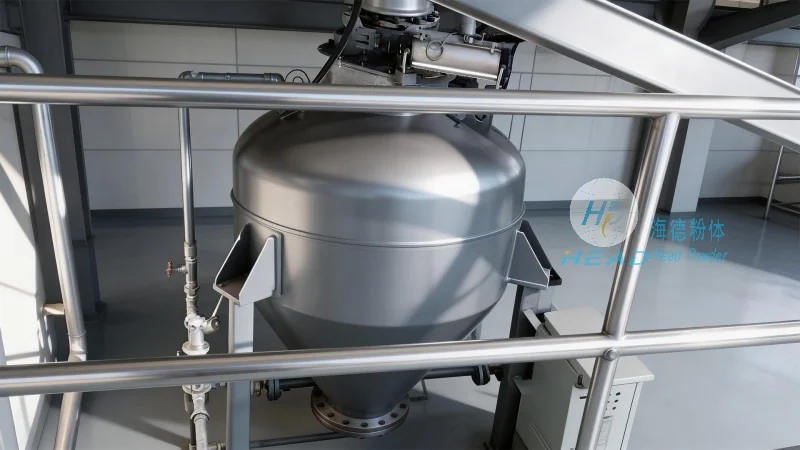
Technical Considerations for Pneumatic Conveying Systems
When designing a pneumatic conveying system for sodium sulfate powder, several technical considerations must be taken into account to ensure optimal performance and longevity. First, the selection of the appropriate conveying type is crucial. For sodium sulfate, which is a fine powder with a relatively low bulk density, a pressure system is often preferred over a vacuum system. Pressure systems use compressed air to push the material through the pipeline, providing better control over flow rates and preventing the material from settling in the line.
Second, the design of the material feed and discharge systems is critical. The feed hopper must be designed to handle the flow characteristics of sodium sulfate powder, ensuring that the material is fed consistently into the conveying line without causing blockages or uneven flow. The discharge system, typically a receiver or a silo, must be equipped with proper sealing and venting mechanisms to prevent material loss and maintain pressure stability. Additionally, the use of appropriate materials for the conveying line, such as stainless steel or special plastic coatings, is essential to prevent corrosion and material buildup, which can affect the system's performance over time.
Third, the control system plays a vital role in the operation of the pneumatic conveying system. Modern control systems use sensors and automation to monitor the flow rate, pressure, and temperature of the material and air, ensuring that the system operates within optimal parameters. This not only improves efficiency but also allows for real-time adjustments to maintain consistent performance, even when the material characteristics or production demands change.
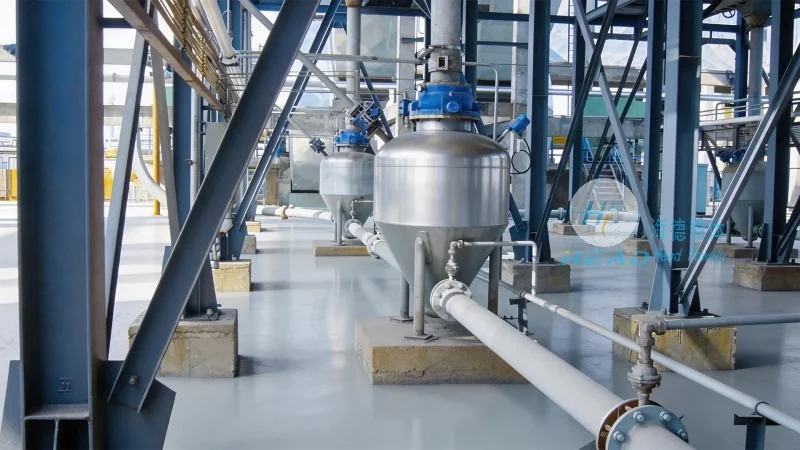
Case Study: Application in a Sodium Sulfate Production Facility
Shandong HeadPowder Engineering Co., Ltd., a leading provider of bulk material handling solutions, has successfully implemented a pneumatic conveying system for a sodium sulfate production facility. The system was designed to transport sodium sulfate from a storage silo to a processing line, covering a distance of approximately 200 meters. The system uses a pressure conveying method with a capacity of 10 tons per hour, ensuring that the production line operates continuously without interruptions.
The implementation of the system resulted in significant improvements in operational efficiency. The facility reported a 20% reduction in labor costs associated with manual material handling, as well as a 15% increase in production output due to reduced downtime. Additionally, the system helped maintain the quality of the sodium sulfate, with no reported cases of contamination or degradation during the conveying process. The success of this project highlights the effectiveness of pneumatic conveying systems in handling sodium sulfate powder and the expertise of Shandong HeadPowder Engineering Co., Ltd. in designing and implementing such solutions.
Conclusion and Future Outlook
Pneumatic conveying systems offer a highly effective and efficient solution for the bulk handling of sodium sulfate powder, providing numerous benefits including improved operational efficiency, reduced labor costs, and better material quality control. As industries continue to seek more reliable and cost-effective material handling solutions, the adoption of pneumatic conveying technology is expected to grow. Shandong HeadPowder Engineering Co., Ltd. remains at the forefront of this technology, providing customized solutions that meet the specific needs of clients and contribute to their success in the market.