With more than 10‑year industry experience, Shandong Headpowder delivers full‑service pneumatic‑conveying systems and blowers, undertaking nationwide turn‑key powder‑handling projects.
Lightweight aggregate material handling systems are specialized equipment and processes designed to transport, store, and manage lightweight aggregates, such as expanded clay, perlite, or vermiculite. These materials are characterized by their low density and high porosity, making them ideal for construction, insulation, and other industrial applications. The efficient handling of these materials is crucial for optimizing production workflows and ensuring product quality.
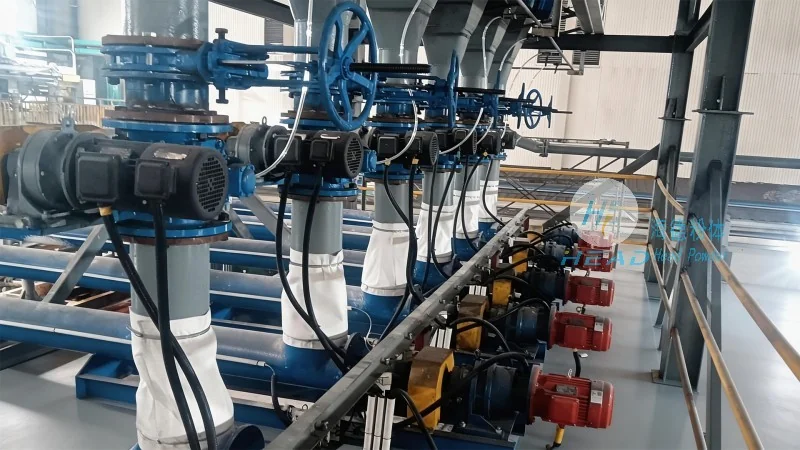
Effective lightweight aggregate material handling typically involves several key components that work in concert to ensure smooth operation. These include feeders, conveyors, storage silos, and discharge mechanisms. Each component is selected based on the specific properties of the lightweight aggregate, such as particle size distribution, bulk density, and flow characteristics. For instance, vibratory feeders are commonly used to regulate the flow of cohesive or fine-grained aggregates, while belt conveyors provide reliable horizontal and slight incline transport. Storage silos, often equipped with aeration systems, help maintain material quality by preventing caking and ensuring consistent bulk density.
The design of lightweight aggregate handling systems follows several fundamental principles aimed at maximizing efficiency, safety, and durability. First, the system must accommodate the unique physical properties of lightweight aggregates, including their low bulk density and tendency to create dust or static. This often requires specialized equipment, such as dust collection systems and anti-static measures, to maintain a safe working environment. Second, the design emphasizes minimizing material degradation and ensuring consistent product quality. This involves controlling the speed of conveyors, maintaining proper moisture levels, and using wear-resistant components to prevent abrasion from the lightweight particles. Third, the system is designed for scalability and adaptability, allowing for adjustments based on changing production volumes or material types. For example, modular conveyor systems can be expanded or reconfigured to handle different aggregate sizes or production rates without significant downtime.
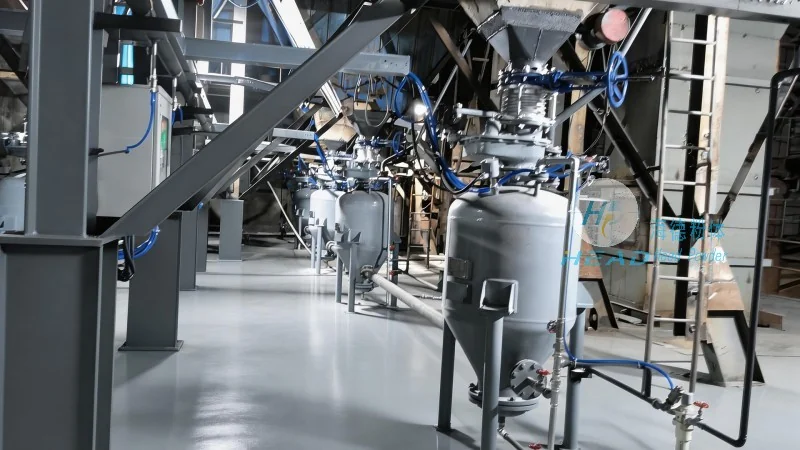
Handling lightweight aggregates presents unique challenges that must be addressed through thoughtful design. One primary challenge is the tendency of these materials to create dust, which can affect air quality and worker safety. To mitigate this, many systems incorporate dust suppression technologies, such as water sprays or enclosed conveyor systems, to minimize airborne particles. Another challenge is the risk of material bridging or caking in storage silos, which can lead to uneven discharge and blockages. Solutions include using cone-bottom silos, installing vibrators or air cannons, and maintaining proper moisture levels to prevent agglomeration. Additionally, the low bulk density of lightweight aggregates can cause reduced conveyor capacity compared to traditional bulk materials. To address this, engineers may use wider belts or higher conveyor speeds, while ensuring the system remains stable and efficient.
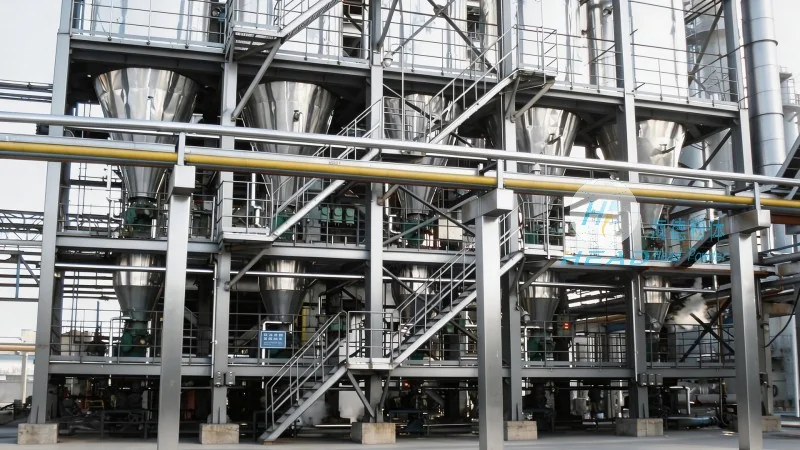
Shandong HeadPowder Engineering Co., Ltd. (headpowder) specializes in the design and manufacturing of advanced lightweight aggregate material handling systems. With a focus on innovation and customer-centric solutions, headpowder leverages years of industry experience to deliver tailored systems that meet the specific needs of clients. The company’s expertise spans the entire material handling process, from initial material intake to final discharge, ensuring that each component is optimized for performance and reliability. For example, headpowder’s custom-designed vibratory feeders are engineered to handle a wide range of lightweight aggregates, from fine perlite to coarse expanded clay, with consistent flow rates and minimal material degradation. Similarly, the company’s conveyor systems incorporate advanced control technologies to adjust speed and tension based on real-time conditions, enhancing operational efficiency. By prioritizing quality materials and rigorous testing, headpowder ensures that its systems not only meet but exceed industry standards for durability and performance.
Efficient lightweight aggregate material handling is essential for modern industrial operations, and the design principles outlined above are critical to achieving this goal. By addressing the unique challenges of lightweight materials—such as dust control, material flow, and system scalability—engineers can develop systems that enhance productivity, reduce costs, and improve overall safety. As the demand for lightweight aggregates continues to grow in construction and other sectors, the importance of reliable handling systems will only increase. Companies like Shandong HeadPowder Engineering Co., Ltd. play a vital role in advancing this technology, providing customized solutions that help clients stay competitive and meet evolving industry demands. Ultimately, the success of lightweight aggregate handling depends on a holistic approach that integrates material properties, equipment design, and operational best practices, ensuring that systems are both effective and sustainable for long-term use.

 Shandong Headpowder Engineering Co., Ltd.
 156-6277-7102(Manager Zhang)
  0531-83386006
  Zhangqiu District, Jinan City, Shandong Province, China
telephone
WeChatconsult
top