

[Pneumatic Conveying in Bulk Transport of Maltodextrin]
Efficient and reliable bulk material handling is a critical aspect of the food processing industry, particularly when dealing with products like maltodextrin. Among the various methods available, pneumatic conveying stands out as a versatile and effective solution for transporting maltodextrin in bulk. This article explores the application of pneumatic conveying systems in the context of maltodextrin handling, highlighting the benefits, considerations, and best practices for implementing such systems.
Understanding Pneumatic Conveying for Maltodextrin Transport
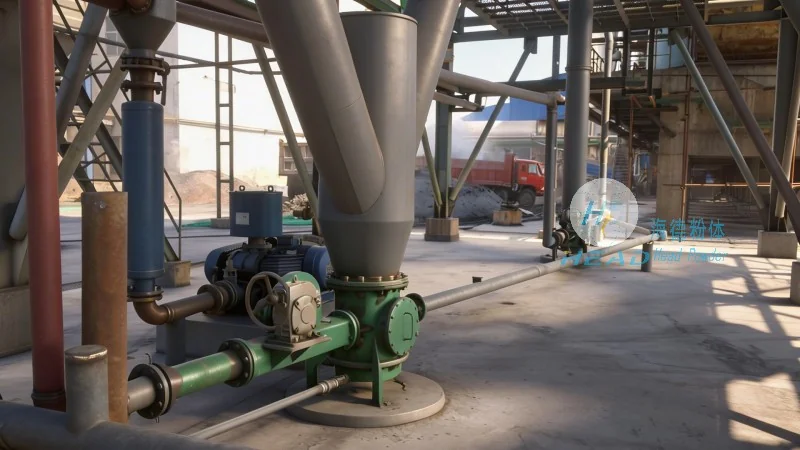
Pneumatic conveying utilizes air or gas to move dry bulk materials through a pipeline system. In the case of maltodextrin, a carbohydrate product derived from starch, the material's properties—such as its fine particle size, low bulk density, and hygroscopic nature—make it well-suited for pneumatic transport. The system typically consists of a hopper, a conveyor line, and a receiver, with air being introduced to create a flow of material through the pipeline. This method offers advantages over traditional mechanical conveying, including reduced equipment wear, lower maintenance costs, and the ability to handle materials in a closed system, minimizing contamination and dust exposure.
Key Benefits of Pneumatic Conveying in Maltodextrin Handling
Implementing pneumatic conveying for maltodextrin transport brings several key benefits. First, it enhances operational efficiency by allowing for continuous, unattended operation, which is essential for high-volume production environments. The closed system design prevents product contamination from external sources and reduces dust emissions, aligning with stringent food safety regulations. Additionally, pneumatic conveying can handle varying material flow rates and can be integrated with other processing equipment, such as mixers and packaging lines, to create a seamless production workflow. The system's flexibility also enables easy adjustments to transport distances and material quantities, making it adaptable to different plant layouts and production scales.
System Components and Design Considerations
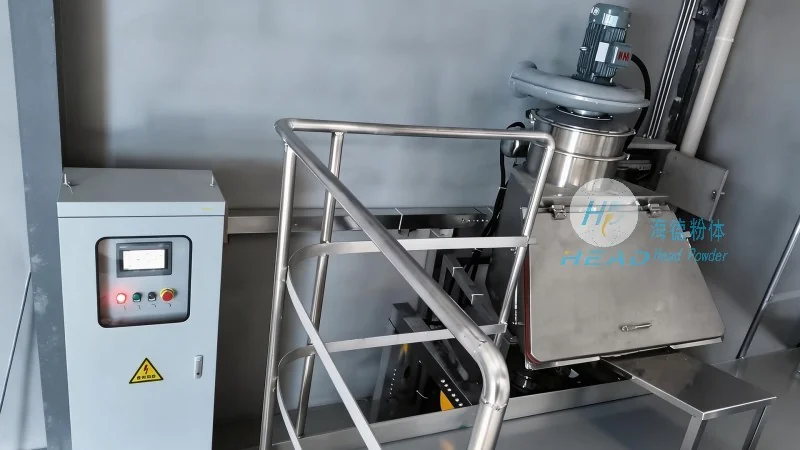
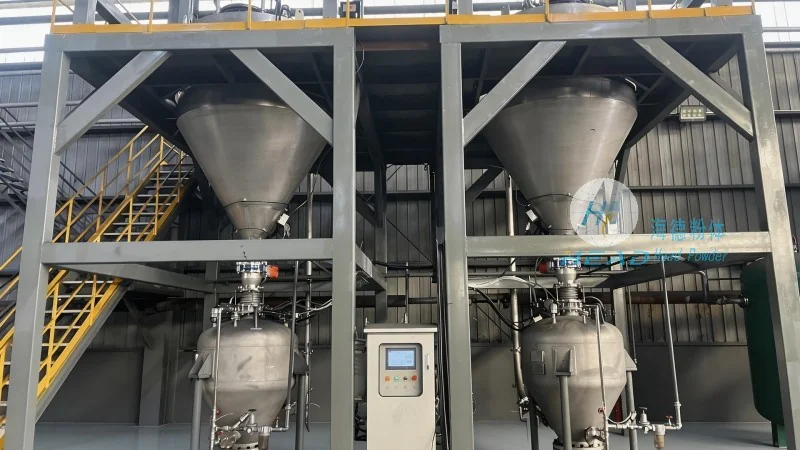
The effectiveness of a pneumatic conveying system for maltodextrin depends on careful consideration of several components and design factors. The hopper, where the maltodextrin is stored before transport, must be designed to minimize material bridging and ensure consistent flow. A well-designed hopper with appropriate aeration and discharge mechanisms ensures that the material is fed smoothly into the conveyor line. The conveyor line itself, typically made of stainless steel to prevent corrosion and maintain hygiene, is equipped with airlocks and filters to control air flow and prevent material loss. The receiver, where the maltodextrin is deposited after transport, must be designed to handle the material's characteristics, such as its tendency to clump or stick to surfaces. Proper maintenance of these components, including regular cleaning and inspection, is crucial to maintain system efficiency and product quality.
Operational Challenges and Solutions
While pneumatic conveying offers numerous advantages, it also presents some operational challenges that must be addressed to ensure optimal performance. One common challenge is the potential for material buildup or blockages in the pipeline, especially with fine particles like maltodextrin. This can be mitigated through the use of appropriate air velocities, which are carefully calculated based on the material's properties and the system's design. Another challenge is the need for consistent air pressure and flow rates to maintain material transport. Proper monitoring and control systems, such as pressure sensors and flow meters, help ensure that the system operates within optimal parameters. Additionally, the hygroscopic nature of maltodextrin means that moisture control is essential to prevent clumping and maintain product quality. Implementing moisture-resistant materials and maintaining proper ventilation can help mitigate this issue.
Best Practices for Implementing Pneumatic Conveying Systems
For successful implementation of pneumatic conveying systems in maltodextrin handling, several best practices should be followed. First, thorough material testing is essential to determine the optimal conveying parameters, including air velocity, pressure, and system configuration. This ensures that the system is designed to handle the specific characteristics of maltodextrin, such as its particle size distribution and flow properties. Second, regular maintenance and cleaning are critical to prevent equipment wear and maintain product quality. This includes cleaning the hopper, conveyor line, and receiver to remove any accumulated material and prevent contamination. Third, training operators on the proper operation and maintenance of the system is important to ensure safe and efficient operation. Finally, considering the long-term operational costs, including energy consumption and maintenance expenses, when selecting a pneumatic conveying system can help optimize overall performance and cost-effectiveness.
Conclusion
Pneumatic conveying is a highly effective method for bulk transport of maltodextrin, offering numerous benefits over traditional mechanical conveying systems. By leveraging the principles of air movement to transport dry bulk materials, this technology enhances operational efficiency, improves product quality, and ensures compliance with food safety regulations. With careful system design, regular maintenance, and adherence to best practices, pneumatic conveying systems can provide reliable and cost-effective solutions for maltodextrin handling in various food processing applications. As the demand for efficient and hygienic material handling continues to grow, pneumatic conveying remains a preferred choice for industries dealing with products like maltodextrin, supporting the smooth operation of production lines and the delivery of high-quality products to consumers.