

Pneumatic Conveying in Bulk Transport of Metal Particles
HeadPowder, a leading engineering firm based in Shandong, China, specializes in the design and implementation of advanced pneumatic conveying systems tailored for the efficient transport of metal particles in bulk material handling operations. This article explores the application of pneumatic conveying technology in the context of metal particle bulk transport, highlighting the technical advantages, operational benefits, and practical considerations for industries relying on such systems.
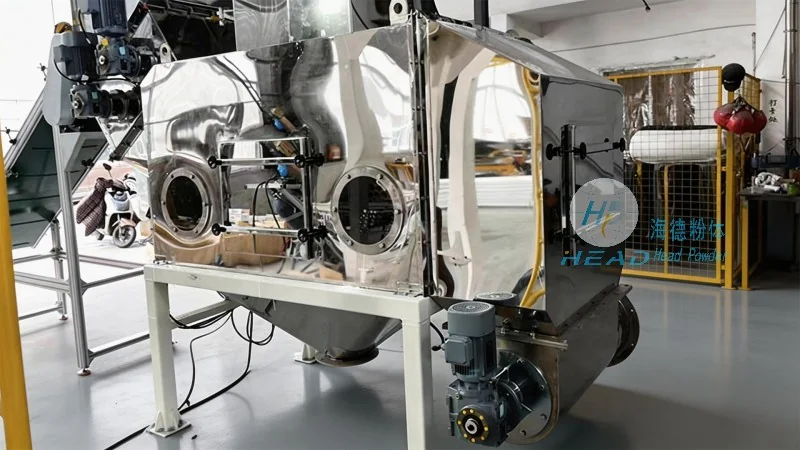
Understanding Pneumatic Conveying Systems for Metal Particles
Pneumatic conveying, also known as pneumatic transport, is a method of moving bulk materials through a pipeline using a stream of pressurized air or vacuum. In the case of metal particles, this technology offers a highly effective solution for transporting materials such as aluminum, steel, copper, and other metallic powders or granules. The system typically consists of a hopper for material storage, a conveyor line, and a control unit that regulates air flow and pressure. By utilizing air as the conveying medium, the system eliminates the need for mechanical components like belts or rollers, reducing maintenance requirements and minimizing the risk of material contamination.
Key Advantages of Pneumatic Conveying for Metal Particle Transport
One of the primary benefits of pneumatic conveying systems for metal particles is their ability to handle abrasive and corrosive materials without causing wear or damage to the equipment. The enclosed pipeline design prevents dust emissions and protects the material from environmental factors, ensuring product integrity throughout the transport process. Additionally, pneumatic conveying offers high transport speeds and the capacity to move materials over long distances with minimal energy consumption compared to traditional methods like truck or rail transport. The system's flexibility allows for easy integration with existing production lines and can be adapted to various particle sizes and flow rates, making it suitable for both small-scale and large-scale industrial applications.
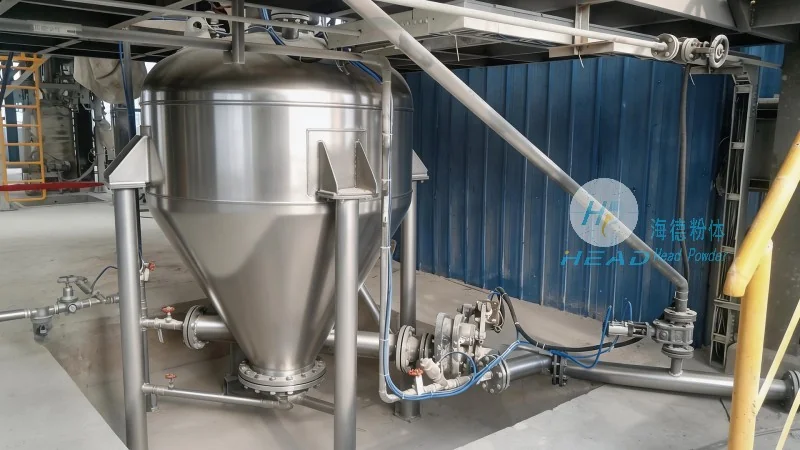
Technical Considerations in Designing Metal Particle Pneumatic Conveying Systems
When designing a pneumatic conveying system for metal particles, several technical factors must be carefully considered to ensure optimal performance and longevity. Particle size and density are critical parameters, as they affect the air velocity required for efficient transport. The system's pressure and flow rate must be precisely calibrated to match the material's characteristics, preventing blockages or excessive energy use. Material properties, such as moisture content and abrasiveness, also influence the choice of pipeline materials and components, such as valves and filters. HeadPowder engineers employ advanced computational fluid dynamics (CFD) and material flow analysis to model the conveying process, ensuring that the system is optimized for the specific metal particle being handled.
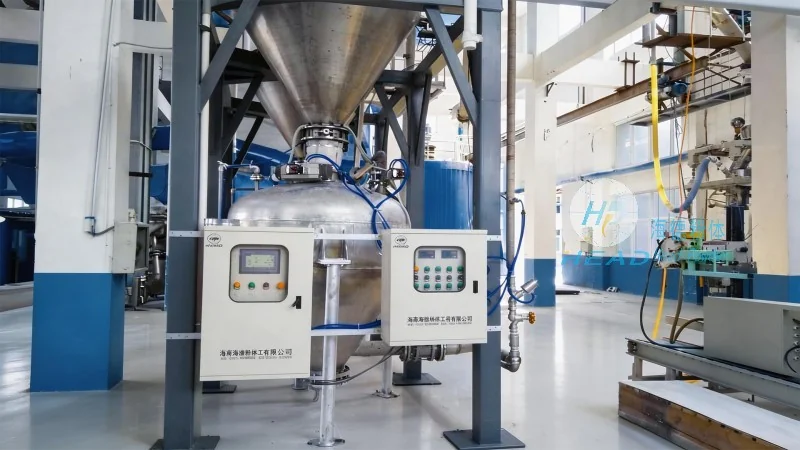
Operational Benefits and Efficiency Improvements
Implementing a pneumatic conveying system for metal particle transport provides significant operational benefits, including increased productivity and reduced downtime. The automated nature of the system minimizes human intervention, leading to consistent and reliable material flow. By eliminating manual handling and reducing the need for intermediate storage, the system streamlines the production process and improves overall efficiency. Furthermore, the enclosed design of the system enhances workplace safety by preventing dust exposure and minimizing the risk of material spills or leaks. HeadPowder's expertise in system integration ensures that the pneumatic conveying solution is tailored to the client's specific operational needs, resulting in cost savings and improved performance over the long term.
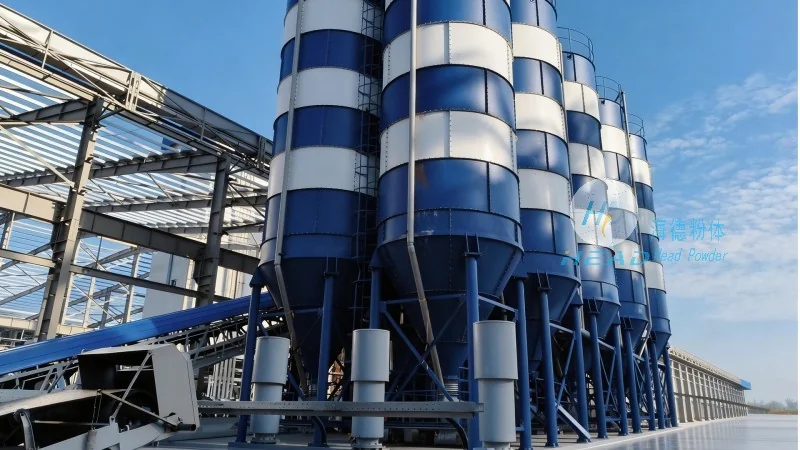
Case Studies and Real-World Applications
HeadPowder has successfully implemented pneumatic conveying systems for metal particles in various industrial sectors, including metal processing, chemical manufacturing, and food processing. For example, a steel mill in Shandong utilized a pneumatic conveying system to transport iron ore pellets from storage silos to the production line, achieving a 30% reduction in transport time and a 20% decrease in energy consumption compared to traditional methods. Another client, a copper smelter, implemented a system to convey copper concentrate from mining sites to the processing plant, improving material handling efficiency and reducing operational costs. These case studies demonstrate the effectiveness of pneumatic conveying in enhancing the productivity and sustainability of metal particle transport operations.
Conclusion and Future Trends
As industries continue to seek more efficient and sustainable methods for bulk material transport, pneumatic conveying systems for metal particles remain a viable and increasingly popular solution. HeadPowder's commitment to innovation and technical expertise ensures that clients receive customized systems that meet their specific requirements. By leveraging advanced engineering principles and material handling technologies, the company provides reliable and efficient solutions for the transport of metal particles, contributing to the growth and success of its clients' operations. With a focus on quality, performance, and customer satisfaction, HeadPowder remains a trusted partner in the design and implementation of pneumatic conveying systems for metal particle bulk transport.