With more than 10‑year industry experience, Shandong Headpowder delivers full‑service pneumatic‑conveying systems and blowers, undertaking nationwide turn‑key powder‑handling projects.
Silica powder, a critical raw material in various industries such as construction, electronics, and chemical manufacturing, requires efficient and reliable transportation methods to maintain product quality and operational efficiency. Pneumatic conveying systems have emerged as a preferred solution for handling silica powder due to their ability to transport materials in a dust-free environment, reduce material degradation, and enhance overall process safety. This article explores the different types of silica powder pneumatic conveying systems, their key characteristics, and the diverse applications where they are utilized.
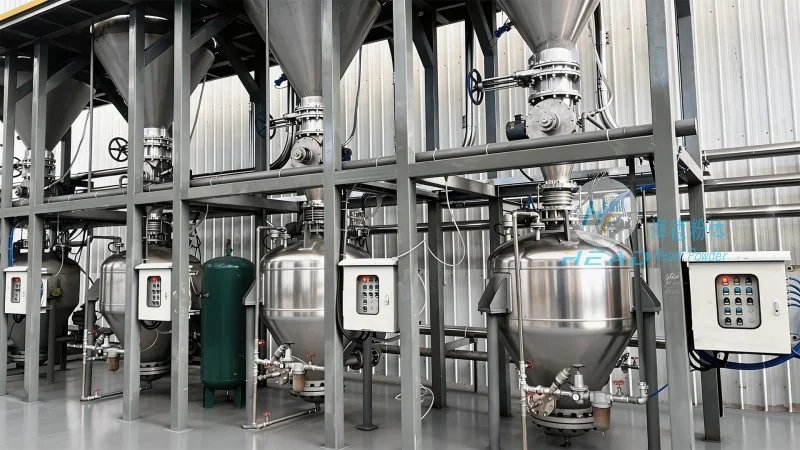
There are primarily three types of pneumatic conveying systems used for transporting silica powder: suction (or vacuum) systems, pressure systems, and combined (or mixed) systems. Each type operates on a different principle and is suitable for specific operational requirements and material characteristics.
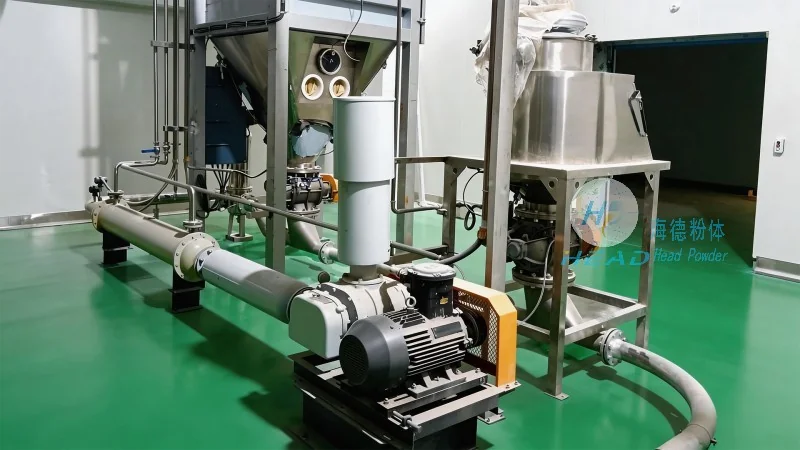
Suction systems are designed to draw silica powder from a source, such as a silo or hopper, using a vacuum created by a fan or blower. These systems are ideal for applications where the material needs to be transported over short to medium distances and where the source is located at a lower elevation than the destination. The primary advantage of suction systems is their ability to handle materials with low to moderate flow rates and to minimize the risk of material spillage or contamination. They are commonly used in industries where dust control is a priority, such as in the production of concrete additives or in the handling of silica for glass manufacturing.
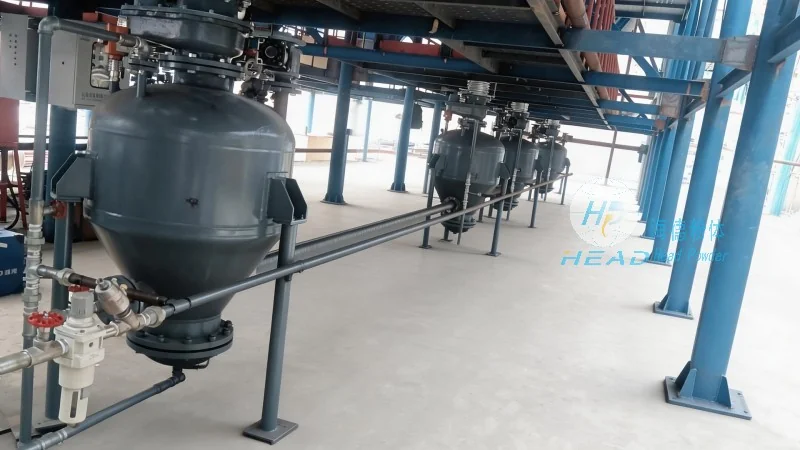
Pressure systems, on the other hand, use compressed air to push silica powder through a pipeline. These systems are suitable for longer distance transportation and for materials that require higher flow rates. Unlike suction systems, pressure systems can handle materials with higher moisture content and can transport materials from a lower elevation to a higher one. They are often used in large-scale industrial applications where high throughput is required, such as in the production of silica-based products for the automotive or aerospace industries.
Combined systems integrate both suction and pressure principles to offer greater flexibility in material handling. These systems can draw material from a source and then transport it using compressed air, making them suitable for complex layouts and varied operational conditions. They are particularly useful in applications where the material needs to be transported over long distances or where the source and destination are at different elevations. The combined approach allows for efficient handling of both low and high flow rates, making it a versatile solution for diverse industrial needs.
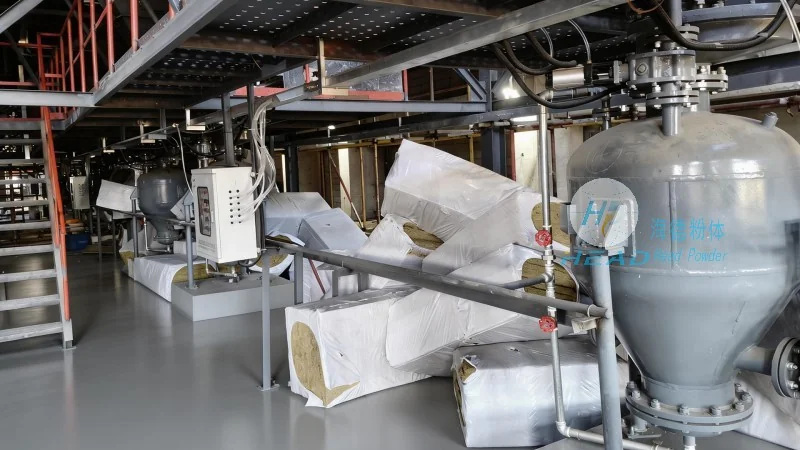
Regardless of the type, silica powder pneumatic conveying systems share several key characteristics that make them advantageous for material handling. First, they provide a dust-free environment, which is crucial for maintaining product quality and ensuring workplace safety. Silica powder is often used in applications where contamination can affect the final product, such as in the production of high-purity silica for electronics or in the manufacturing of concrete admixtures. Second, these systems reduce material degradation by minimizing friction and impact during transportation. Unlike mechanical conveying methods, which can cause particle breakage or agglomeration, pneumatic systems use air to gently move the material, preserving its physical properties. Third, pneumatic conveying systems are relatively low maintenance compared to other methods, as they have fewer moving parts and require less frequent cleaning. This reduces operational costs and downtime, making them a cost-effective solution for long-term use.
Silica powder pneumatic conveying systems are widely used across various industries due to their adaptability and efficiency. In the construction industry, they are used to transport silica-based additives for concrete production, ensuring consistent quality and reducing the risk of dust exposure for workers. In the electronics industry, high-purity silica powder is used in the manufacturing of semiconductors and optical components, and pneumatic conveying systems help maintain the purity of the material by preventing contamination. The chemical industry also utilizes these systems for transporting silica-based chemicals, such as silica sols, which are used in the production of coatings and adhesives. Additionally, in the glass manufacturing industry, silica powder is a primary ingredient, and pneumatic conveying systems enable efficient and safe handling of the material during the production process. These applications highlight the versatility of silica powder pneumatic conveying systems in meeting the diverse needs of modern industrial processes.
Shandong HeadPowder Engineering Co., Ltd., commonly known as headpowder, is a leading manufacturer specializing in the design, development, and production of silica powder pneumatic conveying systems. With a focus on innovation and quality, headpowder has established itself as a trusted partner for industries requiring reliable and efficient material handling solutions. The company's headquarters is located in Shandong, China, and it serves clients globally with customized solutions tailored to their specific operational requirements. By leveraging advanced technology and extensive industry experience, headpowder ensures that its pneumatic conveying systems meet the highest standards of performance, safety, and durability.

 Shandong Headpowder Engineering Co., Ltd.
 156-6277-7102(Manager Zhang)
  0531-83386006
  Zhangqiu District, Jinan City, Shandong Province, China
telephone
WeChatconsult
top