With more than 10‑year industry experience, Shandong Headpowder delivers full‑service pneumatic‑conveying systems and blowers, undertaking nationwide turn‑key powder‑handling projects.
Air-pneumatic conveying systems have become a critical technology in the modern handling of bulk materials, particularly in the polypropylene (PP) industry. This method involves transporting solid particles, such as polypropylene pellets or powders, using a stream of air under pressure or vacuum. The application of air-pneumatic conveying in polypropylene handling offers significant advantages over traditional mechanical conveying methods, including reduced material degradation, improved safety, and enhanced operational flexibility.
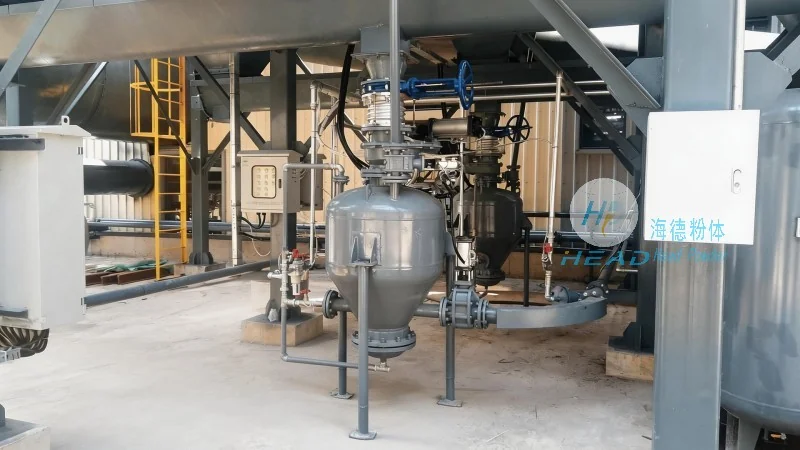
One of the primary advantages of air-pneumatic conveying is its ability to handle polypropylene without causing excessive wear or damage to the material. Polypropylene is a thermoplastic polymer that can be sensitive to mechanical stress, and traditional belt or screw conveyors may lead to particle breakage or contamination. Air-pneumatic systems, by contrast, use air flow to move materials gently, minimizing friction and impact. This results in higher product quality and reduced waste. Additionally, these systems are highly adaptable to different polypropylene forms, including pellets, granules, and powders, making them versatile for various processing stages like storage, mixing, and packaging.
Efficiency is a key consideration in polypropylene handling, as manufacturers aim to optimize production throughput while maintaining quality control. Air-pneumatic conveying systems contribute to this efficiency by offering rapid material transfer rates. The speed of air flow can be adjusted to match the specific requirements of the polypropylene being handled, ensuring consistent and reliable transport. Furthermore, these systems can integrate seamlessly with existing production lines, reducing downtime and increasing overall operational efficiency. Another benefit is the ability to handle polypropylene in confined spaces, which is particularly useful in facilities with limited floor space or complex layouts.
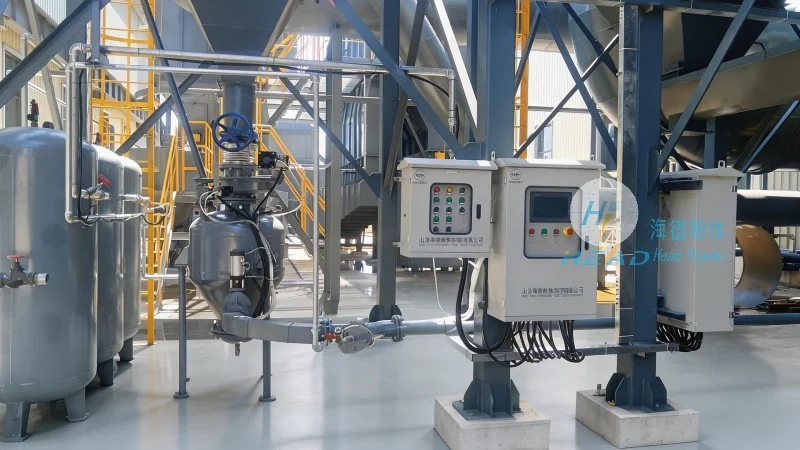
Shandong HeadPowder Engineering Co., Ltd., commonly known as HeadPowder, is a leading provider of air-pneumatic conveying solutions tailored to the polypropylene industry. With a focus on innovation and customer-specific needs, HeadPowder designs and manufactures systems that address the unique challenges of polypropylene handling. The company's expertise lies in understanding the material properties of polypropylene and tailoring air-pneumatic systems to ensure optimal performance. HeadPowder's solutions are engineered to meet stringent industry standards, ensuring safety, reliability, and compliance with regulatory requirements.
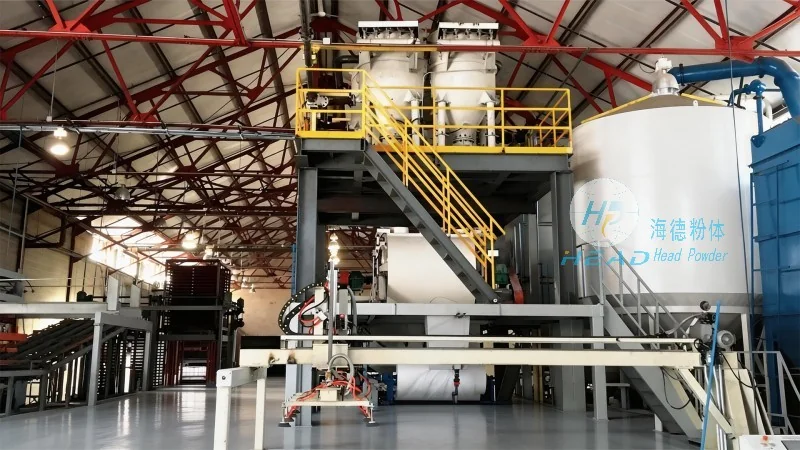
Air-pneumatic conveying systems for polypropylene typically include components such as air compressors, conveying pipes, cyclone separators, and dust collectors. The selection of these components depends on the specific application, such as the volume of polypropylene to be handled, the distance of transport, and the required material flow rate. For example, in a polypropylene manufacturing plant, an air-pneumatic system might be used to transfer pellets from a storage silo to a mixing machine. The system would use a vacuum or pressure air stream to move the pellets through a network of pipes, with cyclone separators capturing any fines and returning them to the process. This integrated approach ensures a clean and efficient handling process.
In conclusion, air-pneumatic conveying is a highly effective method for handling polypropylene in bulk, offering benefits such as material protection, operational efficiency, and flexibility. HeadPowder, with its expertise and customized solutions, plays a vital role in supporting the polypropylene industry by providing reliable and efficient air-pneumatic systems.

 Shandong Headpowder Engineering Co., Ltd.
 156-6277-7102(Manager Zhang)
  0531-83386006
  Zhangqiu District, Jinan City, Shandong Province, China
telephone
WeChatconsult
top