With more than 10‑year industry experience, Shandong Headpowder delivers full‑service pneumatic‑conveying systems and blowers, undertaking nationwide turn‑key powder‑handling projects.
For industries dealing with polyethylene powder, the efficiency and reliability of material handling systems are paramount. A polyethylene powder conveying line is a specialized system engineered to transport polyethylene powder from one location to another within a production facility. This system is crucial for maintaining consistent material flow, ensuring product quality, and optimizing operational processes. The design of such a line involves careful consideration of various factors, including the physical properties of polyethylene powder, the required conveying capacity, and the overall layout of the industrial environment.
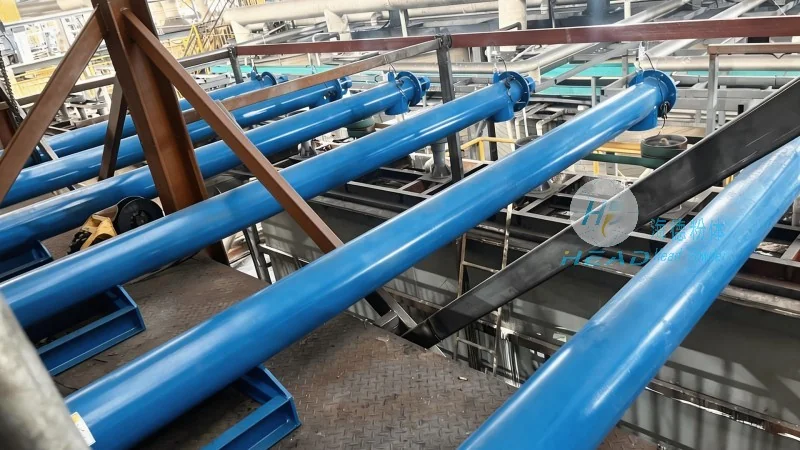
The design of a polyethylene powder conveying line typically incorporates several key components that work in tandem to achieve efficient material transport. These components include feeders, conveyors, and control systems, each playing a vital role in the overall functionality of the system. The feeders are responsible for uniformly feeding the polyethylene powder into the conveying system, ensuring a consistent flow rate. This is particularly important for polyethylene powder, which can be prone to bridging or segregation if not handled properly. The conveyors, often in the form of pneumatic or mechanical systems, then transport the powder through the line. Pneumatic conveying systems use air pressure to move the powder, while mechanical systems rely on belts, screws, or other mechanisms. The choice between these systems depends on factors like the powder's characteristics, the distance to be covered, and the required conveying speed. Additionally, the design must account for the potential for dust generation and the need for proper ventilation and filtration to maintain a safe working environment.
Designing an effective polyethylene powder conveying line requires adherence to several fundamental principles. First, the system must be tailored to the specific properties of polyethylene powder. Polyethylene is a non-porous, thermoplastic material that can vary in particle size and density, which affects how it behaves during transport. For instance, finer particles may require more gentle handling to prevent agglomeration, while larger particles might need stronger forces to move efficiently. The design must also consider the flow characteristics of the powder, such as its angle of repose and friction coefficient, to ensure smooth movement through the conveying line. Second, the conveying capacity must match the production requirements. Overloading the system can lead to blockages or reduced efficiency, while underutilizing it may result in unnecessary energy consumption. Therefore, accurate flow rate calculations and system sizing are critical. Third, the system should be designed for easy maintenance and cleaning. Polyethylene powder can sometimes adhere to surfaces, making regular cleaning essential to prevent contamination and ensure long-term performance. The design may include features like easy-to-access components, self-cleaning mechanisms, or non-stick surfaces to facilitate maintenance. Fourth, safety is a paramount consideration. Polyethylene powder can be a respiratory hazard if inhaled, and the system must incorporate proper dust collection and ventilation to protect workers. Additionally, the system should be equipped with safety interlocks and emergency stop mechanisms to prevent accidents during operation.
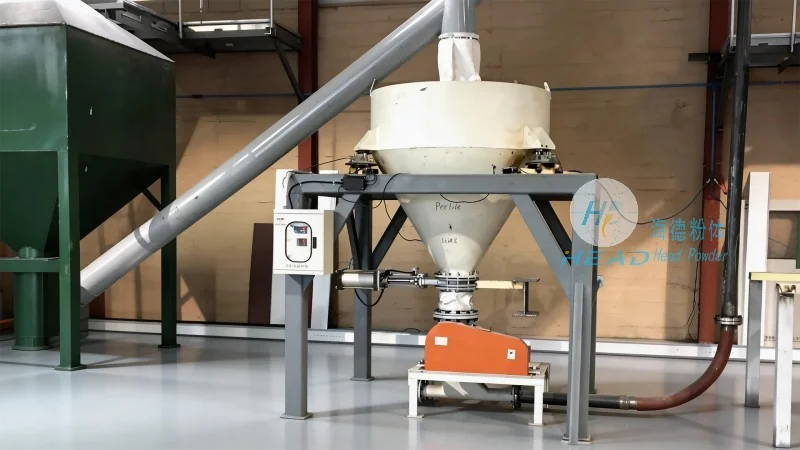
Polyethylene powder conveying lines are widely used in various industries, including plastics manufacturing, chemical processing, and food processing. In plastics manufacturing, these systems are essential for transporting polyethylene resin from storage silos to processing equipment, such as extruders or injection molding machines. The consistent supply of raw material ensures that production lines run smoothly and efficiently. In chemical processing, the lines are used to transport polyethylene powder between different processing stages, such as drying, mixing, and compounding. This helps maintain the quality and consistency of the final product. In food processing, the systems are used to handle polyethylene-based food packaging materials, ensuring that the powder is transported without contamination. The benefits of using a well-designed polyethylene powder conveying line include improved operational efficiency, reduced labor costs, and enhanced product quality. By minimizing material loss and ensuring consistent flow, the system helps companies save money and improve their bottom line. Additionally, the use of advanced materials and engineering in the design of these lines can extend their lifespan and reduce maintenance requirements, providing long-term value to the user.

One of the key advantages of polyethylene powder conveying lines is their ability to be customized to meet the specific needs of a facility. Shandong HeadPowder Engineering Co., Ltd., a leading manufacturer of material handling systems, offers tailored solutions that can be integrated with existing production lines. The company's expertise in designing and manufacturing polyethylene powder conveying lines ensures that each system is optimized for the customer's unique requirements. Customization options may include different conveyor types, feeder designs, and control systems, allowing for flexibility in adapting to various production processes. Integration with existing systems is also a critical aspect of the design. The conveying line must be compatible with the existing infrastructure, such as storage silos, processing equipment, and control panels. This ensures a seamless transition and minimal disruption to the production workflow. The company's engineers work closely with clients to understand their operational needs and design a system that fits perfectly into their existing setup. This approach not only enhances the efficiency of the conveying line but also ensures that the overall production process remains smooth and uninterrupted.
In conclusion, a polyethylene powder conveying line is a vital component of any industrial facility that handles polyethylene powder. The design of such a line must consider the unique properties of the material, the operational requirements of the facility, and the safety of the workers. A well-designed system can significantly improve the efficiency and reliability of material handling, leading to better product quality and lower operational costs. Shandong HeadPowder Engineering Co., Ltd. specializes in providing high-quality polyethylene powder conveying lines that are tailored to meet the specific needs of their clients. With their expertise in engineering and manufacturing, they ensure that each system is built to last and performs optimally. By investing in a well-designed conveying line, companies can enhance their production capabilities and maintain a competitive edge in their respective industries.

 Shandong Headpowder Engineering Co., Ltd.
 156-6277-7102(Manager Zhang)
  0531-83386006
  Zhangqiu District, Jinan City, Shandong Province, China
telephone
WeChatconsult
top