With more than 10‑year industry experience, Shandong Headpowder delivers full‑service pneumatic‑conveying systems and blowers, undertaking nationwide turn‑key powder‑handling projects.
Barium carbonate, a crucial inorganic chemical compound, is widely used in various industrial applications such as glass manufacturing, ceramics, and as a precursor in the production of other barium compounds. The efficient and safe handling of barium carbonate powder is essential for industrial processes, which is where specialized powder conveying lines come into play. This article explores the concept of a barium carbonate powder conveying line, detailing its design principles and the technical considerations that ensure optimal performance.
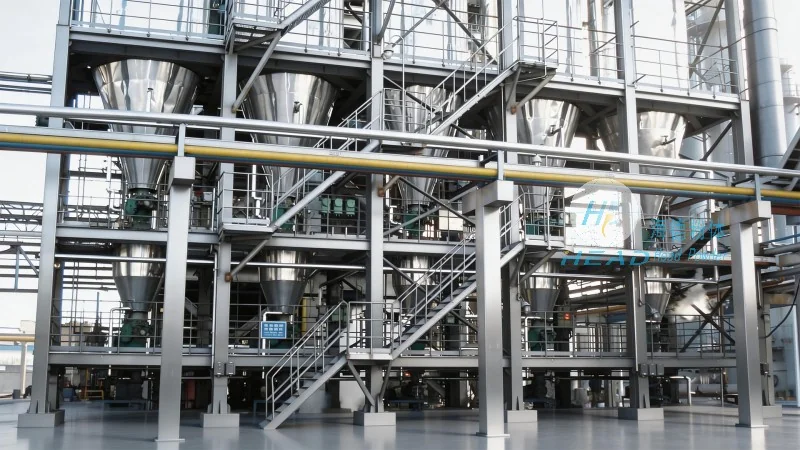
A barium carbonate powder conveying line is a system engineered to transport barium carbonate powder from its source, such as storage silos or production reactors, to processing equipment or packaging units. These systems are designed to handle the unique properties of barium carbonate powder, which can be hygroscopic and may require controlled conditions to prevent caking or degradation. The conveying line typically includes components like feeders, conveyors, and control systems that work in tandem to ensure a consistent and reliable flow of material.
The design of a barium carbonate powder conveying line involves several critical components that are tailored to the specific characteristics of barium carbonate. These components include:
1. Feeding Equipment: This is the initial stage where the powder is introduced into the system. Common types include rotary valves, star feeders, or screw feeders, which are chosen based on the flow rate and the need for precise control over the material discharge. For barium carbonate, which can be prone to bridging or sticking, a feeder with adjustable speed and torque is often preferred to maintain a smooth flow.
2. Pneumatic Conveying Systems: Many barium carbonate conveying lines utilize pneumatic systems, which use air or other gases to transport the powder through pipelines. These systems can be either pressure or vacuum-based, depending on the application. The choice of conveying method is influenced by factors such as the distance to be covered, the required flow rate, and the need to maintain the powder's integrity. Pneumatic systems are particularly effective for handling fine powders like barium carbonate, as they minimize particle degradation and ensure a uniform flow.
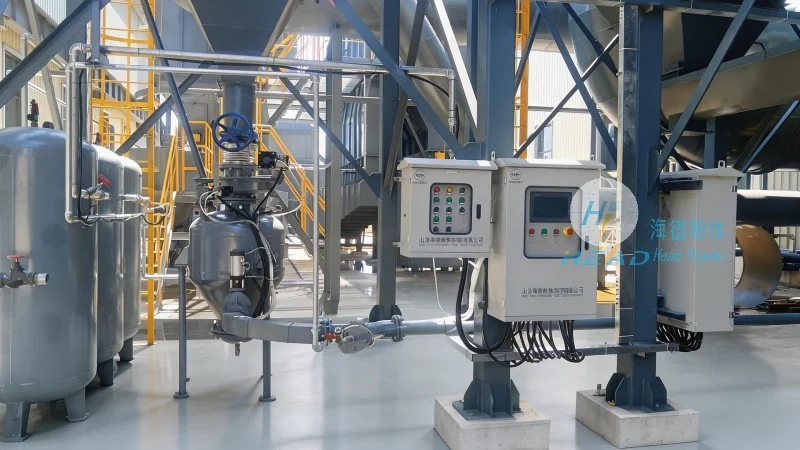
3. Conveying Pipelines: The pipelines used in the conveying line are typically made of materials that are resistant to corrosion and wear, such as stainless steel or special plastics. This is important because barium carbonate can be reactive with certain metals and may cause abrasion over time. The pipeline design also considers the need for smooth surfaces to prevent material buildup and clogging, which can lead to system inefficiencies or blockages.
4. Control and Monitoring Systems: Modern barium carbonate powder conveying lines are equipped with advanced control systems that monitor parameters such as flow rate, pressure, and temperature. These systems use sensors and automation technology to ensure that the conveying process operates within optimal parameters. For example, a pressure sensor can detect any blockages in the pipeline, triggering an alarm or automatic shutdown to prevent damage to the equipment. Additionally, temperature sensors may be used to maintain the powder at a stable temperature, which is crucial for preventing moisture absorption and caking.
The design of a barium carbonate powder conveying line is guided by several key principles aimed at ensuring efficiency, safety, and reliability. These principles include:
1. Material Compatibility: All components of the conveying line, including the feeders, pipelines, and control systems, must be compatible with barium carbonate. This involves selecting materials that are resistant to chemical reactions and wear from the powder. For instance, stainless steel is commonly used for pipelines and valves due to its corrosion resistance, while special coatings may be applied to prevent abrasion.
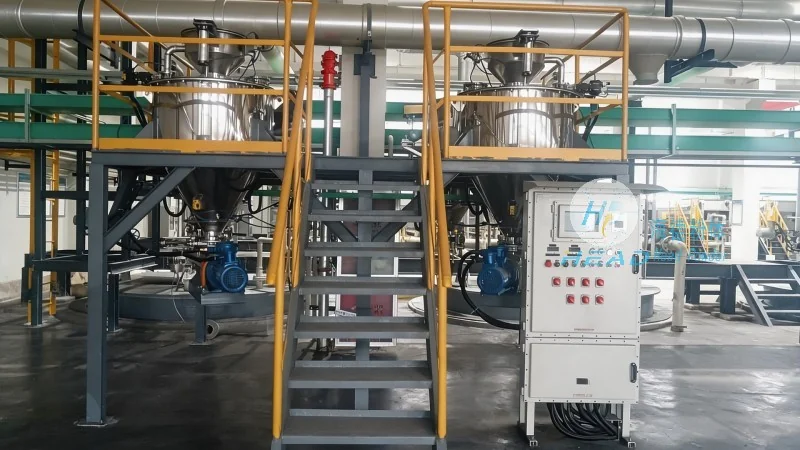
2. Flow Control and Uniformity: Maintaining a consistent and uniform flow of barium carbonate is critical to prevent issues such as clogging or uneven processing. The design incorporates features like adjustable feeders and variable speed conveyors to regulate the flow rate. Additionally, the use of pneumatic systems allows for precise control over the material's velocity and pressure, ensuring that the powder moves smoothly through the system without excessive friction or degradation.
3. Prevention of Caking and Agglomeration: Barium carbonate is hygroscopic, meaning it can absorb moisture from the air and form clumps or cakes. The design of the conveying line includes measures to minimize exposure to moisture and maintain dry conditions. This may involve using sealed containers, dehumidifiers, or drying units before the powder enters the conveying system. Additionally, the use of anti-caking agents or the incorporation of vibration systems in the pipelines can help prevent agglomeration and ensure a free-flowing material.
4. Safety and Environmental Considerations: The design of the conveying line also prioritizes safety and environmental compliance. This includes features such as dust collection systems to capture any airborne particles, explosion-proof components for areas where flammable gases may be present, and proper ventilation to maintain a safe working environment. The system is also designed to minimize the risk of dust explosions, which can be a significant hazard with fine powders like barium carbonate.
The barium carbonate powder conveying line is a vital component in industrial processes that require the handling of barium carbonate. By ensuring efficient and safe transportation of the material, these systems contribute to improved productivity and reduced operational costs. The benefits of a well-designed conveying line include:
1. Increased Efficiency: By maintaining a consistent flow rate and minimizing downtime due to clogging or blockages, the conveying line helps to increase the overall efficiency of the production process. This leads to higher output and reduced labor costs.
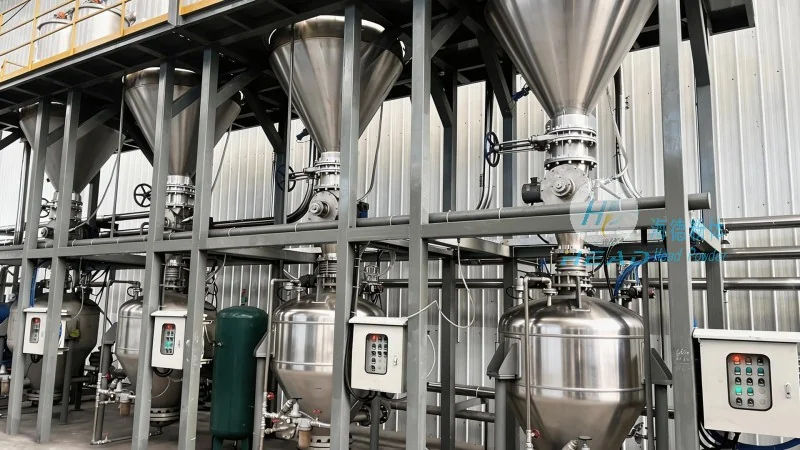
2. Improved Product Quality: The controlled conditions and gentle handling provided by the conveying line help to preserve the quality of the barium carbonate powder. This is particularly important for applications where the powder's purity and particle size distribution are critical, such as in glass manufacturing or ceramics.
3. Enhanced Safety: The design of the conveying line incorporates safety features that reduce the risk of accidents and exposure to hazardous materials. This includes dust collection systems, explosion-proof components, and proper ventilation, which help to protect workers and the environment.
4. Cost-Effectiveness: By minimizing material waste and reducing maintenance costs through the use of durable components and efficient control systems, the conveying line provides a cost-effective solution for handling barium carbonate powder.
A barium carbonate powder conveying line is a sophisticated system designed to handle the unique properties of barium carbonate powder efficiently and safely. The design principles, including material compatibility, flow control, and safety considerations, ensure that the system operates reliably and contributes to the overall success of industrial processes. For industries that rely on barium carbonate, investing in a well-designed conveying line is essential for maintaining productivity, product quality, and workplace safety.

 Shandong Headpowder Engineering Co., Ltd.
 156-6277-7102(Manager Zhang)
  0531-83386006
  Zhangqiu District, Jinan City, Shandong Province, China
telephone
WeChatconsult
top