With more than 10‑year industry experience, Shandong Headpowder delivers full‑service pneumatic‑conveying systems and blowers, undertaking nationwide turn‑key powder‑handling projects.
For industrial operations dealing with petroleum coke, the efficient and reliable transport of this material is crucial. A petroleum coke powder conveying line, also known as a system for handling petroleum coke in powder form, is a specialized setup designed to move this material from one location to another within a facility or between different facilities. This system is integral to processes in industries such as steel production, power generation, and chemical manufacturing, where petroleum coke is used as a fuel or raw material.

The petroleum coke powder conveying line is a comprehensive system that integrates various components to ensure the safe, efficient, and continuous transport of petroleum coke. It typically includes feeders, conveyors, storage silos, and control systems, all working in tandem to manage the material flow. The primary goal of this line is to handle the bulk material in a manner that minimizes dust generation, optimizes energy consumption, and ensures compliance with safety and environmental regulations.
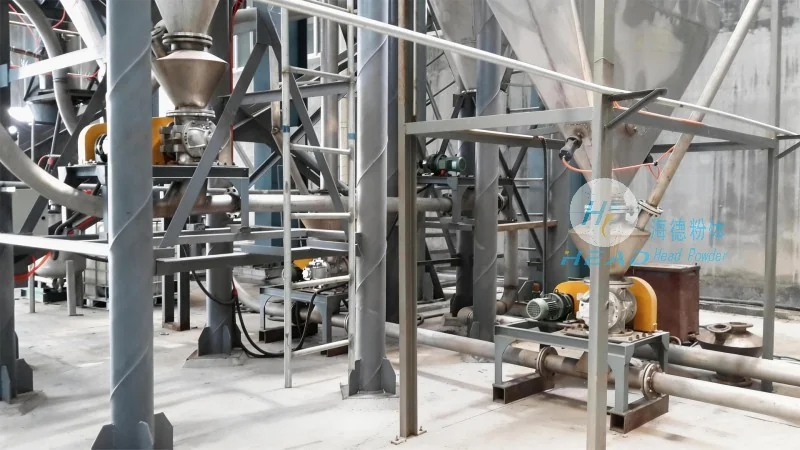
Several critical components make up a typical petroleum coke powder conveying line. The first is the feeder, which is responsible for feeding the petroleum coke from a storage silo or hopper into the conveyor system. Common types of feeders include rotary valves and star feeders, which are designed to handle the abrasive nature of petroleum coke while maintaining a consistent flow rate. The conveyor itself is a central element, often using pneumatic or mechanical methods to transport the material. Pneumatic conveying systems use air pressure to move the powder through pipelines, while mechanical conveyors, such as belt or screw conveyors, rely on mechanical force to move the material. Storage silos are also essential, providing a buffer to regulate the flow of material and prevent overloading the conveyor system. Finally, control systems are integrated to monitor and adjust the operation of the conveying line, ensuring optimal performance and safety.
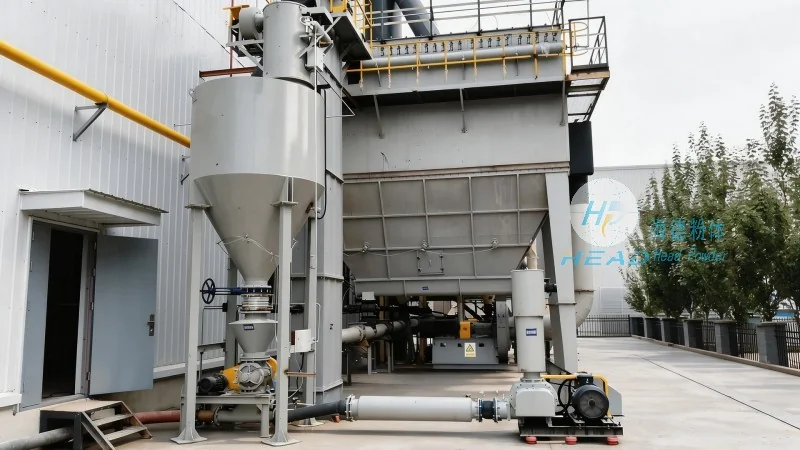
The design of a petroleum coke powder conveying line is based on several key principles to ensure its effectiveness and reliability. One of the primary principles is the minimization of dust generation. Petroleum coke is a fine powder that can create significant dust, which poses health and safety risks. To address this, the system incorporates dust collection and suppression measures, such as sealed feeders and conveyor enclosures, to contain the dust and prevent its release into the environment. Another important principle is energy efficiency. The conveying line is designed to use the least amount of energy possible while maintaining the required flow rate. This is achieved through the selection of appropriate conveyor types, such as high-efficiency pneumatic systems or low-friction mechanical conveyors, and the optimization of system parameters like air pressure and conveyor speed. Additionally, the design considers the material's properties, such as its abrasiveness and density, to select components that can withstand the material's impact and ensure long-term durability. The system is also designed for scalability, allowing it to be expanded or modified as the industrial needs change. This flexibility ensures that the conveying line can adapt to future production requirements without requiring a complete overhaul.
The petroleum coke powder conveying line is widely used in various industrial applications, particularly in the steel and power industries. In steel production, petroleum coke is used as a fuel in blast furnaces, and the conveying line ensures a steady supply of this material. In power generation, it is used as a fuel in boilers, and the system provides a reliable way to transport the material to the combustion chamber. The benefits of this system are numerous. It improves operational efficiency by ensuring a continuous and consistent supply of petroleum coke, reducing downtime and increasing productivity. It also enhances safety by minimizing dust exposure and preventing material buildup that could lead to fires or explosions. Furthermore, the system reduces environmental impact by containing dust and preventing its release into the air. The use of advanced control systems also allows for better monitoring and management of the material flow, leading to cost savings and improved process control.
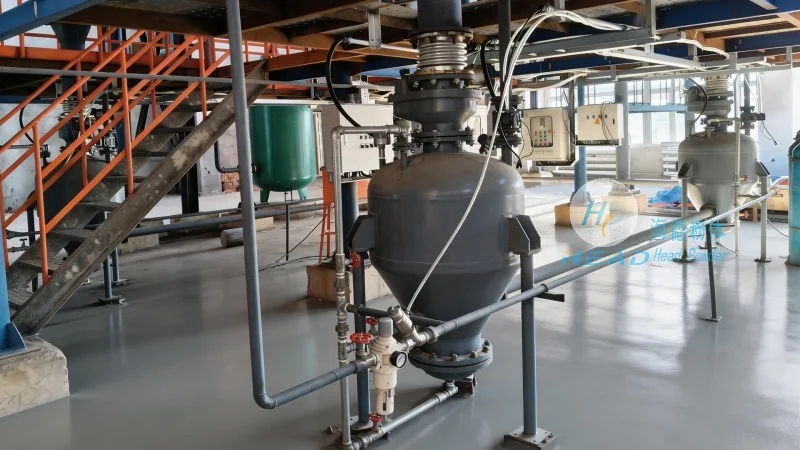
In conclusion, a petroleum coke powder conveying line is a critical component in industrial operations that handle petroleum coke. Its design is based on principles that prioritize efficiency, safety, and environmental compliance. The system's components, including feeders, conveyors, storage silos, and control systems, work together to ensure the reliable and safe transport of this material. The benefits of implementing such a system include improved operational efficiency, enhanced safety, and reduced environmental impact. For companies dealing with petroleum coke, investing in a well-designed conveying line is essential to meet their production needs and maintain compliance with industry standards. Shandong HeadPowder Engineering Co., Ltd., a leading provider of industrial conveying solutions, specializes in designing and manufacturing these systems to meet the specific requirements of their clients. With their expertise and commitment to quality, they help industries optimize their petroleum coke handling processes and achieve their operational goals.

 Shandong Headpowder Engineering Co., Ltd.
 156-6277-7102(Manager Zhang)
  0531-83386006
  Zhangqiu District, Jinan City, Shandong Province, China
telephone
WeChatconsult
top