With more than 10‑year industry experience, Shandong Headpowder delivers full‑service pneumatic‑conveying systems and blowers, undertaking nationwide turn‑key powder‑handling projects.
When it comes to efficiently handling Lysine—a crucial amino acid used in animal feed and other industrial applications—pneumatic conveying systems have become a cornerstone of modern material handling. These systems offer a hygienic, enclosed solution for transporting Lysine powder and granules, ensuring minimal contamination and loss. In this article, we explore the Lysine pneumatic conveying system equipment and delve into the design principles that make it effective.
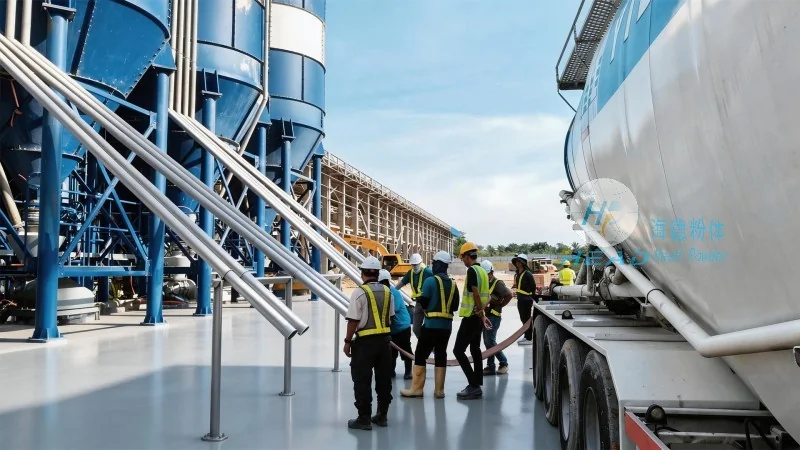
Lysine is a vital component in the production of high-quality animal feed, pharmaceuticals, and food supplements. The efficient and safe transport of Lysine from production lines to storage or packaging areas is critical. Pneumatic conveying systems provide a reliable method for moving Lysine by using air pressure to transport the material through a network of pipes. This approach is particularly advantageous for Lysine, which is sensitive to moisture and contamination, as it keeps the material enclosed throughout the process.
The Lysine pneumatic conveying system consists of several key components, each playing a vital role in the overall operation. The primary components include the feed hopper, which holds the Lysine material; the air compressor or blower, which generates the necessary air pressure; the conveying line, typically made of stainless steel to maintain hygiene; and the discharge valve or receiver, where the material is collected. Additionally, the system may include filters to remove dust and moisture from the air, and pressure regulators to control the air flow.
The design of a Lysine pneumatic conveying system is guided by several key principles to ensure optimal performance and safety. First, the system must be designed to handle the specific physical properties of Lysine, such as its particle size, density, and flowability. Lysine particles are often fine and cohesive, which can affect how they move through the system. Engineers must consider these characteristics when selecting the type of pneumatic conveying (either suction or pressure) and the appropriate air velocity to prevent blockages or excessive wear on components.
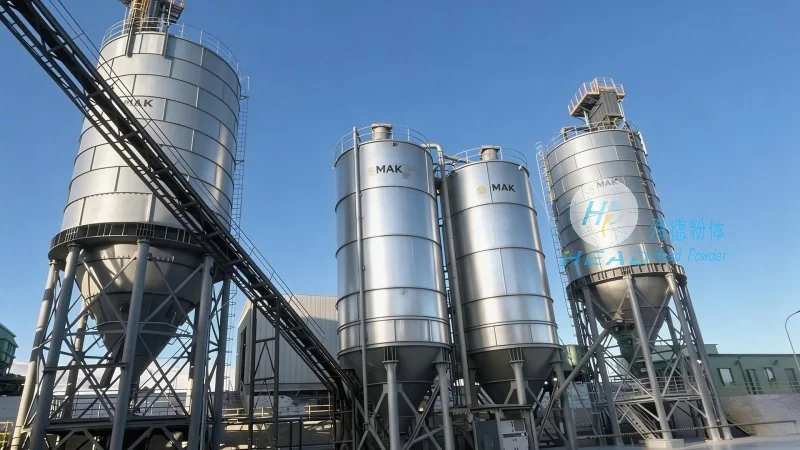
Second, the system must prioritize hygiene and sanitation, as Lysine is used in food and animal feed applications where contamination is unacceptable. All components, especially the conveying line and hopper, are typically made of stainless steel or other food-grade materials. The system is also designed to be easy to clean and maintain, with smooth surfaces and no dead zones where material can accumulate.
The operation of a Lysine pneumatic conveying system involves a sequence of steps. The process begins with the Lysine material being fed into the hopper from a silo or storage bin. The air compressor then generates a flow of air, which is introduced into the conveying line. As the air moves through the line, it creates a low-pressure zone that draws the Lysine particles into the air stream. The mixture of air and Lysine travels through the pipes to the discharge point, where the material is separated from the air and collected in the receiver. The air is then filtered and returned to the system or released into the environment.
Implementing a Lysine pneumatic conveying system offers several advantages over traditional methods like bucket elevators or belt conveyors. One of the most significant benefits is the enclosed, dust-free environment, which reduces the risk of contamination and exposure to airborne particles. This is particularly important in food and pharmaceutical industries where product purity is paramount. Additionally, pneumatic conveying systems are more flexible in terms of layout, as they can be installed in various configurations to fit the space constraints of a facility.
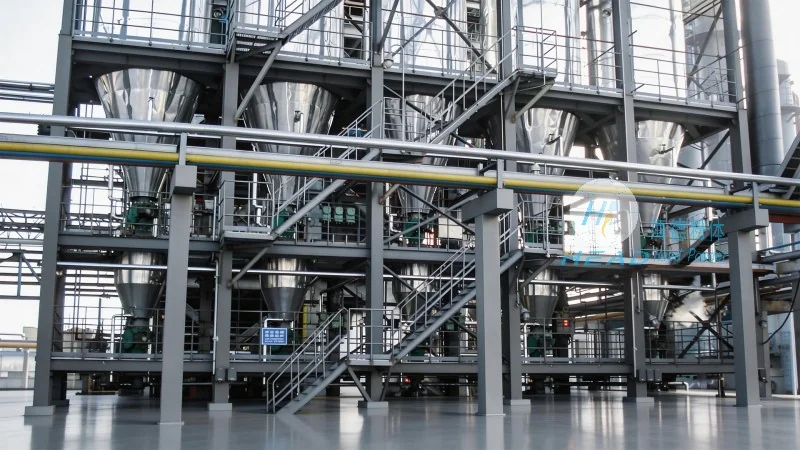
Another advantage is the efficiency and speed of material transport. The system can move large quantities of Lysine quickly and with minimal labor, reducing downtime and increasing overall productivity. The enclosed design also helps to maintain consistent material temperature, which is crucial for Lysine's stability and quality. Finally, the system is relatively low-maintenance compared to other types of conveyors, as it has fewer moving parts and is less prone to mechanical failure.
Lysine pneumatic conveying systems are widely used in various stages of the Lysine production and processing chain. In the manufacturing plant, the system can transport Lysine from the grinding and sieving stages to the packaging area. It can also be used to move Lysine from storage silos to the production line, ensuring a continuous supply of raw material. In the warehouse, the system can efficiently transfer Lysine from bulk storage to packaging lines or shipping containers. Additionally, the system is suitable for transporting Lysine in different forms, such as powder or granules, adapting to the specific needs of each application.
Shandong HeadPowder Engineering Co., Ltd., a leading manufacturer of pneumatic conveying systems, specializes in designing and manufacturing equipment tailored to the unique requirements of the Lysine industry. With years of experience in material handling, the company ensures that its systems are built to the highest standards of hygiene, efficiency, and durability. The company's expertise in Lysine pneumatic conveying systems has helped many clients in the animal feed and food supplement sectors improve their production processes and maintain product quality.

 Shandong Headpowder Engineering Co., Ltd.
 156-6277-7102(Manager Zhang)
  0531-83386006
  Zhangqiu District, Jinan City, Shandong Province, China
telephone
WeChatconsult
top