With more than 10‑year industry experience, Shandong Headpowder delivers full‑service pneumatic‑conveying systems and blowers, undertaking nationwide turn‑key powder‑handling projects.
When it comes to the efficient and safe handling of lithium-ion batteries, especially in the production and processing of ternary lithium batteries, selecting the right transport method is crucial. The choice of transport system directly impacts production efficiency, material integrity, and overall operational safety. This article explores common transport methods for ternary lithium batteries, with a focus on gas-pneumatic transport, and introduces the capabilities of Shandong HeadPowder Engineering Co., Ltd. (HeadPowder) in providing specialized solutions for this industry.
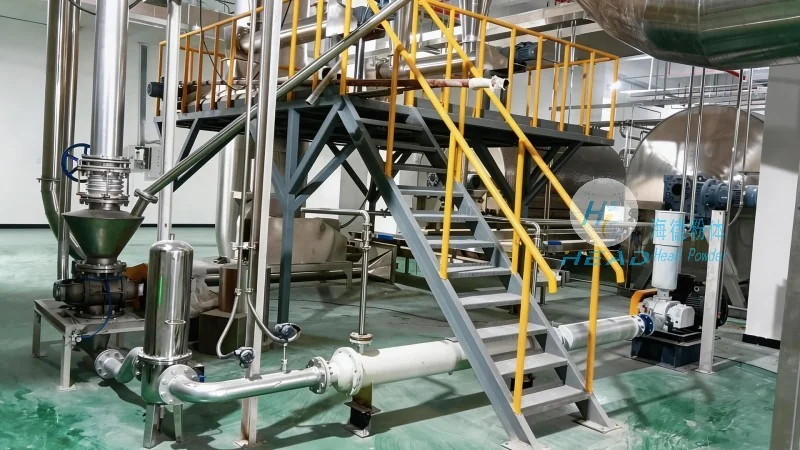
Ternary lithium batteries, known for their high energy density and performance, are widely used in electric vehicles, energy storage systems, and portable electronics. The materials used in these batteries, such as lithium cobalt oxide (NCA), lithium nickel manganese cobalt oxide (NMC), and lithium nickel cobalt aluminum oxide (NCA), require precise handling to maintain their quality and prevent damage. During the manufacturing process, these materials need to be transported from one stage to another, from raw material storage to mixing, coating, and final assembly. The transport method must ensure minimal material degradation, prevent contamination, and comply with safety regulations. This is where specialized transport solutions come into play.
Several transport methods are employed in the production of ternary lithium batteries, each with its own advantages and limitations. The most common methods include mechanical conveying systems like belt conveyors, screw conveyors, and bucket elevators, as well as pneumatic conveying systems. Mechanical systems are generally used for bulk materials and are cost-effective for certain applications. However, they may not be suitable for fine powders or materials that are sensitive to friction and impact. Pneumatic conveying, particularly gas-pneumatic transport, offers a more controlled and gentle handling of materials, making it ideal for sensitive lithium battery components.
Gas-pneumatic transport, also known as pneumatic conveying, uses compressed air to move materials through a pipeline system. This method is particularly effective for transporting fine powders and granules, such as those used in ternary lithium battery production. The key advantages of gas-pneumatic transport include:
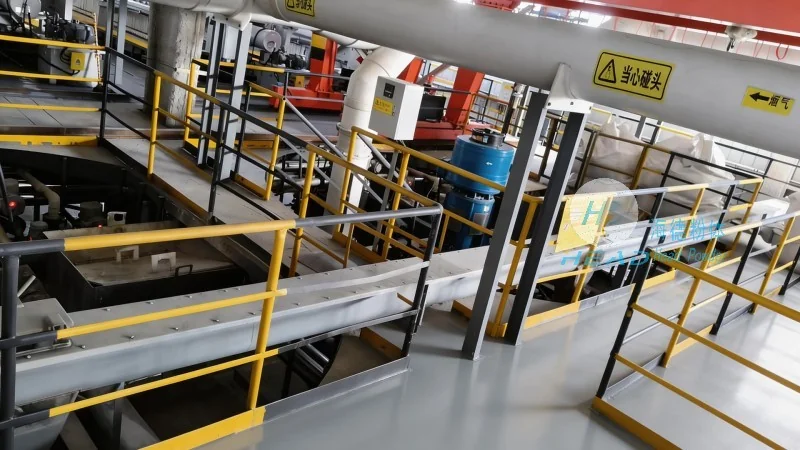
For ternary lithium batteries, the choice of gas-pneumatic transport is often preferred due to its ability to handle fine powders without compromising material integrity. The system can be designed with features such as low-pressure or high-pressure conveying, depending on the specific requirements of the production process. This flexibility allows manufacturers to optimize their transport solutions for maximum efficiency and cost-effectiveness.
Shandong HeadPowder Engineering Co., Ltd., a leading provider of powder handling and transport solutions, specializes in designing and manufacturing gas-pneumatic transport systems tailored for the lithium battery industry. With years of experience in the field, HeadPowder understands the unique challenges of handling ternary lithium materials and has developed innovative solutions to address them.
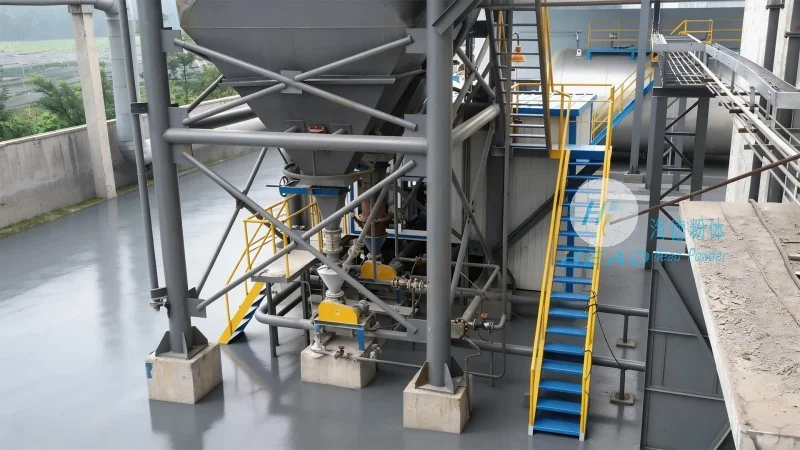
HeadPowder's gas-pneumatic transport systems are engineered to meet the stringent requirements of lithium battery production. The company utilizes advanced materials and design principles to ensure the durability and reliability of its equipment. For example, the transport pipelines are made from corrosion-resistant materials to prevent contamination from the battery materials. The air filtration systems are designed to capture and remove any fine particles, maintaining a clean and safe working environment.
HeadPowder also offers customized solutions to suit the specific needs of each client. Whether it's a small-scale production facility or a large-scale manufacturing plant, the company can design a transport system that integrates seamlessly with existing production lines. The company's team of engineers works closely with clients to understand their production processes and recommend the most suitable transport solutions.
In conclusion, the selection of an appropriate transport method for ternary lithium batteries is a critical decision that impacts production efficiency, material quality, and operational safety. While mechanical conveying systems have their place, gas-pneumatic transport offers superior advantages for handling sensitive battery materials. Shandong HeadPowder Engineering Co., Ltd. provides reliable and customized gas-pneumatic transport solutions that meet the demands of the lithium battery industry, ensuring the safe and efficient handling of ternary lithium materials.

 Shandong Headpowder Engineering Co., Ltd.
 156-6277-7102(Manager Zhang)
  0531-83386006
  Zhangqiu District, Jinan City, Shandong Province, China
telephone
WeChatconsult
top