With more than 10‑year industry experience, Shandong Headpowder delivers full‑service pneumatic‑conveying systems and blowers, undertaking nationwide turn‑key powder‑handling projects.
Straw ash, a byproduct of biomass combustion processes, presents unique challenges in handling and transportation due to its fine particle size and potential for dust generation. Effective conveyance systems are crucial for ensuring efficient material movement while maintaining safety and environmental standards. Among the various methods available, air-pneumatic conveying stands out as a versatile and efficient solution for straw ash transport. This article explores common straw ash conveying methods, with a focus on the air-pneumatic approach, and highlights the capabilities of Shandong HeadPowder Engineering Co., Ltd. as a leading provider in this field.
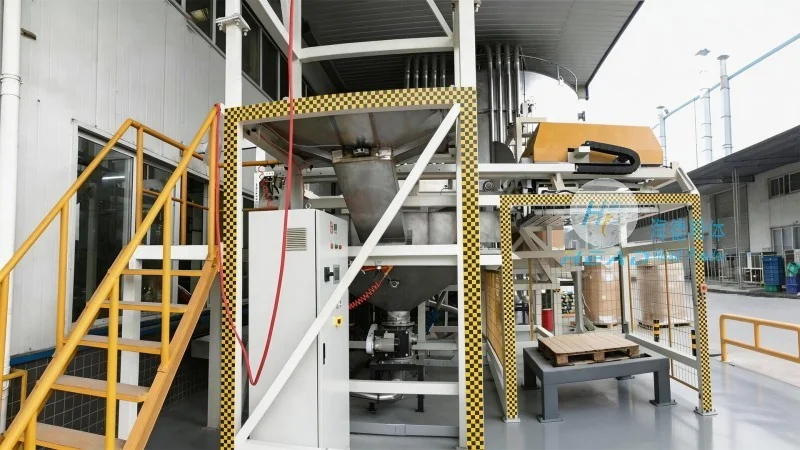
Straw ash, derived from the combustion of agricultural residues like straw, is characterized by its lightweight, fine particles and high dust content. These properties make traditional bulk material handling methods, such as belt conveyors or screw conveyors, less effective. Belt conveyors, for instance, may suffer from material buildup and increased friction, leading to higher maintenance costs and potential blockages. Screw conveyors, while suitable for some dry materials, can struggle with fine, dusty powders due to the risk of clogging and material degradation. The need for systems that can handle these characteristics efficiently drives the adoption of advanced conveying technologies.
Several methods are employed for straw ash transport, each with its own advantages and limitations. Traditional gravity-based systems, such as chutes or hoppers, are simple but often inefficient for fine powders, as they rely on particle size and density to move material. Mechanical conveyors, including belt and screw conveyors, are widely used but may require frequent cleaning and maintenance to prevent clogging. However, for straw ash, these systems may not provide the necessary control over dust and material flow. In contrast, pneumatic conveying systems offer a more controlled and flexible approach to handling fine powders.
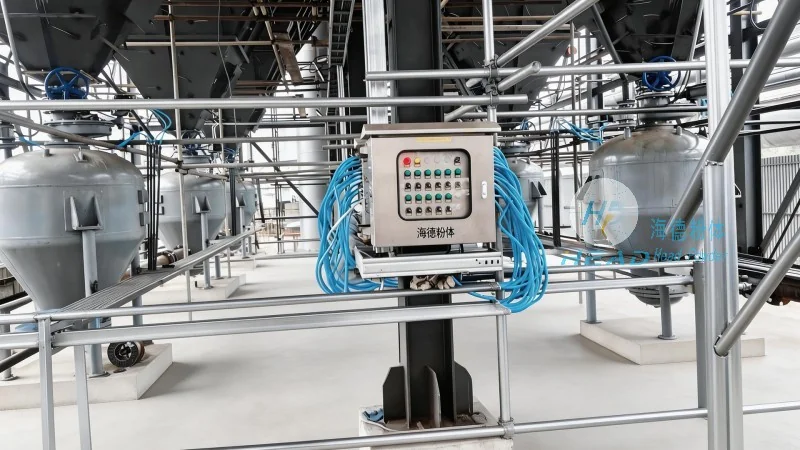
Air-pneumatic conveying, also known as pneumatic transport, utilizes compressed air to move material through a pipeline. This method is particularly effective for straw ash due to its ability to handle fine particles, minimize dust dispersion, and maintain consistent flow rates. The system typically consists of a blower, a hopper for material storage, and a pipeline network that transports the ash to the destination. The compressed air creates a flow that carries the particles, preventing clogging and ensuring smooth operation. This approach is especially beneficial in environments where dust control is critical, as the system can be enclosed to contain particulate emissions.
Compared to other methods, air-pneumatic conveying offers several key advantages for straw ash transport. First, it provides excellent dust control, as the material is contained within the pipeline and the system can be designed with dust collection and filtration components. This reduces environmental impact and improves workplace safety. Second, the system is highly flexible, allowing for changes in material flow direction and destination without significant modifications. Third, it minimizes material degradation, as the particles are not subjected to excessive friction or impact during transport. Additionally, air-pneumatic conveying can handle a wide range of particle sizes and moisture contents, making it suitable for various straw ash compositions.
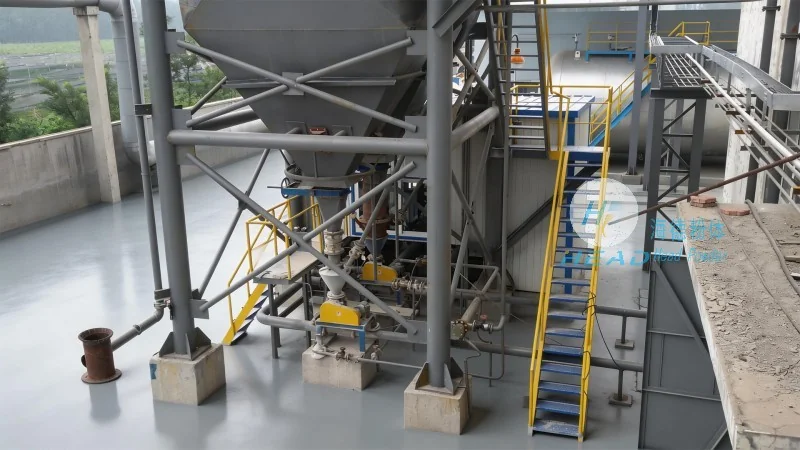
Shandong HeadPowder Engineering Co., Ltd. specializes in designing and manufacturing advanced air-pneumatic conveying systems tailored to the unique needs of straw ash handling. With years of experience in the field, the company has developed customized solutions that address the challenges of fine particle transport and dust control. HeadPowder's systems are engineered to ensure high efficiency, reliability, and safety, meeting the demands of industrial applications. The company's commitment to quality and innovation has made it a trusted partner for clients seeking effective straw ash conveying solutions.
In summary, air-pneumatic conveying is a superior method for transporting straw ash compared to traditional mechanical systems. Its ability to handle fine particles, control dust, and provide flexible operation makes it an ideal choice for biomass processing facilities. Shandong HeadPowder Engineering Co., Ltd. offers comprehensive solutions that leverage this technology, ensuring efficient and safe straw ash transport. By choosing HeadPowder's systems, clients can enhance their operational efficiency while maintaining environmental and safety standards.

 Shandong Headpowder Engineering Co., Ltd.
 156-6277-7102(Manager Zhang)
  0531-83386006
  Zhangqiu District, Jinan City, Shandong Province, China
telephone
WeChatconsult
top