With more than 10‑year industry experience, Shandong Headpowder delivers full‑service pneumatic‑conveying systems and blowers, undertaking nationwide turn‑key powder‑handling projects.
When it comes to transporting cement efficiently and safely, understanding the various delivery methods available is crucial for industrial operations. Cement, being a fine powder, requires specialized handling to prevent dust, ensure consistent flow, and maintain quality throughout the process. Among the diverse options, pneumatic conveying stands out as a highly effective and versatile solution for cement transportation. This article explores common cement delivery methods, with a focus on the advantages and applications of cement pneumatic conveying systems.
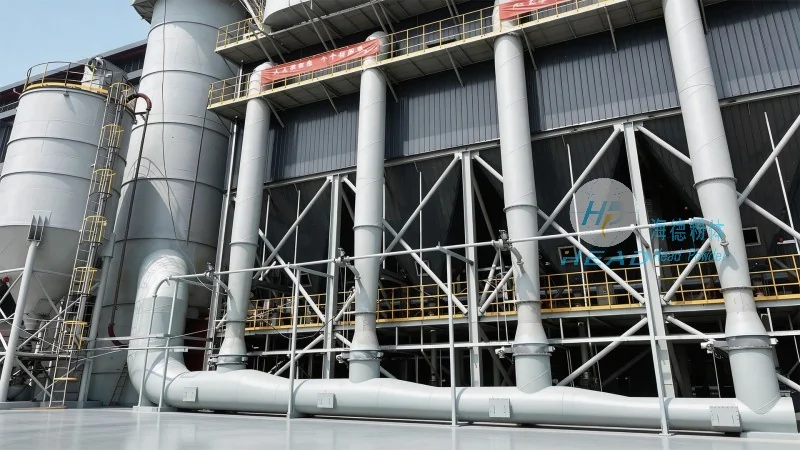
Traditional cement delivery often relies on mechanical systems such as screw conveyors, belt conveyors, or bucket elevators. While these methods are widely used, they may face challenges like material degradation, high maintenance costs, and limited flexibility in handling varying volumes. In contrast, pneumatic conveying systems offer a more advanced approach by utilizing air pressure to move cement through pipelines, providing a closed-loop system that minimizes dust exposure and enhances operational efficiency.
One of the primary benefits of cement pneumatic conveying is its ability to handle fine powders without degradation. Unlike mechanical conveyors that can cause friction and particle breakdown, pneumatic systems use air to gently transport cement, preserving its quality and reducing the risk of clogging. Additionally, these systems are highly flexible, allowing for multiple delivery points and easy integration into existing production lines. The closed-loop design also contributes to better environmental control, as it prevents dust from escaping into the environment, aligning with modern industrial standards for safety and sustainability.
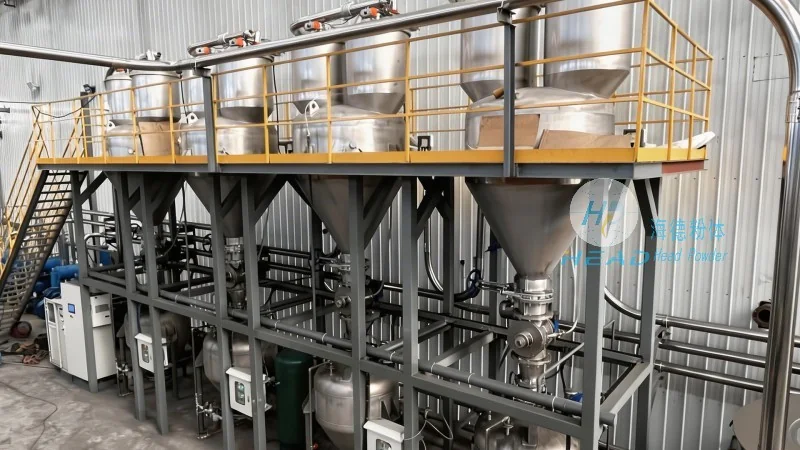
Cement pneumatic conveying systems typically operate on the principle of creating a pressure differential between the source and destination points. There are two main types: pressure and vacuum systems. In pressure systems, compressed air is used to push cement from the storage silo to the point of use, while vacuum systems draw cement using a vacuum pump. Both methods ensure a continuous and controlled flow of cement, adapting to varying demand without interruptions. The system components include a hopper, feeder, conveying line, and receiver, all designed to work in harmony to deliver cement efficiently.
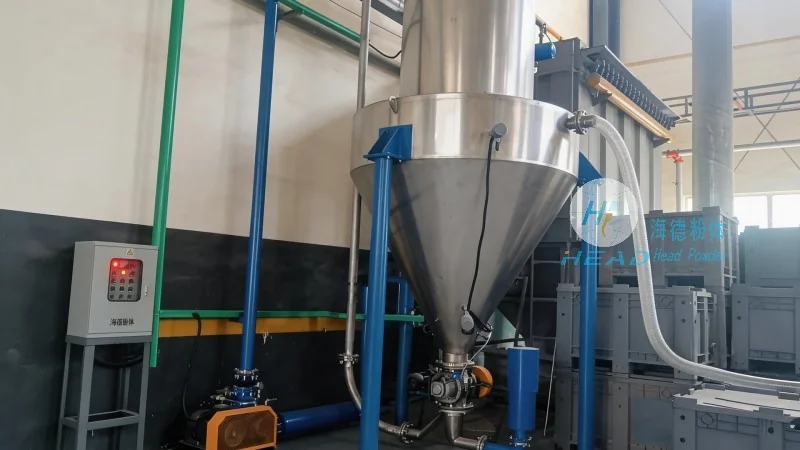
Cement pneumatic conveying is widely used in various stages of cement production and distribution. In manufacturing plants, it facilitates the transfer of raw materials and finished cement from storage silos to processing units or packaging areas. During distribution, these systems enable the transport of cement from production sites to construction sites or bulk storage facilities, ensuring timely delivery and reducing handling time. The adaptability of pneumatic systems makes them suitable for both small-scale and large-scale operations, catering to the needs of different industries, including construction, manufacturing, and infrastructure development.
When considering the implementation of a cement pneumatic conveying system, several factors must be evaluated. The first is the specific characteristics of the cement being handled, such as particle size, moisture content, and flowability, as these affect the system's design and performance. Additionally, the distance and layout of the conveying route are critical, as they determine the required air pressure and system capacity. Maintenance and operational costs are also important considerations, as pneumatic systems require regular checks of air filters, seals, and pumps to ensure optimal performance. By addressing these factors, industrial facilities can select and implement a system that meets their specific requirements while maximizing efficiency and minimizing downtime.

 Shandong Headpowder Engineering Co., Ltd.
 156-6277-7102(Manager Zhang)
  0531-83386006
  Zhangqiu District, Jinan City, Shandong Province, China
telephone
WeChatconsult
top