With more than 10‑year industry experience, Shandong Headpowder delivers full‑service pneumatic‑conveying systems and blowers, undertaking nationwide turn‑key powder‑handling projects.
Silica sand, a critical raw material in sectors like glass manufacturing, foundry, and construction, demands efficient transportation solutions. The silica sand pneumatic conveying system, or pneumatic conveyor, addresses these needs by utilizing compressed air or vacuum to move dry, granular materials through pipelines. This article explores the fundamental concepts of silica sand pneumatic conveyors, focusing on their design principles and operational effectiveness.
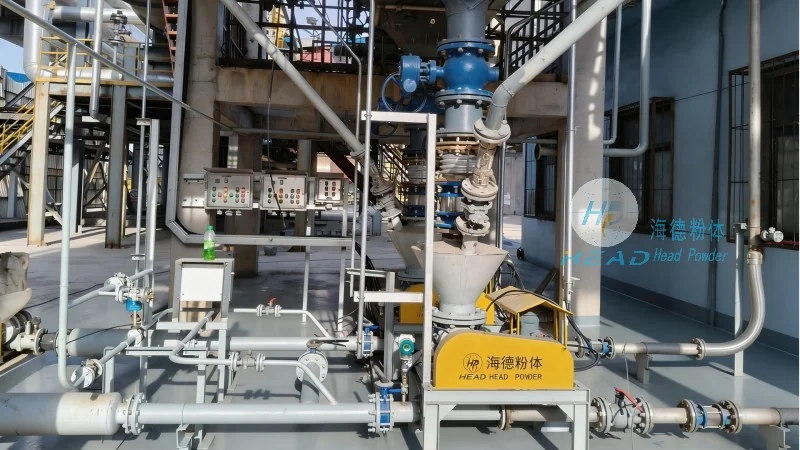
A silica sand pneumatic conveyor is a mechanical system designed to transport abrasive and high-volume materials like silica sand. Unlike traditional mechanical conveyors that rely on belts or screws, pneumatic systems employ air pressure to move the material, offering advantages such as reduced dust generation, flexible layout, and safe operation in hazardous environments. The system typically includes a feeder, conveying line, separator, and collection hopper, all working together to ensure efficient and safe material transport from source to destination.
The design of a silica sand pneumatic conveyor is rooted in fluidization and air flow dynamics. The primary principle is to generate consistent air flow that lifts and transports silica sand particles through the pipeline. This is achieved by controlling air pressure and velocity. The system operates under positive pressure (compressed air pushing material) or negative pressure (vacuum pulling material), with positive pressure preferred for silica sand due to better flow control and reduced blockage risk. Design considerations also include material characteristics, pipeline length, and required air velocity to ensure efficient transport.
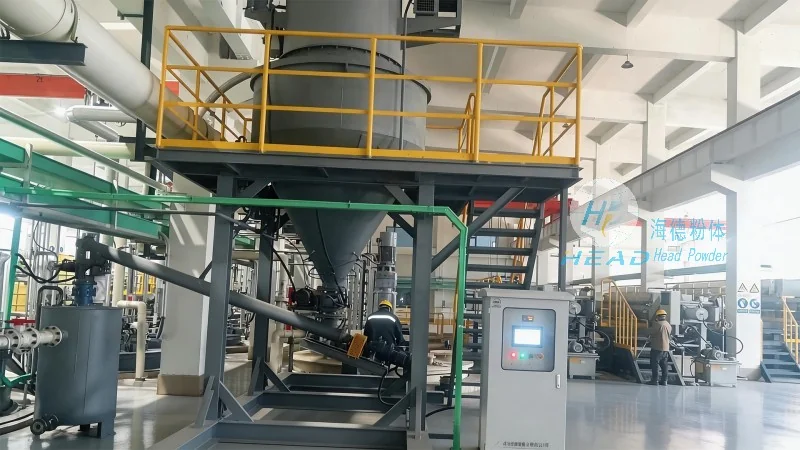
Several critical components enable the effective operation of silica sand pneumatic conveyors. The feeder, such as a star valve or screw feeder, introduces silica sand into the system at a controlled rate, preventing overloading or underloading. The conveying line, often made of stainless steel or corrosion-resistant materials, handles the abrasive nature of silica sand. Its diameter and length are optimized to maintain the required air velocity. The separator, typically a cyclone or bag filter, separates silica sand from air after pipeline exit, ensuring clean, dry material collection. Finally, the collection hopper stores conveyed sand for further processing, completing the system.
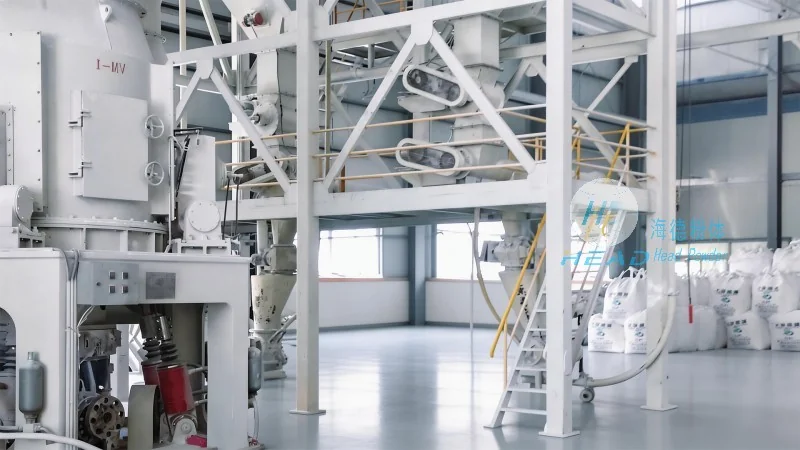
Silica sand pneumatic conveyors are widely used in industries requiring large volumes of dry granular materials. In the glass industry, they transport sand from storage to melting furnaces. In foundries, they move sand for mold making and casting. Key benefits include improved safety from reduced dust exposure, increased material handling efficiency, and lower maintenance costs compared to mechanical conveyors. The flexibility of pneumatic systems allows easy integration into existing production lines and long-distance transport without multiple transfer points.
Shandong HeadPowder Engineering Co., Ltd. is a leading manufacturer specializing in industrial conveying equipment, including silica sand pneumatic conveying systems. With extensive industry experience, the company develops advanced solutions tailored to silica sand handling needs. HeadPowder engineers use cutting-edge technology and rigorous testing to ensure high performance, reliability, and durability. The company’s commitment to quality and customer satisfaction has established it as a trusted partner for businesses in glass, foundry, and construction sectors. By leveraging expertise in material handling and pneumatic systems, HeadPowder provides customized solutions that enhance operational efficiency and reduce costs for clients.

 Shandong Headpowder Engineering Co., Ltd.
 156-6277-7102(Manager Zhang)
  0531-83386006
  Zhangqiu District, Jinan City, Shandong Province, China
telephone
WeChatconsult
top