With more than 10‑year industry experience, Shandong Headpowder delivers full‑service pneumatic‑conveying systems and blowers, undertaking nationwide turn‑key powder‑handling projects.
Understanding dust pneumatic conveying systems is crucial for industries dealing with fine particulate materials. These systems are engineered to transport dry powders and granular materials through a pipeline using compressed air or other gas streams. The core function is to move bulk materials from one location to another without the need for mechanical components like belts or buckets, which can be prone to wear and maintenance issues.
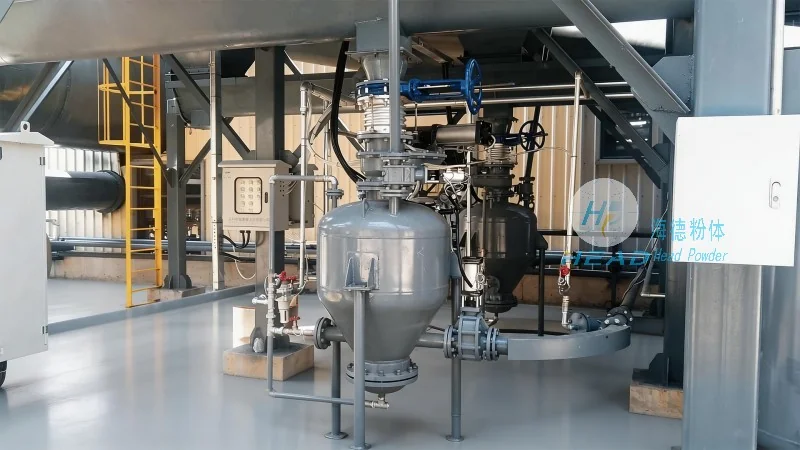
At the heart of any dust pneumatic conveying system are several critical components that work in tandem to ensure efficient material transport. The main elements include the material feed hopper, which holds the bulk material and regulates its flow into the system. The air supply unit, typically a blower or compressor, generates the necessary pressure to move the material through the pipeline. The pipeline itself, often made of stainless steel or other corrosion-resistant materials, forms the path for the material and air mixture. Additionally, there are control valves and regulators that manage the air pressure and flow rate, ensuring optimal performance. A dust separator or cyclone is also integral, as it separates the material from the air stream at the discharge end, allowing the air to be recycled or vented while the material is collected.
The design of a dust pneumatic conveying system follows specific principles to maximize efficiency and minimize operational issues. One of the primary principles is maintaining a consistent air-to-material ratio. This ratio is critical because it determines the velocity of the material particles within the pipeline. If the air velocity is too low, the material may settle and cause blockages; if it's too high, excessive energy consumption and potential damage to the material or equipment may occur. Engineers calculate the optimal air velocity based on the material's properties, such as particle size, density, and flowability, to ensure smooth transport.
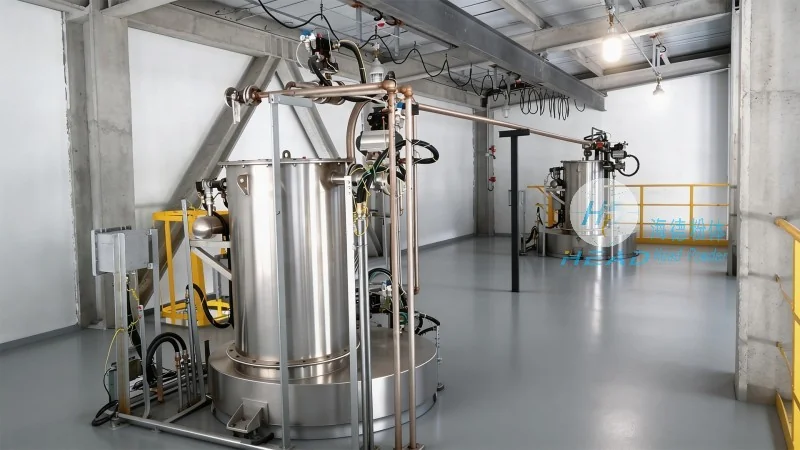
Another key design principle is the system's pressure classification. Dust pneumatic conveying systems can be categorized into two main types: positive pressure and negative pressure. Positive pressure systems use a blower to force air and material through the pipeline, making them suitable for long-distance or high-rise applications. Negative pressure systems, on the other hand, use a vacuum to draw material into the system, which is ideal for short-distance or low-rise setups. The choice between these systems depends on the specific application requirements, including the distance between the feed and discharge points, the height difference, and the material's characteristics.
Implementing a dust pneumatic conveying system offers several advantages over traditional mechanical conveying methods. One of the most significant benefits is the elimination of mechanical components, which reduces maintenance costs and downtime. Unlike belt conveyors or screw conveyors, which can suffer from wear and tear, pneumatic systems have fewer moving parts, leading to lower operational expenses over time. Additionally, these systems are highly flexible, as they can be easily reconfigured or expanded to accommodate changing production needs. They also provide better material containment, as the pipeline is sealed, preventing dust emissions and protecting the environment. This makes them suitable for applications where dust control is a priority, such as in pharmaceutical or food processing industries.
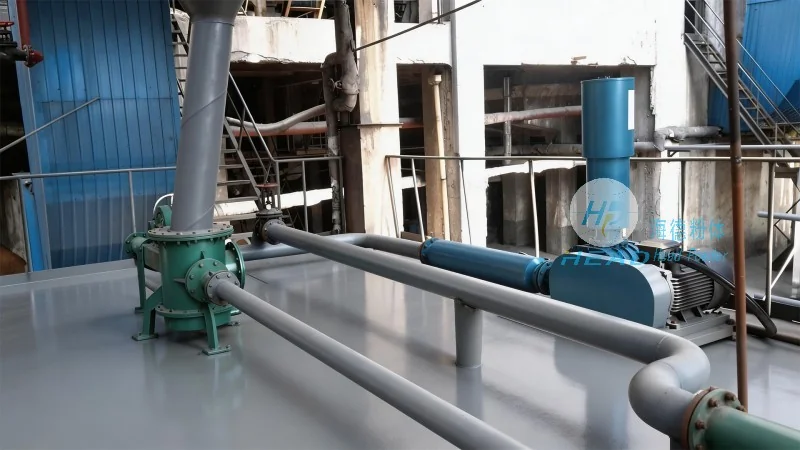
Dust pneumatic conveying systems are widely used across multiple industries due to their versatility and efficiency. In the chemical industry, they are used to transport powders like pigments, catalysts, and reagents, ensuring precise dosing and minimal contamination. The food and beverage industry utilizes these systems for handling ingredients like flour, sugar, and spices, maintaining hygiene standards and preventing cross-contamination. In the pharmaceutical sector, dust pneumatic conveying is essential for transporting active pharmaceutical ingredients (APIs) and excipients, as it provides a clean and controlled environment. The mining and mineral processing industry also benefits from these systems, as they can handle abrasive and corrosive materials like ores and minerals. Furthermore, in the agricultural sector, dust pneumatic conveying is used to transport grain, feed, and other agricultural products, improving efficiency in storage and processing operations.
In conclusion, dust pneumatic conveying systems are a reliable and efficient solution for transporting dry powders and granular materials. Their design principles, which focus on maintaining optimal air-to-material ratios and selecting the appropriate pressure system, ensure smooth and consistent operation. The advantages of reduced maintenance, flexibility, and improved material containment make these systems a preferred choice for many industries. As technology advances, these systems continue to evolve, offering even more efficient and sustainable solutions for material handling. For companies seeking to optimize their material transport processes, understanding the design and benefits of dust pneumatic conveying systems is a critical step toward improving operational efficiency and reducing costs.

 Shandong Headpowder Engineering Co., Ltd.
 156-6277-7102(Manager Zhang)
  0531-83386006
  Zhangqiu District, Jinan City, Shandong Province, China
telephone
WeChatconsult
top