With more than 10‑year industry experience, Shandong Headpowder delivers full‑service pneumatic‑conveying systems and blowers, undertaking nationwide turn‑key powder‑handling projects.
Lithium hydroxide is a critical chemical compound widely used in various industries, including battery manufacturing, pharmaceuticals, and chemical processing. The efficient and safe transportation of this material is essential for industrial operations. A pneumatic conveying system is a technology that uses air or other gases to move bulk materials like lithium hydroxide from one location to another. This article explores the concept of a lithium hydroxide pneumatic conveying system and delves into its design principles, components, and practical applications.
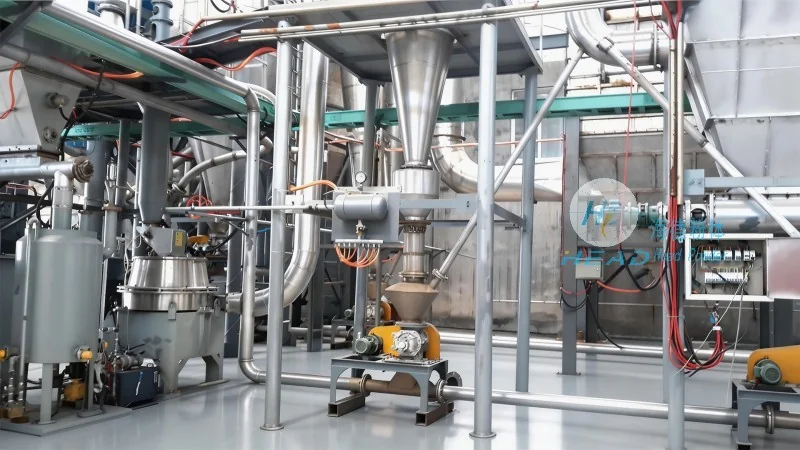
A lithium hydroxide pneumatic conveying system is a specialized equipment setup designed to transport lithium hydroxide powder or granules through a pipeline using air pressure. Unlike traditional mechanical conveying methods, such as screw conveyors or belt conveyors, pneumatic conveying relies on the force of moving air to propel the material. This method offers several advantages, including the ability to handle fine powders without clogging, reduced risk of contamination, and the flexibility to transport materials over long distances or through complex layouts.
The design of a lithium hydroxide pneumatic conveying system is based on fundamental principles of fluid dynamics and material handling. The system typically consists of a material feed hopper, a conveying pipeline, a venturi or airlock mechanism, and a dust collection or filtration system. The key design considerations include the material's properties—such as its particle size, density, and flowability—and the required conveying distance and throughput. Engineers must calculate the appropriate air velocity, pressure, and flow rate to ensure efficient and reliable transport without causing material degradation or system damage.
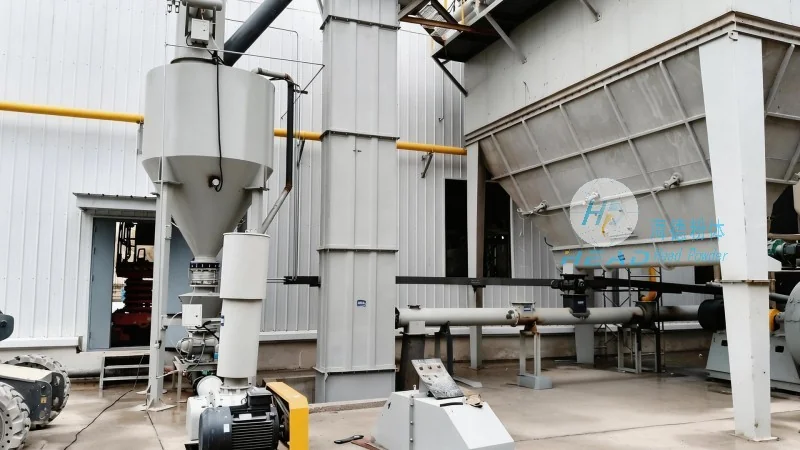
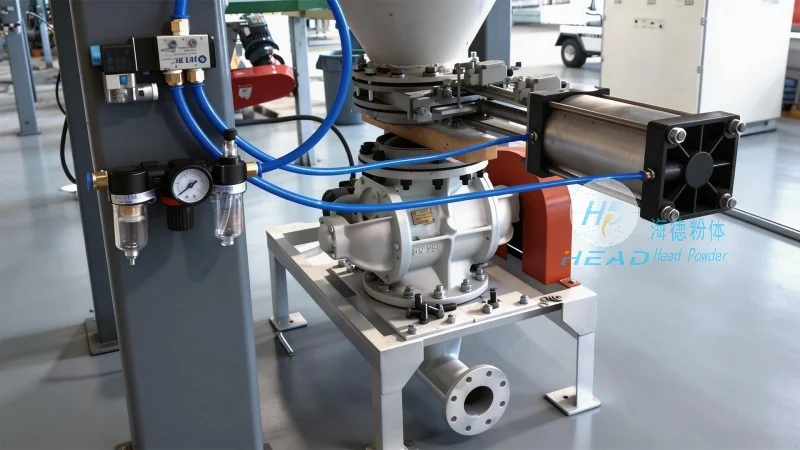
Several critical components work together to ensure the smooth operation of a lithium hydroxide pneumatic conveying system. The material feed hopper is responsible for storing and feeding the lithium hydroxide into the system. It is designed to prevent material bridging or caking, which can impede the flow. The conveying pipeline is usually made of corrosion-resistant materials, such as stainless steel, to withstand the chemical properties of lithium hydroxide and prevent contamination. The venturi or airlock mechanism is the heart of the system, where air is introduced to create a pressure differential that propels the material through the pipeline. The dust collection or filtration system is essential for maintaining air quality and preventing the release of fine particles into the environment.
Lithium hydroxide pneumatic conveying systems are widely used in industrial settings where the safe and efficient handling of lithium hydroxide is crucial. These systems are commonly employed in battery manufacturing plants, where lithium hydroxide is used as a precursor for lithium-ion batteries. They are also used in chemical processing facilities, pharmaceutical production lines, and research laboratories. The benefits of using a pneumatic conveying system for lithium hydroxide include improved safety by minimizing manual handling, reduced operational costs due to lower maintenance requirements compared to mechanical systems, and enhanced product quality by preventing contamination and degradation during transport.
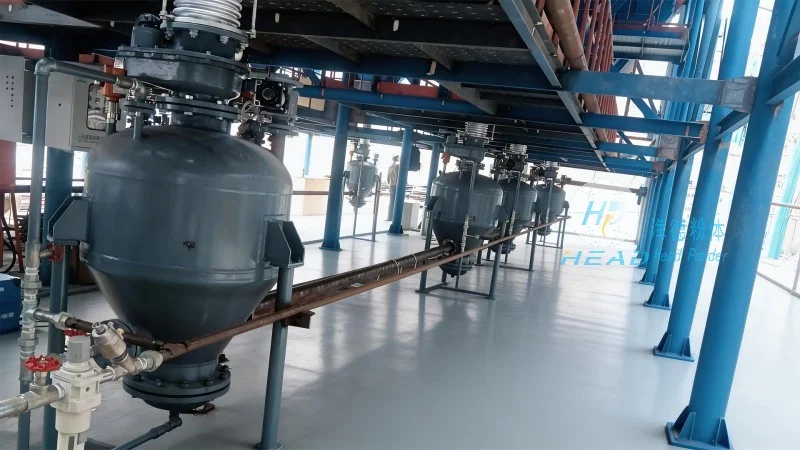
Shandong HeadPowder Engineering Co., Ltd., commonly known as HeadPowder, is a leading engineering company specializing in the design, manufacturing, and installation of bulk material handling systems. With a strong focus on innovation and customer satisfaction, HeadPowder provides comprehensive solutions for pneumatic conveying systems, including lithium hydroxide handling. The company's team of experienced engineers and technicians leverages advanced technology and industry best practices to deliver high-quality, reliable systems that meet the specific needs of clients. HeadPowder is committed to providing sustainable and efficient material handling solutions that enhance operational efficiency and safety for its clients.
HeadPowder is located in Shandong, China, and serves clients globally with its expertise in bulk material handling. The company's address is in Shandong, China, and it is dedicated to providing top-tier engineering services for pneumatic conveying systems and other material handling solutions.

 Shandong Headpowder Engineering Co., Ltd.
 156-6277-7102(Manager Zhang)
  0531-83386006
  Zhangqiu District, Jinan City, Shandong Province, China
telephone
WeChatconsult
top