With more than 10‑year industry experience, Shandong Headpowder delivers full‑service pneumatic‑conveying systems and blowers, undertaking nationwide turn‑key powder‑handling projects.
Wood chip pneumatic conveying systems are essential equipment in the wood processing industry, designed to transport wood chips efficiently from one location to another. These systems utilize air as the primary medium to move the material, offering a dust-free and continuous operation that is crucial for maintaining product quality and workplace safety. The core of such a system lies in its ability to handle wood chips, which are often irregular in shape and size, requiring a robust design to ensure reliable and efficient transport.
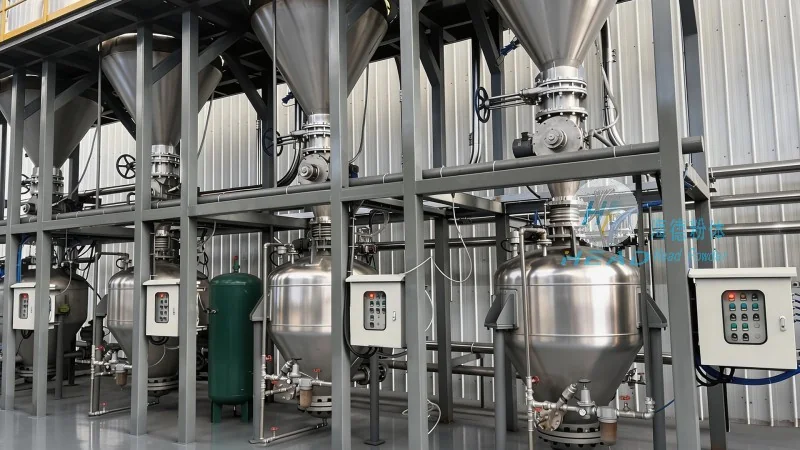
At the heart of a wood chip pneumatic conveying system is the design principle of using air pressure to move the material. The system typically consists of a hopper, a blower or compressor, a pipeline, and a receiver. The process begins when wood chips are fed into the hopper. The blower then generates a flow of air, which is introduced into the pipeline, creating a pressure differential that propels the chips forward. This design allows for the transportation of wood chips over long distances and at varying heights, making it suitable for various wood processing facilities, from sawmills to biomass energy plants.
The design of a wood chip pneumatic conveying system must consider several key factors to ensure optimal performance. First, the material's properties, such as density, moisture content, and particle size distribution, are critical. These factors influence the air velocity required to move the chips without causing blockages or excessive wear on the system components. Second, the system's layout, including the length and elevation changes of the pipeline, must be carefully planned. Properly sized pipelines and appropriate air flow rates are essential to maintain the conveying efficiency and prevent material degradation. Third, the selection of components, including the blower, hopper, and receiver, must be tailored to the specific application. For instance, a high-pressure blower may be needed for long-distance transport, while a low-pressure system is suitable for shorter distances with minimal elevation changes.
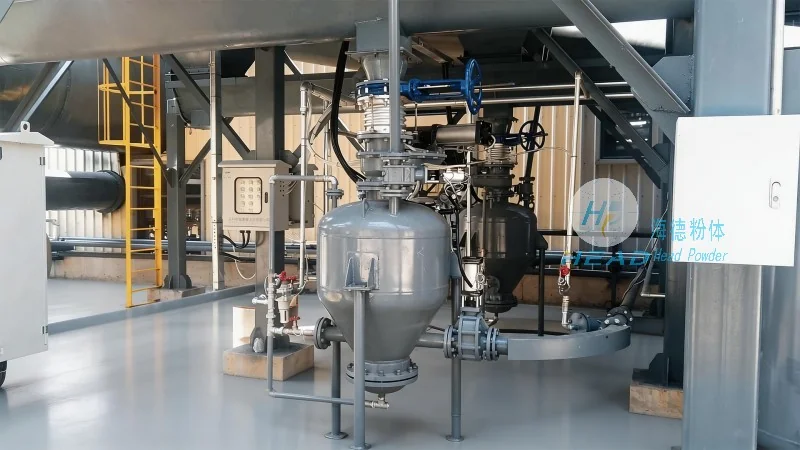
HeadPowder, a leading manufacturer in the field, specializes in designing and manufacturing wood chip pneumatic conveying systems that meet the highest industry standards. With years of experience in the wood processing industry, HeadPowder understands the unique challenges of handling wood chips and has developed innovative solutions to address them. The company's systems are engineered to provide reliable, efficient, and cost-effective transportation of wood chips, ensuring that clients can achieve their production goals while maintaining product quality and operational safety.
One of the key advantages of a wood chip pneumatic conveying system is its ability to handle a wide range of wood chip sizes and types. Whether it's sawdust, shavings, or larger wood chips, the system can be configured to handle different materials without compromising performance. This versatility makes it an ideal solution for various wood processing applications, including chip drying, pellet production, and biomass fuel preparation. Additionally, the system's dust-free operation reduces the risk of respiratory issues for workers and minimizes the need for additional dust control measures, contributing to a safer working environment.
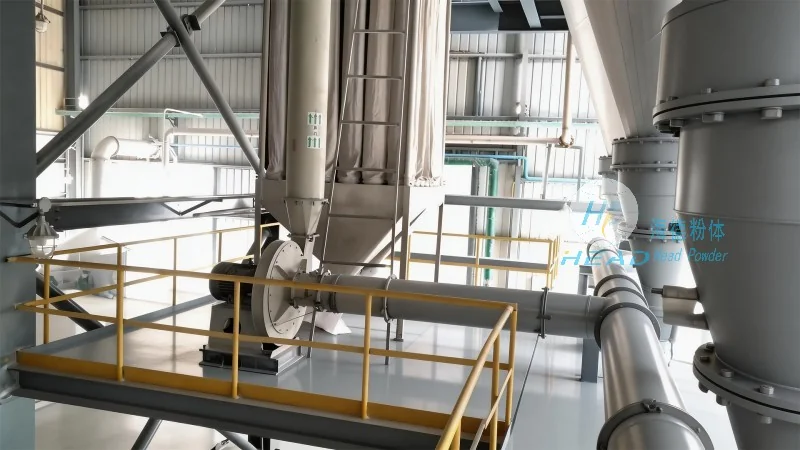
The design of a wood chip pneumatic conveying system also considers the environmental impact and energy efficiency. Modern systems are designed to minimize energy consumption while maximizing conveying efficiency. This is achieved through the use of high-efficiency blowers, optimized pipeline designs, and proper air flow management. By reducing energy costs and minimizing emissions, these systems contribute to a more sustainable wood processing operation. HeadPowder's commitment to sustainability is reflected in their product design, which prioritizes energy efficiency and environmental responsibility.
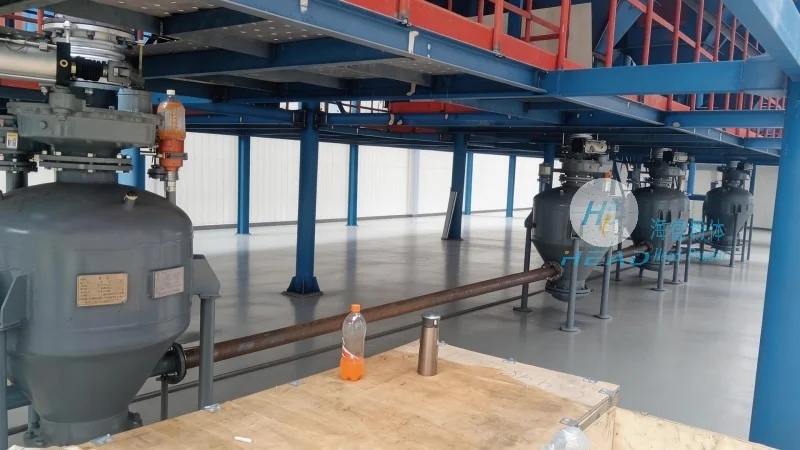
When considering a wood chip pneumatic conveying system, it is essential to evaluate the specific requirements of the application. Factors such as the distance to be covered, the elevation change, the material characteristics, and the desired throughput rate must be carefully assessed. A well-designed system will not only meet the current needs but also allow for future expansion and adaptation to changing production demands. HeadPowder's team of engineers works closely with clients to understand their unique needs and provides customized solutions that are tailored to their specific requirements. This collaborative approach ensures that the final system is not only efficient but also cost-effective and reliable.
In conclusion, wood chip pneumatic conveying systems are a vital component of modern wood processing facilities, offering efficient and reliable transportation of wood chips. The design principles behind these systems, combined with the expertise of manufacturers like HeadPowder, ensure that they can handle the unique challenges of wood chip handling while providing a safe and sustainable operation. By investing in a well-designed pneumatic conveying system, wood processing companies can improve their productivity, maintain product quality, and enhance workplace safety.

 Shandong Headpowder Engineering Co., Ltd.
 156-6277-7102(Manager Zhang)
  0531-83386006
  Zhangqiu District, Jinan City, Shandong Province, China
telephone
WeChatconsult
top