With more than 10‑year industry experience, Shandong Headpowder delivers full‑service pneumatic‑conveying systems and blowers, undertaking nationwide turn‑key powder‑handling projects.
Understanding the mechanics and design principles of a tailings powder slag pneumatic conveying system is crucial for optimizing material handling in mining and industrial waste management operations. This system represents a sophisticated approach to transporting fine particulate materials, such as tailings from mining operations and slag from industrial processes. The technology not only enhances operational efficiency but also contributes to safer and more environmentally friendly processes.
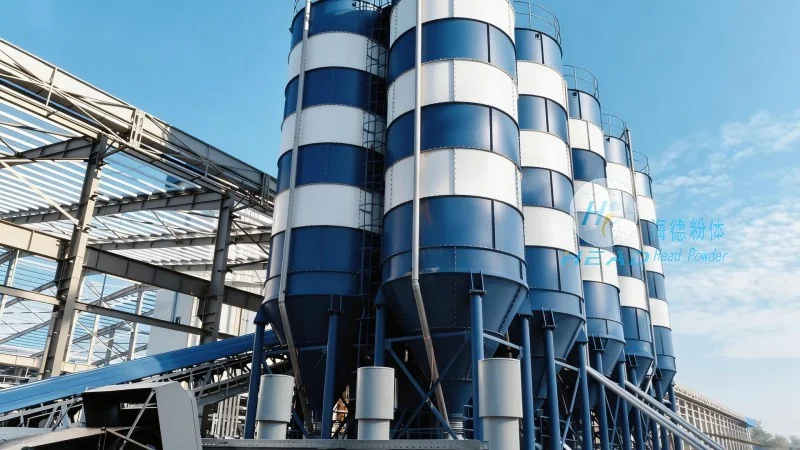
A tailings powder slag pneumatic conveying system is a specialized equipment setup designed to transport dry or semi-dry powders and fine particulate materials, including tailings from mining operations and slag from industrial processes. Unlike traditional bulk material handling methods like trucks or conveyor belts, pneumatic conveying systems use air pressure to move materials through a network of pipes. This method is particularly advantageous for handling materials that are difficult to transport via conventional means, such as those with high moisture content or abrasive properties.
The effectiveness of a pneumatic conveying system for tailings and slag relies on several critical components, each playing a vital role in the overall operation. The primary components include the material feed hopper, the air compressor or blower, the conveying pipeline, the separation or cyclone unit, and the discharge outlet. The feed hopper is responsible for storing and feeding the material into the system, ensuring a consistent flow. The air compressor generates the necessary pressure to move the material through the pipeline. The conveying pipeline, typically made of durable materials like stainless steel or special alloys, transports the material and air mixture. The separation unit, often a cyclone or a filter, separates the material from the air stream, allowing the material to be discharged at the destination while the air is either recirculated or vented. The discharge outlet is where the processed material is collected for further use or disposal.
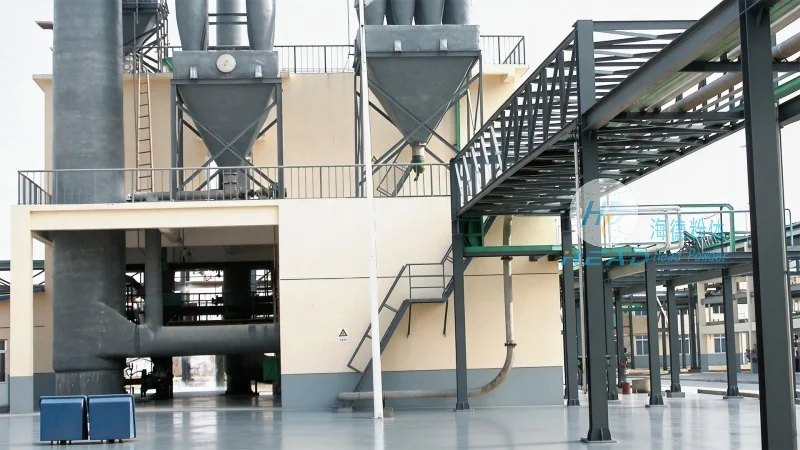
The design of a tailings powder slag pneumatic conveying system is based on several fundamental principles, including fluid dynamics, material properties, and system efficiency. The system operates on the principle of creating a high-velocity air stream that entrains the particulate material, forming a slurry-like mixture known as a "pneumatic slurry." The key design considerations include the air velocity, pressure drop, and the material's particle size and density. Engineers must calculate the appropriate air velocity to ensure that the material is fully suspended and transported without causing excessive wear on the system components. The pressure drop across the pipeline is a critical factor, as it determines the energy required to operate the system. Proper design minimizes pressure loss, thereby reducing energy consumption and operational costs. Additionally, the system's design must account for the material's abrasive nature, as tailings and slag can cause significant wear on pipes and other components. This is typically addressed through the use of wear-resistant materials and regular maintenance.
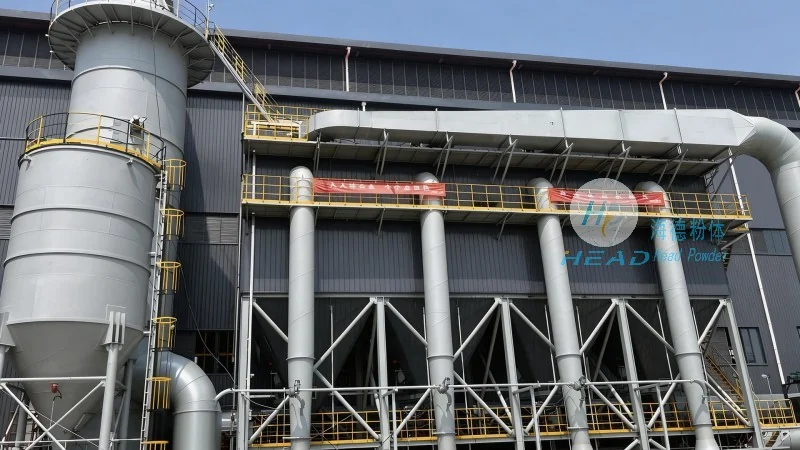
Tailings powder slag pneumatic conveying systems are widely used in the mining industry for transporting mine tailings from processing plants to disposal sites or for reprocessing. In waste management, these systems are employed to handle slag from steel mills, power plants, and other industrial facilities. The systems are particularly useful in applications where long-distance transport is required, as they can move materials over several kilometers without the need for intermediate transfer points. This capability is especially valuable in remote mining operations where access to transportation infrastructure is limited. The systems also contribute to environmental sustainability by reducing the need for trucking, which can cause traffic congestion and air pollution. By transporting materials via a closed system, the risk of dust emissions and environmental contamination is minimized.
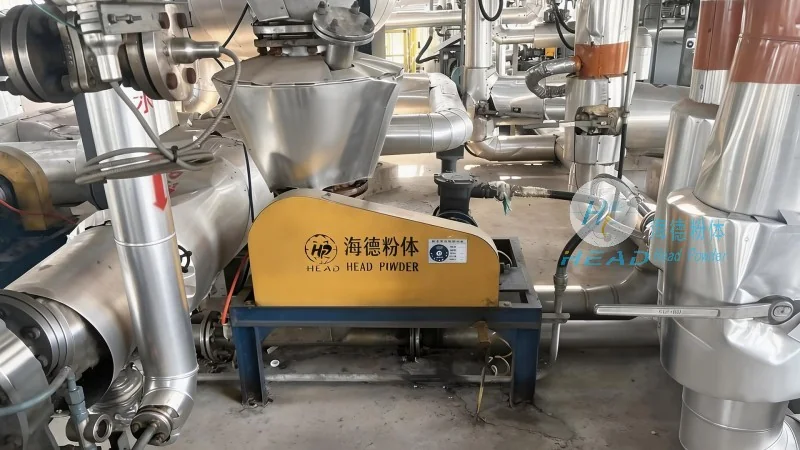
Compared to traditional material handling methods, pneumatic conveying systems offer several advantages for tailings and slag transport. One of the most significant benefits is the ability to handle fine and abrasive materials without the need for mechanical components that would quickly wear out. The system's enclosed design prevents dust from being released into the environment, improving workplace safety and reducing the risk of respiratory illnesses among workers. Additionally, pneumatic conveying systems can be designed to operate at high speeds, significantly reducing the time required to transport materials. This leads to increased productivity and lower operational costs. The flexibility of the system allows for easy integration with existing mining and industrial processes, making it a cost-effective solution for upgrading or expanding material handling capabilities. Furthermore, the system's ability to handle variable material flow rates makes it adaptable to changing production demands, ensuring consistent performance even under fluctuating conditions.
As the demand for efficient and sustainable material handling solutions in the mining and industrial sectors continues to grow, the importance of tailings powder slag pneumatic conveying systems becomes increasingly evident. These systems represent a cutting-edge technology that combines advanced engineering with practical application to address the challenges of transporting fine particulate materials. By understanding the design principles and operational mechanics of such systems, industries can optimize their processes, reduce costs, and enhance environmental performance. Shandong HeadPowder Engineering Co., Ltd., a leading provider of engineering solutions in China, specializes in designing and manufacturing customized pneumatic conveying systems tailored to the specific needs of mining and industrial clients. With a focus on innovation and quality, the company ensures that its systems meet the highest standards of performance and reliability, contributing to the success of its clients' operations. Based in Shandong, China, HeadPowder Engineering Co., Ltd. leverages its expertise and local resources to deliver comprehensive solutions that enhance material handling efficiency and environmental sustainability.

 Shandong Headpowder Engineering Co., Ltd.
 156-6277-7102(Manager Zhang)
  0531-83386006
  Zhangqiu District, Jinan City, Shandong Province, China
telephone
WeChatconsult
top