With more than 10‑year industry experience, Shandong Headpowder delivers full‑service pneumatic‑conveying systems and blowers, undertaking nationwide turn‑key powder‑handling projects.
Flaky graphite, a unique form of graphite with distinct plate-like structures, is widely used in various industrial applications due to its excellent electrical and thermal conductivity, as well as its lubricating properties. When it comes to transporting this material efficiently and safely, a flaky graphite pneumatic conveying system emerges as a highly effective solution. This article explores the fundamentals of such a system, delving into its design principles and operational capabilities.
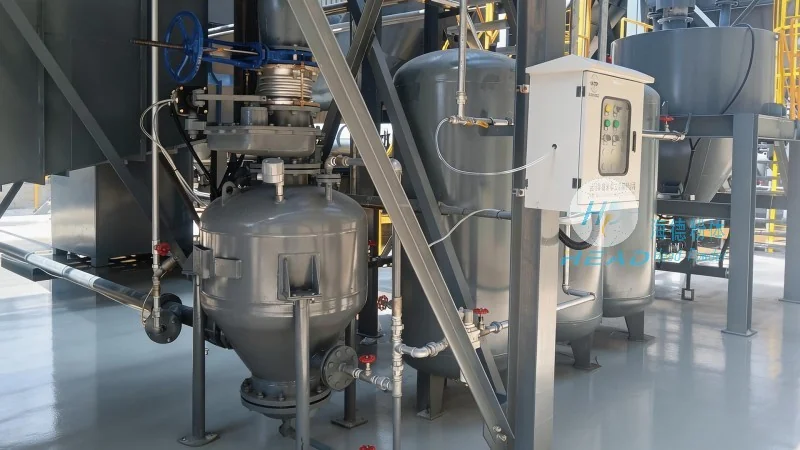
At the heart of many material handling operations is the need to move bulk materials from one location to another with precision and minimal disruption. For flaky graphite, which is often delicate and prone to agglomeration, traditional methods like belt conveyors or screw conveyors may not be suitable. A pneumatic conveying system, which uses air or gas to transport material through a pipeline, offers a non-contact, low-maintenance solution that preserves the integrity of the material. This system is particularly valuable for industries that require clean, dust-free transfer of graphite, such as battery manufacturing, refractory production, and lubricant formulation.
The flaky graphite pneumatic conveying system consists of several key components that work in tandem to achieve efficient material transport. The primary components include a hopper or feeder to introduce the material into the system, a blower or compressor to generate the air flow, a pipeline network to guide the material, and a receiver or discharge unit to collect the material at the destination. Additionally, the system may incorporate features like cyclones, filters, and dust collectors to ensure the material is conveyed without loss or contamination. Each component plays a critical role in maintaining the system's performance and ensuring the quality of the transported flaky graphite.
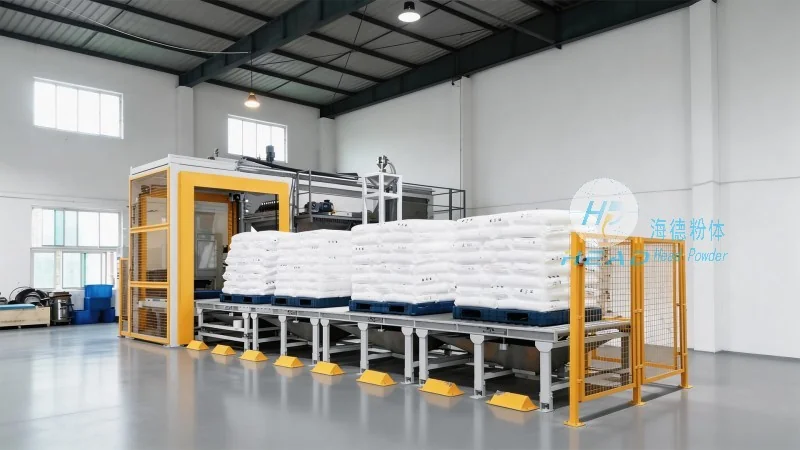
The design of a flaky graphite pneumatic conveying system is based on several fundamental principles to optimize performance and minimize operational issues. One of the key principles is the selection of the appropriate air velocity and pressure. The air velocity must be high enough to lift the material particles but low enough to prevent excessive wear on the pipeline and components. The pressure level is determined by the distance and elevation changes between the source and destination points, as well as the material's density and particle size. Another critical design principle is the use of appropriate pipeline diameter and material. The diameter is chosen based on the material flow rate and air velocity, while the material of the pipeline (e.g., stainless steel or plastic) is selected to resist corrosion and abrasion from the flaky graphite particles. The system's design also considers the need for proper sealing and maintenance to prevent air leaks and ensure consistent performance over time.
Flaky graphite's unique plate-like structure makes it susceptible to bridging, caking, and blockage in traditional conveying systems. A pneumatic conveying system addresses these challenges by using air to lift and transport the material in a fluidized state. The air flow creates a suspension of the graphite particles, preventing them from settling or agglomerating in the pipeline. This method not only ensures a smooth transfer but also reduces the risk of material degradation or contamination. The system's design, including the hopper's angle and the feeder's speed, is optimized to maintain a consistent flow of material into the pipeline, avoiding surges or interruptions that could lead to system inefficiencies. Furthermore, the use of cyclones and filters in the system helps to separate any fine particles from the main flow, ensuring that the delivered graphite remains in its original form and meets the required quality standards.
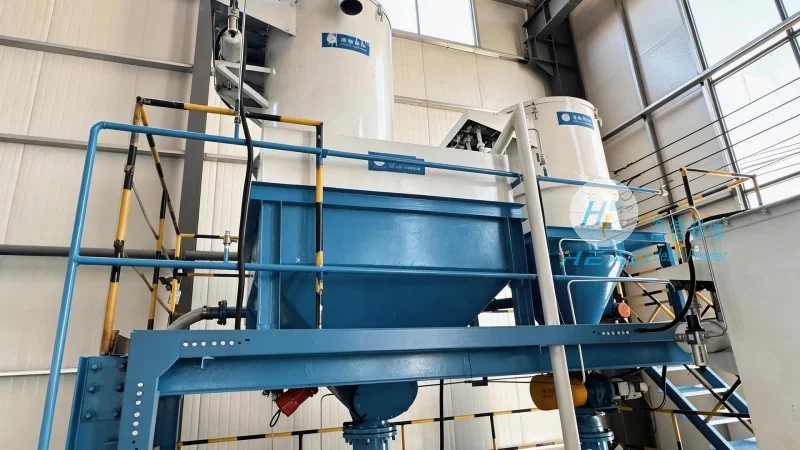
Compared to traditional conveying methods, a flaky graphite pneumatic conveying system offers several advantages that make it the preferred choice for many industries. One of the most significant advantages is the ability to transport material in a closed system, which prevents dust emissions and maintains a clean working environment. This is particularly important for applications where graphite dust can be hazardous or affect product quality. Another advantage is the reduced need for maintenance, as the system has fewer moving parts compared to belt or screw conveyors. The lack of direct contact between the material and the conveying equipment also minimizes wear and tear, extending the system's lifespan. Additionally, the system's flexibility allows for easy integration with existing production lines and the ability to adjust flow rates as needed. These benefits collectively contribute to lower operational costs and higher overall efficiency in handling flaky graphite.
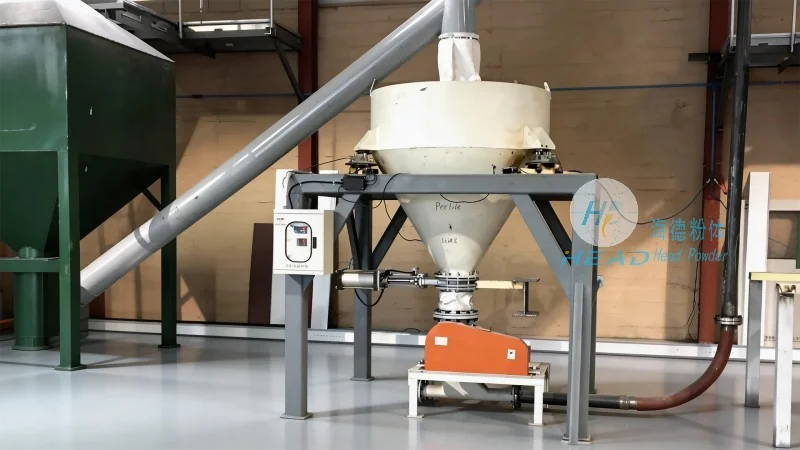
The flaky graphite pneumatic conveying system is widely used across various industries that rely on graphite for their products. In the battery industry, for example, the system is used to transport graphite powders for anode production, ensuring a consistent and high-quality supply of material. In refractory manufacturing, the system helps to move graphite into mixing and molding processes, maintaining the material's purity and preventing contamination. The lubricant industry also benefits from this technology, as it allows for the precise transfer of graphite into lubricant formulations, enhancing the product's performance. Other applications include the production of carbon brushes, brake pads, and other graphite-based components. The versatility of the system makes it suitable for a wide range of applications, from small-scale laboratory use to large-scale industrial production.
Shandong HeadPowder Engineering Co., Ltd., a leading provider of engineering solutions based in Shandong, China, specializes in designing and manufacturing custom flaky graphite pneumatic conveying systems. With years of experience in the material handling industry, HeadPowder understands the unique challenges associated with transporting flaky graphite and has developed innovative solutions to address them. The company's engineers work closely with clients to assess their specific needs, including material characteristics, production capacity, and operational requirements, to design a system that meets their exact specifications. HeadPowder's systems are built with high-quality components, ensuring durability and reliability, and are backed by comprehensive support services, including installation, training, and maintenance. By partnering with HeadPowder, industries can benefit from a tailored solution that enhances their material handling efficiency and product quality. The company's commitment to quality and customer satisfaction has made it a trusted name in the industry, providing reliable and effective solutions for flaky graphite transportation.

 Shandong Headpowder Engineering Co., Ltd.
 156-6277-7102(Manager Zhang)
  0531-83386006
  Zhangqiu District, Jinan City, Shandong Province, China
telephone
WeChatconsult
top