

Operation Process and Working Principle of Pneumatic Conveying Equipment for Cement Auxiliary Materi
HeadPowder, a leading manufacturer based in Shandong, China, specializes in the design, development, and production of advanced pneumatic conveying equipment tailored for the cement industry. This article provides a detailed overview of the operation process and working principle of such equipment, highlighting its efficiency and reliability in handling auxiliary materials.
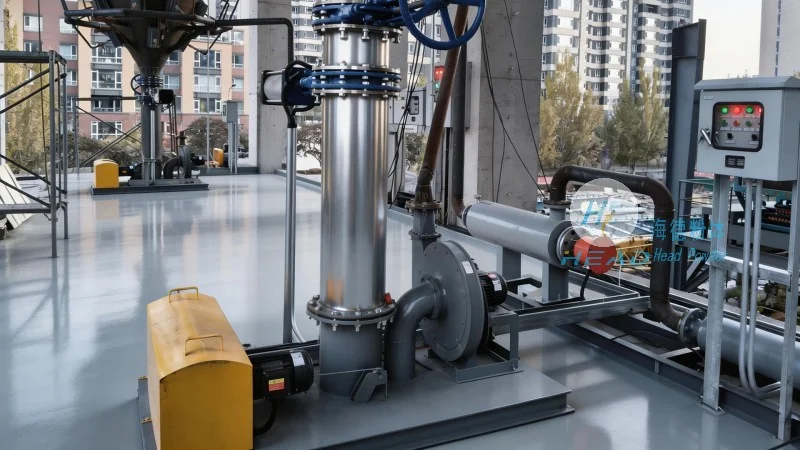
HeadPowder, operating from its headquarters in Shandong, China, is dedicated to delivering high-quality solutions for material handling in the cement sector. The company's expertise lies in creating customized pneumatic conveying systems that meet the specific demands of modern cement production lines.
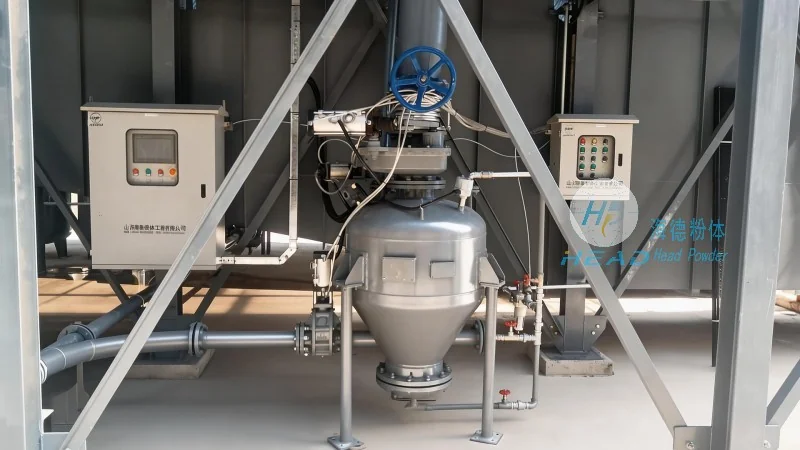
Working Principle of Pneumatic Conveying Equipment
The core of pneumatic conveying technology lies in the use of air to transport bulk materials. The system typically operates by creating a pressure differential between the inlet and outlet of the conveying line. In an aspiration (suction) system, a vacuum is generated at the material inlet, drawing the material into the pipeline along with the air. Conversely, a compression (pressure) system uses a blower or compressor to force air and material through the pipeline. The choice between these systems depends on factors such as the distance, material properties, and required flow rate.

Operation Process of Pneumatic Conveying Equipment
The operation of a pneumatic conveying system involves several key steps, each designed to ensure smooth and efficient material transport. The process begins with the material feeding stage, where the auxiliary material (e.g., limestone, clay, or iron ore) is introduced into the inlet hopper. A feeder, such as a rotary valve or screw feeder, controls the flow rate to maintain a consistent feed. Next, the conveying phase begins as the air is introduced, creating a flow that moves the material through the pipeline. The pipeline may include bends, expansions, or filters to ensure proper material transport and prevent blockages. Finally, the discharge stage occurs at the receiving end, where the material is released into a storage silo or processing unit. The system continuously monitors pressure and flow to maintain optimal performance, with automatic controls adjusting the air volume as needed.
Advantages and Applications in Cement Industry
Pneumatic conveying equipment offers several advantages that make it ideal for handling cement auxiliary materials. These include high efficiency in transporting bulk materials over long distances, minimal material degradation due to reduced friction and impact, and the ability to handle a wide range of particle sizes and moisture contents. Additionally, the system is compact and can be integrated into existing cement production lines without significant modifications. HeadPowder's equipment is designed to handle various auxiliary materials, including limestone, which is a primary component in cement production, ensuring consistent quality and process efficiency.
Conclusion
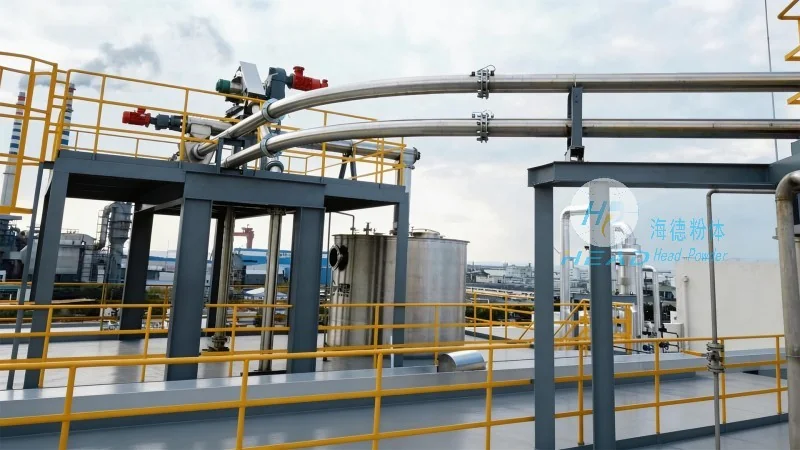
HeadPowder's pneumatic conveying equipment for cement auxiliary materials exemplifies advanced engineering and operational reliability. By understanding the working principle and operation process, cement manufacturers can optimize their material handling processes, reduce downtime, and enhance overall production efficiency. With a strong presence in Shandong, China, HeadPowder continues to provide tailored solutions that meet the evolving needs of the cement industry, ensuring sustainable and effective material transport.