With more than 10‑year industry experience, Shandong Headpowder delivers full‑service pneumatic‑conveying systems and blowers, undertaking nationwide turn‑key powder‑handling projects.
HeadPowder, a leading manufacturer based in Shandong, China, specializes in the design and production of advanced pneumatic conveying equipment tailored for handling nanopowder materials. This equipment is engineered to efficiently transport fine powders such as nanomaterials, ensuring high precision and minimal material loss during the process. The following sections will delve into the operational process and working principles of these systems, providing a comprehensive understanding of their functionality and benefits.
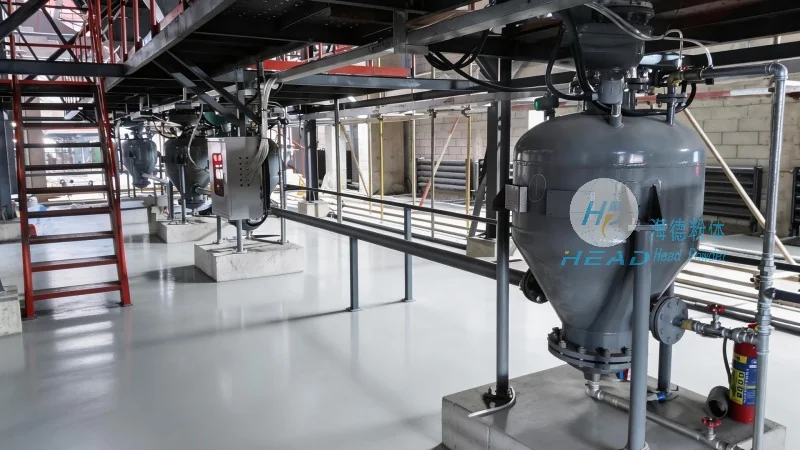
The pneumatic conveying equipment for nanopowder materials typically consists of several critical components that work in tandem to achieve effective material transport. These components include the hopper, feeder, conveying line, and receiver. The hopper serves as the storage container for the nanopowder, ensuring a consistent feed supply. The feeder, often a rotary valve or a screw feeder, regulates the flow rate of the powder into the conveying line. The conveying line, usually made of stainless steel or other corrosion-resistant materials, is responsible for transporting the powder through the system. The receiver is the final destination where the conveyed nanopowder is collected. Each component is designed to handle the unique characteristics of nanopowders, such as their fine particle size and potential for static charge accumulation.
The operation of the pneumatic conveying system for nanopowder materials is based on the principle of air flow and pressure differentials. The process begins with the nanopowder being fed from the hopper into the conveying line. Simultaneously, a high-pressure air stream is introduced into the system, creating a flow of air that carries the powder particles through the line. The air velocity is carefully controlled to ensure that the powder particles are suspended and transported without settling or clogging the system. The pressure differentials between the hopper, conveying line, and receiver facilitate the movement of the powder, allowing it to travel from the source to the destination efficiently. The system may also incorporate features like pulse jets or rotary valves to maintain consistent flow and prevent material buildup.
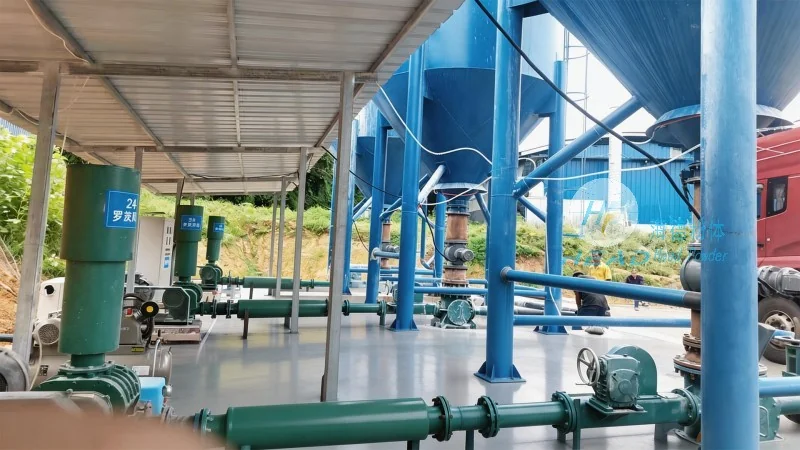
The operational process of the pneumatic conveying equipment for nanopowder materials can be broken down into several key steps. First, the nanopowder is loaded into the hopper, ensuring that the material is properly contained and ready for feeding. Next, the feeder is activated to regulate the flow rate of the powder into the conveying line. The air compressor then starts, generating the necessary pressure to create the air flow. As the air flows through the system, it picks up the powder particles and transports them to the receiver. The receiver collects the conveyed powder, and the process continues until the desired amount of material has been transported. The system may also include monitoring and control features to adjust the air pressure and flow rate as needed, ensuring optimal performance and preventing issues such as clogging or material loss.
Utilizing pneumatic conveying equipment for nanopowder materials offers several advantages over traditional methods like manual handling or mechanical conveying. Firstly, it provides a closed system that minimizes exposure to dust and contamination, which is crucial for maintaining the purity of nanomaterials. Secondly, the system ensures minimal material loss during transport, as the fine particles are efficiently captured and delivered to the receiver. Thirdly, the equipment is designed to handle the unique properties of nanopowders, such as their tendency to generate static charge, by incorporating anti-static features and proper grounding. Additionally, the system allows for precise control over the flow rate and pressure, enabling consistent and reliable material transport. These advantages make pneumatic conveying an ideal solution for industries that require high-purity and efficient handling of nanopowder materials.
The pneumatic conveying equipment for nanopowder materials is widely used in various industries that rely on the handling of fine powders. These industries include pharmaceuticals, where the purity and consistency of nanopowders are critical for drug formulation. The equipment is also used in the chemical industry for transporting catalysts and other reactive powders. Additionally, it is employed in the food and beverage industry for handling powdered ingredients, and in the cosmetics industry for transporting pigments and other fine powders. The versatility of the system makes it suitable for a wide range of applications, ensuring that nanopowder materials can be transported efficiently and safely in different industrial settings.
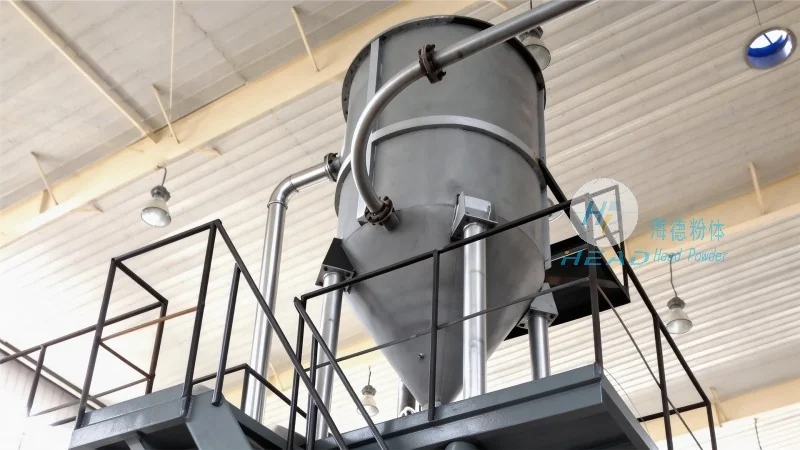
Proper maintenance and safety measures are essential for the efficient and safe operation of the pneumatic conveying equipment for nanopowder materials. Regular maintenance, including cleaning the hopper, feeder, and conveying line, is necessary to prevent material buildup and clogging. The system should also be inspected for any signs of wear and tear, such as leaks or damage to the components. Safety considerations include ensuring that the system is properly grounded to prevent static charge buildup, which can lead to sparks and fires. Additionally, the equipment should be equipped with safety features like pressure relief valves and emergency stop buttons to prevent accidents. By following these maintenance and safety guidelines, the equipment can operate reliably and safely, ensuring the continued performance and longevity of the system.
In conclusion, the pneumatic conveying equipment for nanopowder materials is a sophisticated system designed to efficiently transport fine powders with high precision and minimal loss. The operation process involves several key components and steps, all working together to achieve effective material transport. The advantages of using this equipment, such as maintaining material purity and controlling flow rates, make it an ideal solution for industries that require the handling of nanopowder materials. With proper maintenance and safety measures, the system can provide reliable and efficient performance, ensuring the continued success of operations in various industrial applications.

 Shandong Headpowder Engineering Co., Ltd.
 156-6277-7102(Manager Zhang)
  0531-83386006
  Zhangqiu District, Jinan City, Shandong Province, China
telephone
WeChatconsult
top