With more than 10‑year industry experience, Shandong Headpowder delivers full‑service pneumatic‑conveying systems and blowers, undertaking nationwide turn‑key powder‑handling projects.
The petrochemical industry relies on efficient material handling solutions to ensure smooth operations and maintain safety standards. One of the key technologies in this sector is the pneumatic conveying machine, which uses air or gas to transport bulk materials. This article explores the fundamental principles behind these machines and highlights their specific applications in the petrochemical industry.
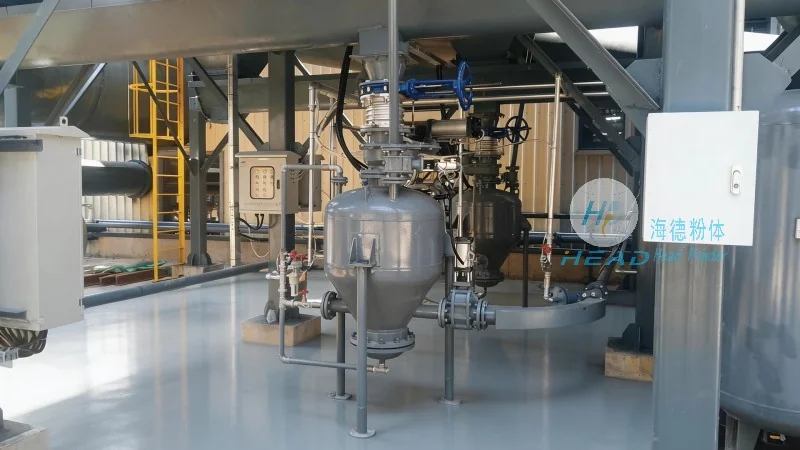
At its essence, a pneumatic conveying system operates by creating a pressure differential between the inlet and outlet of the conveying line. This differential is achieved through either positive pressure (where air is forced into the system) or negative pressure (where air is drawn out, creating a vacuum). The choice between these two methods depends on the material being transported, the distance, and the system's overall design.
The process begins with the material being introduced into the hopper or feeder. From there, it is mixed with the conveying medium (air or gas) and propelled through the pipeline. The velocity of the air and the size of the particles determine the efficiency of the conveying process. Proper design ensures that the material is transported without clogging or degradation, which is critical in petrochemical applications where materials can be abrasive or sensitive.
The petrochemical industry presents unique challenges for material handling due to the nature of the materials involved. These materials often include powders, granules, or liquids that require precise control to prevent contamination or loss. Pneumatic conveying machines are particularly well-suited for this environment due to their ability to handle a wide range of materials, from fine powders to bulk solids.
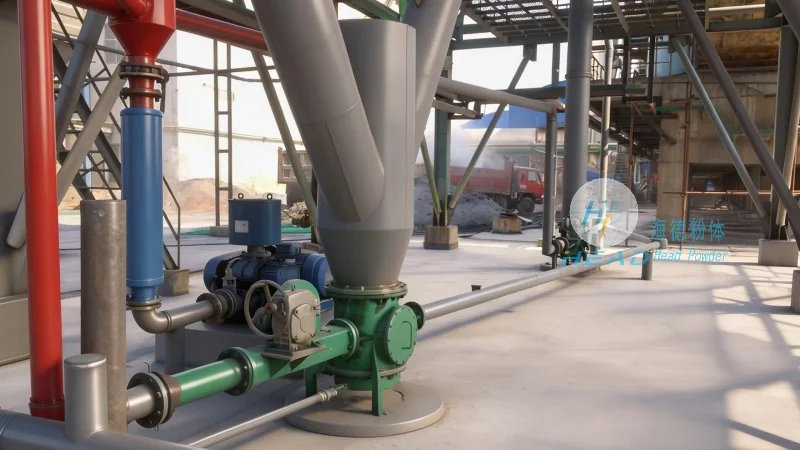
In petrochemical plants, these systems are commonly used for transporting raw materials to processing units, moving finished products to storage or packaging areas, and even for cleaning or maintenance operations. The flexibility of pneumatic conveying allows for integration into existing plant layouts, reducing the need for extensive infrastructure changes.
One of the primary advantages of petrochemical pneumatic conveying machines is their ability to handle hazardous materials safely. By containing the material within a sealed system, these machines prevent exposure to workers and minimize the risk of environmental contamination. This is especially important in the petrochemical sector, where materials may be toxic, flammable, or corrosive.
Another key feature is the system's scalability. Whether a small-scale operation or a large industrial plant, pneumatic conveying systems can be customized to meet specific requirements. This includes adjusting the conveying velocity, pressure, and pipeline diameter to optimize performance for different materials and distances.
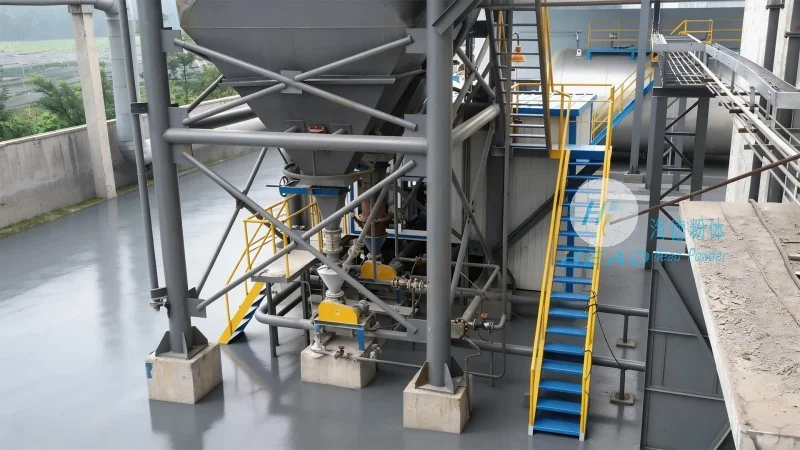
Additionally, these systems offer high efficiency and low maintenance costs. Unlike mechanical conveyors, which require regular lubrication and part replacement, pneumatic systems have fewer moving parts and are less prone to wear and tear. This results in lower operational costs and increased uptime for petrochemical facilities.
A common application is the transport of catalysts or additives used in chemical reactions. These materials are often fine powders that need to be delivered to reactors with minimal loss or degradation. Pneumatic conveying ensures that the catalysts remain in optimal condition, enhancing the efficiency of the chemical processes.
Another example is the handling of bulk chemicals, such as sulfuric acid or caustic soda, which are corrosive and require careful handling. The sealed pneumatic system prevents leaks and exposure, protecting both personnel and the environment. This is a critical feature in petrochemical plants where safety is paramount.
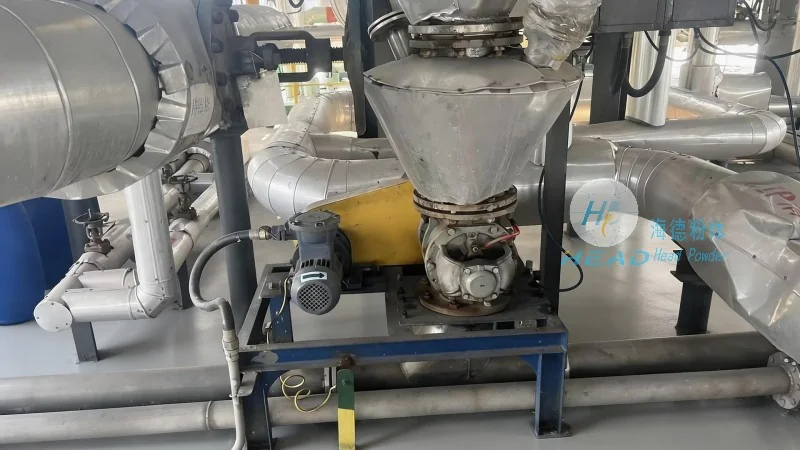
Furthermore, these machines are used in the packaging and storage stages of petrochemical products. For instance, transporting finished products from production lines to storage tanks or shipping containers ensures a seamless flow of operations. The ability to handle different product types and volumes makes pneumatic conveying a versatile solution for various stages of the petrochemical supply chain.
Petrochemical pneumatic conveying machines represent a sophisticated and reliable solution for material handling in the petrochemical industry. By understanding the core principles and working scene characteristics, companies can select the most appropriate system for their specific needs. The advantages of safety, efficiency, and flexibility make these machines an essential component of modern petrochemical operations.
As the industry continues to evolve, the demand for advanced material handling technologies will only increase. Companies like Shandong HeadPowder Engineering Co., Ltd., based in China, specialize in designing and manufacturing high-quality pneumatic conveying systems tailored to the unique requirements of the petrochemical sector. With their expertise and commitment to quality, they provide reliable solutions that enhance operational efficiency and safety in petrochemical plants.

 Shandong Headpowder Engineering Co., Ltd.
 156-6277-7102(Manager Zhang)
  0531-83386006
  Zhangqiu District, Jinan City, Shandong Province, China
telephone
WeChatconsult
top