With more than 10‑year industry experience, Shandong Headpowder delivers full‑service pneumatic‑conveying systems and blowers, undertaking nationwide turn‑key powder‑handling projects.
For industrial applications, especially in power plants and waste management facilities, the efficient handling of fly ash is crucial. Fly ash, a byproduct of coal combustion, requires specialized equipment to manage its transport from collection points to disposal or recycling sites. Among the various technologies available, pneumatic conveying systems have emerged as a reliable solution for this task. This article explores the fundamental principles behind fly ash pneumatic conveying equipment and highlights the key characteristics of its working scenes, providing insights into how such systems operate and where they are most effectively utilized.
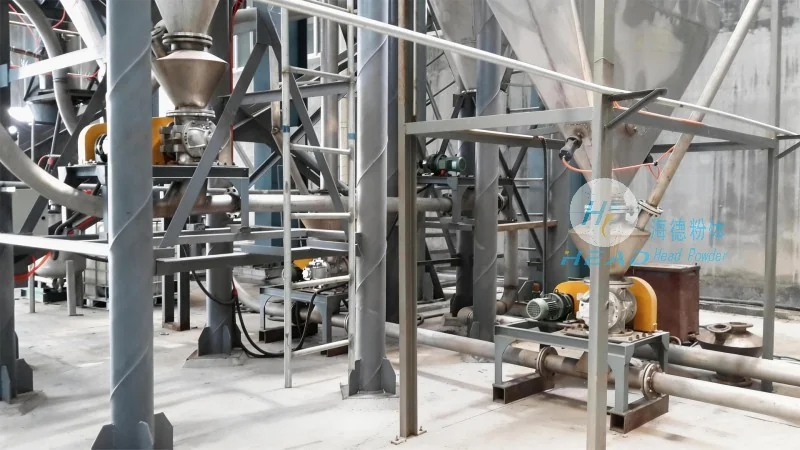
Fly ash pneumatic conveying equipment operates on the principle of transporting particulate materials, such as fly ash, using a stream of air or gas. The system typically consists of a hopper for material storage, a conveyor line, and a receiver for the delivered material. The process begins when fly ash is fed into the hopper, where it is then drawn into the conveyor line by a vacuum or pressure source. The air flow, generated by a blower or fan, creates a low-pressure environment that pulls the fly ash particles along the pipeline. This method allows for the continuous and controlled movement of fly ash without the need for mechanical components like belts or buckets, which can be prone to wear and maintenance issues in high-temperature or abrasive environments.
A key aspect of the pneumatic conveying principle is the selection of the appropriate air velocity and pressure. For fly ash, which often has a relatively high density and varying particle sizes, the system must be designed to maintain sufficient air velocity to prevent particle settling or blockages. The choice between positive pressure (where air is pushed through the system) and negative pressure (where air is pulled) depends on the specific application, including the distance to be covered and the presence of obstacles or changes in elevation. In many power plant settings, negative pressure systems are preferred as they minimize the risk of dust emissions and ensure a more contained operation, which is critical for environmental compliance.
The working scene characteristics of fly ash pneumatic conveying equipment are tailored to the demands of industrial environments, particularly in power generation facilities. These systems are designed to handle large volumes of fly ash, often in the range of several tons per hour, and are capable of covering significant distances—from short horizontal runs to long vertical or horizontal combinations. The flexibility of pneumatic conveying allows for integration into existing plant layouts, enabling the equipment to be installed in confined spaces or around existing structures without major structural modifications.
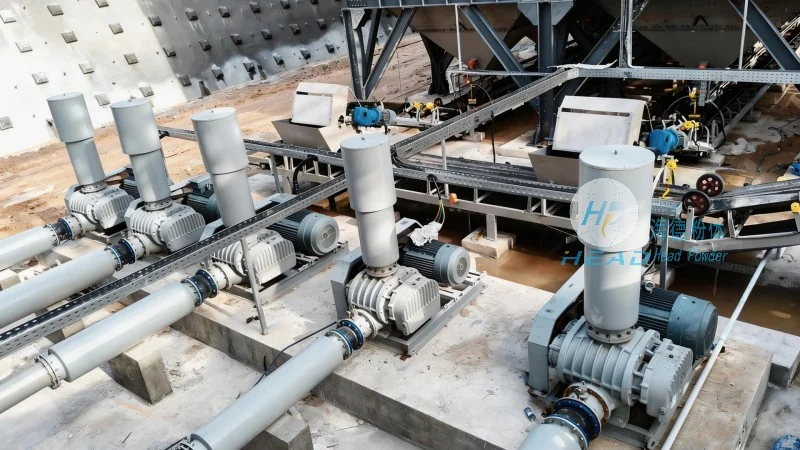
One of the most notable characteristics is the system's ability to operate in harsh conditions. Fly ash can be abrasive and may contain moisture, which can affect the performance of traditional mechanical conveyors. Pneumatic systems, however, are less susceptible to wear and can handle these challenges effectively. The use of high-quality materials, such as stainless steel or corrosion-resistant alloys, ensures durability and longevity, reducing the need for frequent maintenance and downtime. Additionally, modern systems incorporate advanced controls and monitoring technologies, allowing for real-time adjustments to air pressure and flow rates to optimize performance and prevent system failures.
In practical terms, fly ash pneumatic conveying systems are commonly used in the following scenarios: first, the transfer of fly ash from the boiler ash hopper to a storage silo or a disposal site; second, the movement of fly ash from multiple boilers to a centralized processing facility for further treatment or recycling; and third, the transport of fly ash to off-site locations for disposal or utilization in construction materials. Each of these applications requires a customized system design, considering factors such as the distance between source and destination, the number of transfer points, and the required throughput.
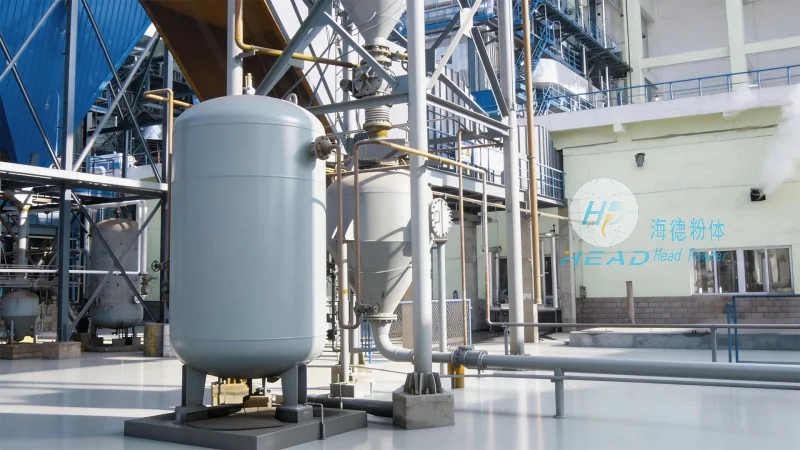
The operational efficiency of these systems is a critical factor for plant operators. By minimizing downtime and reducing labor costs associated with manual handling, pneumatic conveying contributes to overall operational savings. The systems are also designed to be energy-efficient, with modern blowers and fans operating at optimal performance levels to reduce electricity consumption. Furthermore, the enclosed nature of the conveying process helps in controlling dust emissions, which is essential for maintaining a safe and compliant working environment.
Fly ash pneumatic conveying equipment represents a sophisticated solution for the efficient and safe handling of fly ash in industrial settings. By leveraging the principles of pneumatic transport, these systems offer advantages such as flexibility, durability, and environmental compliance. The working scene characteristics, tailored to the demands of power plants and waste management facilities, ensure that the equipment can operate effectively in challenging conditions while maintaining high performance standards.
Shandong HeadPowder Engineering Co., Ltd., a leading manufacturer in this field, specializes in the design, production, and installation of advanced pneumatic conveying systems. With a focus on quality and innovation, the company provides customized solutions that meet the specific needs of its clients. Headquartered in Shandong, China, the company leverages its expertise and local resources to deliver reliable and efficient equipment that enhances the operational capabilities of power plants and other industrial facilities. Through continuous research and development, HeadPowder remains committed to advancing the technology of fly ash handling, ensuring that its products meet the evolving demands of the industry.

 Shandong Headpowder Engineering Co., Ltd.
 156-6277-7102(Manager Zhang)
  0531-83386006
  Zhangqiu District, Jinan City, Shandong Province, China
telephone
WeChatconsult
top