With more than 10‑year industry experience, Shandong Headpowder delivers full‑service pneumatic‑conveying systems and blowers, undertaking nationwide turn‑key powder‑handling projects.
Continuous pneumatic conveying systems represent a sophisticated method for transporting bulk materials, such as powders, granules, and other particulate substances, through a pipeline using pressurized or vacuum air. Unlike traditional mechanical conveyors, these systems rely on the flow of air to move materials, offering advantages like flexibility, cleanliness, and the ability to handle a wide range of materials without direct contact. The core principle involves creating a flow of air within a sealed pipeline, where the material is suspended and carried along by the air stream. This method is particularly effective for materials that are dusty, corrosive, or require a hygienic handling environment.
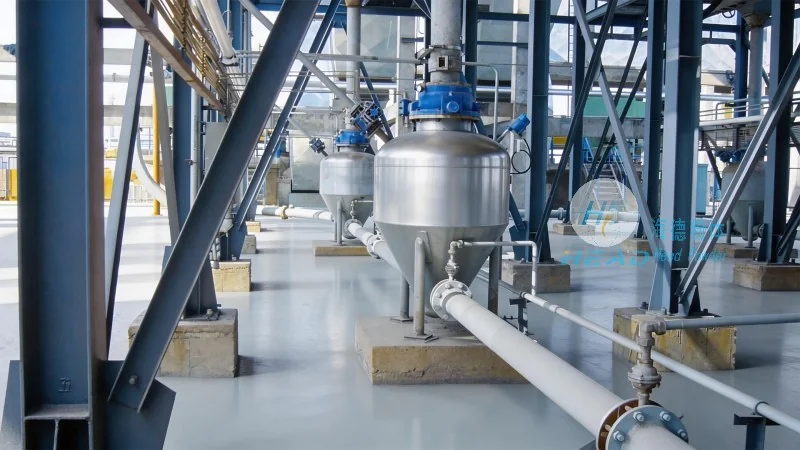
The fundamental principle of continuous pneumatic conveying is based on the interaction between air and the material being transported. In a typical system, a fan or blower generates the necessary air pressure or vacuum to create a flow. The material is introduced into the pipeline, often through a hopper or feeder, and is then entrained by the air. The air velocity is carefully controlled to ensure that the material particles are fully suspended without settling or causing blockages. This suspension allows the material to travel through the pipeline efficiently, with minimal friction and wear compared to mechanical conveyors. The system can operate in either positive pressure (where air is forced through the pipeline) or negative pressure (where air is drawn out), depending on the application and material characteristics.
Continuous pneumatic conveying systems consist of several critical components that work in tandem to ensure efficient operation. These include: the air source (fan or blower), the material feed system (hopper, feeder, or rotary valve), the conveying pipeline (usually made of stainless steel or other corrosion-resistant materials), the control system (regulating air pressure and flow), and the discharge equipment (such as a receiver or silo). Each component plays a vital role in maintaining the system's performance. For example, the feeder ensures a consistent flow of material into the pipeline, while the control system adjusts air pressure to match the material's density and size. The pipeline's design, including its diameter and length, is optimized to minimize pressure drop and energy consumption. The discharge equipment is crucial for safely releasing the material from the system, often with features to prevent dust emission or material spillage.
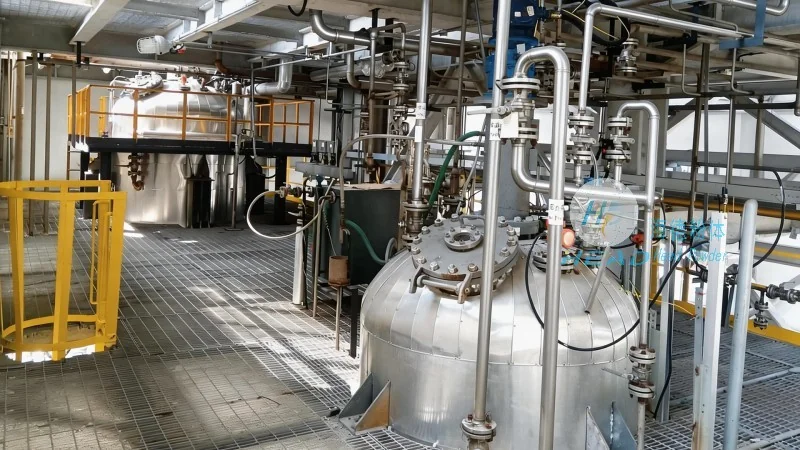
Continuous pneumatic conveying systems are widely used across various industries due to their adaptability and efficiency. In the food and pharmaceutical sectors, these systems are preferred for handling hygienic materials, as they eliminate direct contact with equipment and reduce contamination risks. The clean design and ability to maintain sterile conditions make them ideal for transporting ingredients like flour, sugar, or powders used in food processing. In the chemical industry, they are used to convey powders and granules that may be corrosive or reactive, as the sealed pipeline prevents exposure to the environment and reduces the risk of accidents. The construction and mining industries also benefit from these systems for transporting bulk materials such as sand, gravel, or cement, where large volumes need to be moved over long distances with minimal labor. Additionally, in the agricultural sector, continuous pneumatic conveyors are used to handle grain, feed, or other agricultural products, facilitating efficient storage and processing. The versatility of these systems allows them to be integrated into existing production lines or used as standalone solutions for material handling needs.
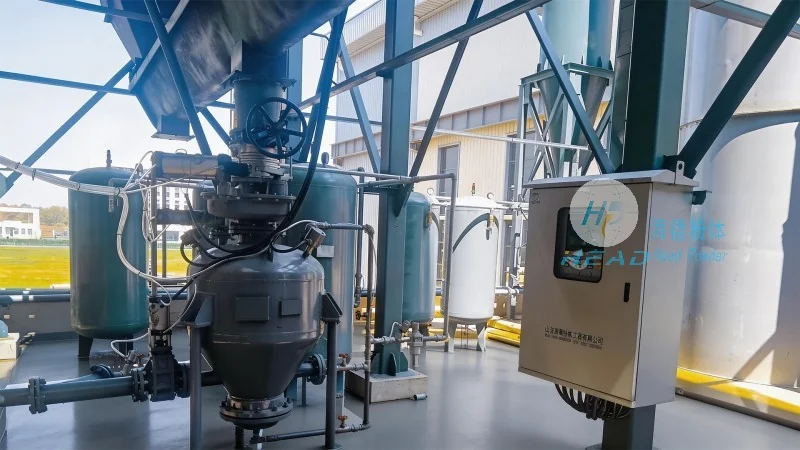
When evaluating continuous pneumatic conveying systems for industrial applications, several advantages and considerations come into play. The primary benefits include high efficiency in material transport, as the systems can move large volumes of material quickly and with minimal energy consumption compared to mechanical conveyors. They also offer flexibility, as the pipeline can be easily reconfigured or extended to accommodate changes in production processes. The systems are also relatively low maintenance, as there are fewer moving parts compared to traditional conveyors, reducing downtime and repair costs. However, there are also considerations to keep in mind. For example, the initial investment for a pneumatic conveying system can be higher than for mechanical alternatives, and the energy consumption may be higher if not optimized. Additionally, the system's performance is highly dependent on the material's properties, such as particle size, density, and moisture content, which may require adjustments to the air flow and pressure. Proper system design and maintenance are essential to ensure reliable operation and to avoid issues like blockages or pressure drops.
HeadPowder, a leading manufacturer of continuous pneumatic conveying systems, specializes in providing customized solutions for various industrial material handling needs. With a focus on innovation and quality, the company has developed advanced systems that meet the demands of modern industries. HeadPowder's products are designed to be durable, efficient, and reliable, ensuring long-term performance and minimal maintenance. The company's headquarters is located in Shandong, China, where it operates a state-of-the-art manufacturing facility and research center. HeadPowder's team of engineers and technicians work closely with clients to understand their specific requirements and provide tailored solutions that enhance productivity and operational efficiency. By leveraging years of experience and expertise in the field, HeadPowder has established itself as a trusted partner for businesses seeking reliable and effective material handling solutions.

 Shandong Headpowder Engineering Co., Ltd.
 156-6277-7102(Manager Zhang)
  0531-83386006
  Zhangqiu District, Jinan City, Shandong Province, China
telephone
WeChatconsult
top