With more than 10‑year industry experience, Shandong Headpowder delivers full‑service pneumatic‑conveying systems and blowers, undertaking nationwide turn‑key powder‑handling projects.
For industrial applications, understanding the technical parameters of reduced iron powder and the design of its conveying systems is crucial for optimizing production efficiency and ensuring product quality. This article provides an in-depth overview of the key technical specifications associated with reduced iron powder and the critical aspects of its conveying system processes, presented by Shandong HeadPowder Engineering Co., Ltd., a leading manufacturer based in Shandong, China.
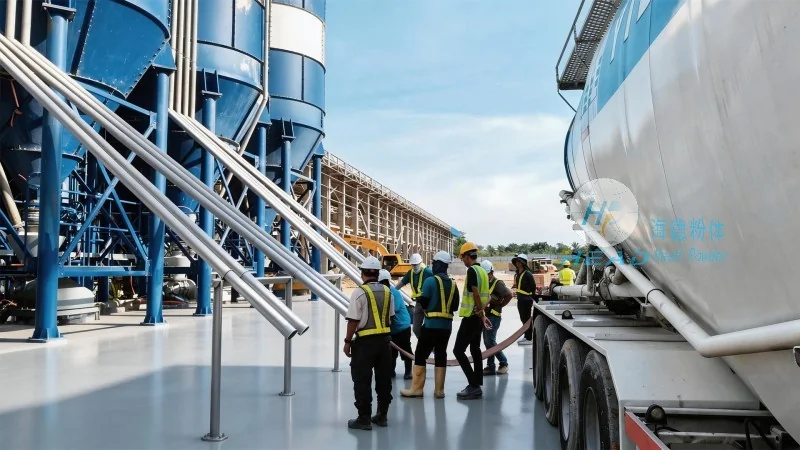
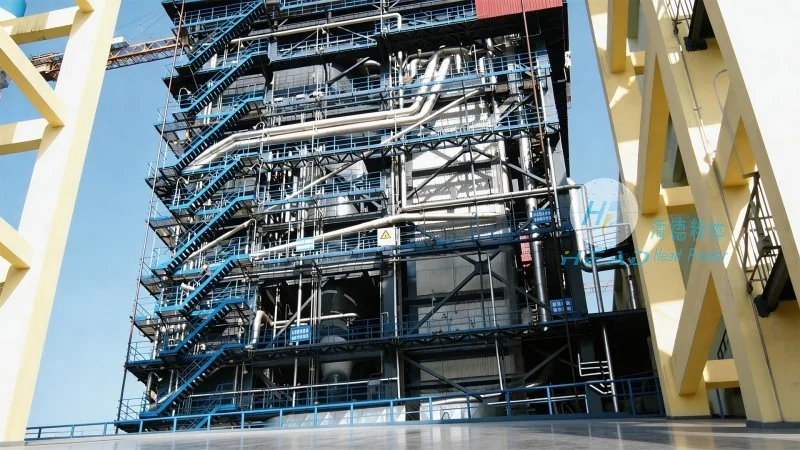
Reduced iron powder is a critical material in various industries, including steelmaking, powder metallurgy, and chemical processing. The technical parameters of this material directly impact its performance and suitability for specific applications. Several key parameters are commonly evaluated to ensure the powder meets industry standards and customer requirements. These parameters include but are not limited to particle size distribution, bulk density, moisture content, and reactivity. Particle size distribution is particularly important as it affects the flowability, compressibility, and sintering behavior of the powder. A well-defined particle size distribution, typically characterized by a narrow range of particle sizes, ensures consistent performance in downstream processes. Bulk density, which measures the mass of powder per unit volume, influences storage and handling operations. Proper moisture content is essential to prevent caking and maintain the powder's physical properties. Additionally, the reactivity of the powder, often measured by its oxygen content or surface area, determines its suitability for specific chemical reactions or metallurgical processes. Shandong HeadPowder Engineering Co., Ltd. adheres to strict quality control measures to ensure all technical parameters of its reduced iron powder are within the specified ranges, meeting the demands of diverse industrial applications.
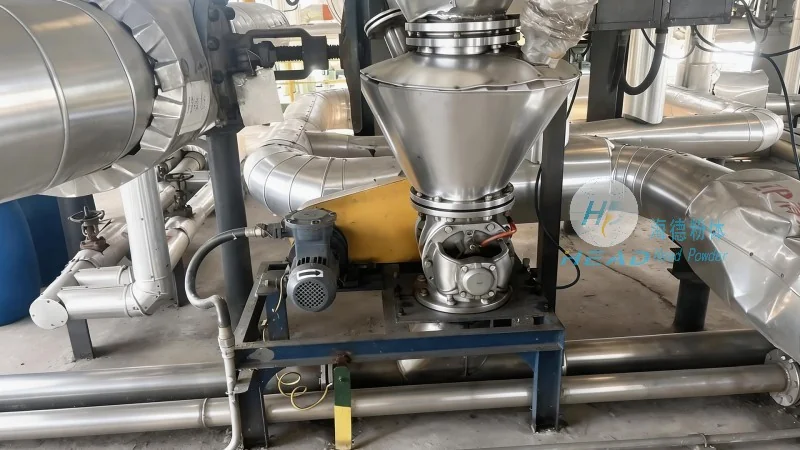
The design and operation of the conveying system for reduced iron powder are vital to maintain the material's integrity and ensure smooth production flow. Conveying systems must be engineered to handle the unique properties of reduced iron powder, such as its fine particle size and potential for static charge buildup. Several common conveying methods are employed in industrial settings, including pneumatic conveying, mechanical conveying, and vacuum systems. Pneumatic conveying, which uses compressed air to transport the powder, is widely used due to its ability to handle fine powders and minimize material degradation. This method involves a series of components, including a hopper, feeder, and pipeline, designed to ensure efficient and reliable transport. Mechanical conveying systems, such as screw conveyors and belt conveyors, are also utilized, especially for bulk material handling and horizontal or inclined transport. These systems are often preferred for their simplicity and low maintenance requirements. Vacuum systems, which use suction to move the powder, are suitable for applications requiring gentle handling and minimal material loss. The selection of the appropriate conveying system depends on factors like the production scale, material properties, and operational environment. Shandong HeadPowder Engineering Co., Ltd. specializes in designing and implementing customized conveying systems tailored to the specific needs of its clients, ensuring optimal performance and minimal downtime.
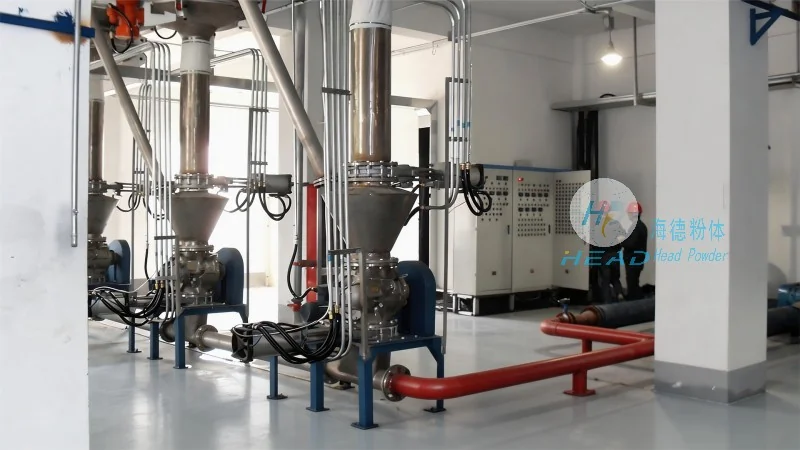
At Shandong HeadPowder Engineering Co., Ltd., quality assurance is a core principle in all aspects of reduced iron powder production and conveying system design. The company employs advanced testing methodologies to monitor and control the technical parameters of the powder, ensuring consistency and reliability. Regular inspections and tests are conducted to verify that the powder meets the required specifications, including particle size, moisture content, and bulk density. Additionally, the conveying systems are continuously monitored for efficiency and performance, with adjustments made as needed to maintain optimal operation. Process optimization is an ongoing effort to improve production efficiency, reduce costs, and enhance product quality. This involves analyzing operational data, identifying bottlenecks, and implementing improvements. By leveraging technology and expertise, the company ensures that its reduced iron powder and conveying systems meet the highest standards, providing customers with reliable and high-performance solutions. The commitment to quality and process optimization has established Shandong HeadPowder Engineering Co., Ltd. as a trusted partner in the industry, delivering superior products and services to clients worldwide.

 Shandong Headpowder Engineering Co., Ltd.
 156-6277-7102(Manager Zhang)
  0531-83386006
  Zhangqiu District, Jinan City, Shandong Province, China
telephone
WeChatconsult
top