With more than 10‑year industry experience, Shandong Headpowder delivers full‑service pneumatic‑conveying systems and blowers, undertaking nationwide turn‑key powder‑handling projects.
Lithium hydroxide (LiOH) is a vital chemical compound widely utilized in the production of lithium-ion batteries, pharmaceuticals, and other high-tech materials. The technical specifications of lithium hydroxide are critical for ensuring its effectiveness and safety in various industrial applications. This document outlines the key technical parameters of lithium hydroxide and details the design and operation of its conveying systems, which are essential for efficient material handling in industrial settings.
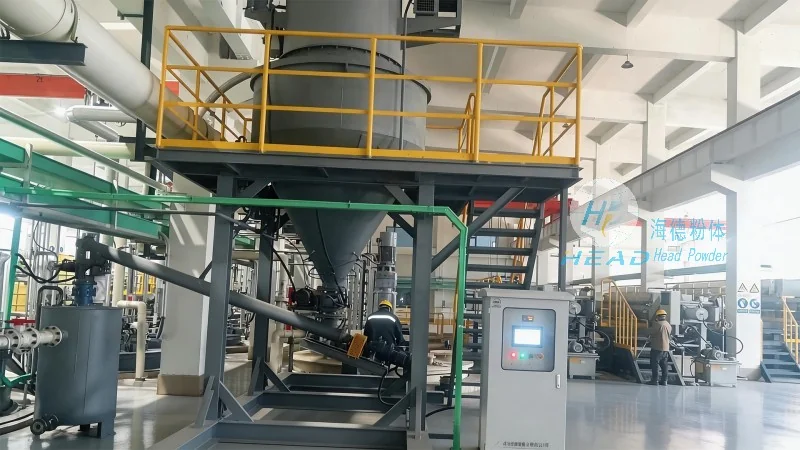
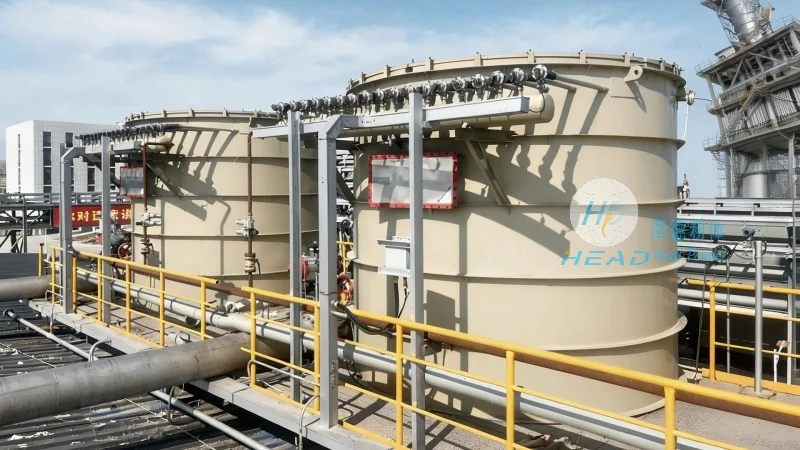
The technical specifications of lithium hydroxide are defined by several critical factors that influence its performance and handling characteristics. These parameters include particle size distribution, moisture content, bulk density, and chemical purity. Particle size distribution is a primary parameter as it directly impacts the material's flowability and reactivity. Lithium hydroxide is typically produced as a fine powder with particle sizes ranging from 0.1 to 200 microns, depending on the specific application requirements. Smaller particle sizes are preferred for applications requiring high reactivity, while larger particles are suitable for bulk handling and storage. Moisture content is another critical factor, as excessive moisture can lead to caking and reduced product quality. The standard moisture content for lithium hydroxide is maintained below 0.5% by weight to ensure optimal performance. Bulk density, which represents the density of the material in its loose state, is crucial for determining storage and transportation requirements. The bulk density of lithium hydroxide typically ranges from 0.8 to 1.2 g/cm³, varying based on particle size and packing conditions. Chemical purity is also a vital parameter, as impurities can affect the final product's performance and safety. High-purity lithium hydroxide, with impurity levels below 0.1%, is essential for applications such as battery production where performance and safety are paramount. The purity of the material is achieved through advanced manufacturing processes, including filtration and drying, to remove contaminants and ensure consistent quality.
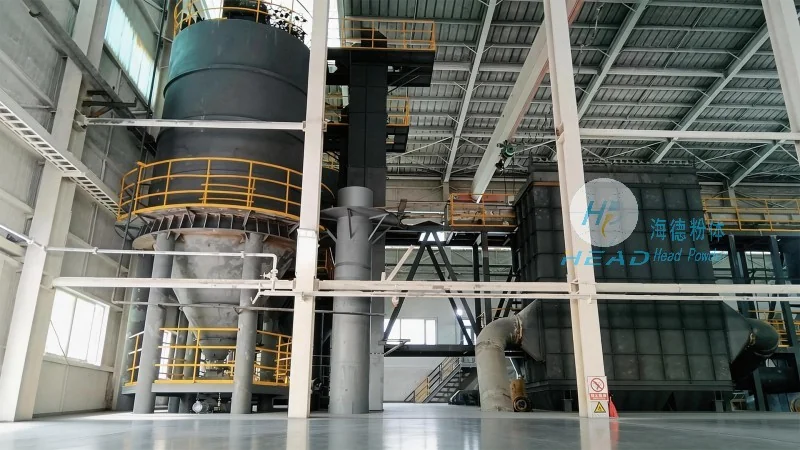
The design of a conveying system for lithium hydroxide must consider the material's physical properties to ensure safe and efficient transport. Several conveying methods are commonly employed, including pneumatic conveying, screw conveyors, and bucket elevators, each with its own advantages and limitations. Pneumatic conveying systems are ideal for handling fine powders like lithium hydroxide, as they can transport the material over long distances with minimal dust generation. These systems use compressed air to move the powder through a pipeline, ensuring a clean and controlled process. Pneumatic systems are particularly effective for applications requiring high purity and low contamination, as they minimize the risk of material degradation. Screw conveyors are another popular option, especially for horizontal or slightly inclined transport. They are robust and can handle a wide range of particle sizes, but may generate more dust compared to pneumatic systems. Screw conveyors are often used in bulk handling applications where the material flow rate is high and the distance is short. Bucket elevators are suitable for vertical transport and can handle larger particles, though they require more maintenance and energy input. They are commonly used in applications where vertical movement is necessary, such as in storage silos and processing units. The choice of conveying system depends on factors such as the plant layout, material flow rate, and environmental regulations. For example, in a battery manufacturing plant, a combination of pneumatic and screw conveyors may be used to transport lithium hydroxide from storage to processing units, ensuring a seamless and efficient workflow. The pneumatic system is used for long-distance transport from the storage silo to the processing area, while the screw conveyor is used for short-distance transport within the processing unit.
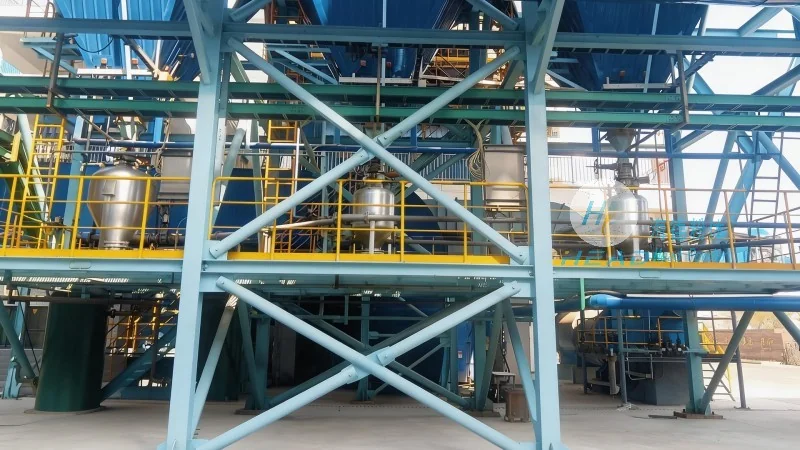
Integrating the conveying system with the overall production process is essential for maximizing efficiency and minimizing risks. The conveying system must be designed to work in harmony with other equipment such as mixers, reactors, and storage tanks. Proper integration ensures that the material is delivered to the next stage of the process without delays or interruptions. This integration also allows for better control over the material flow, enabling real-time monitoring and adjustment as needed. Safety considerations are paramount when handling lithium hydroxide, as it can be hazardous if not handled correctly. Lithium hydroxide is a strong base and can cause skin and eye irritation. Therefore, the conveying system must be equipped with appropriate safety features such as dust collection systems, explosion-proof components, and protective enclosures. Dust collection systems are crucial to prevent the release of fine particles into the air, which can pose health risks to workers and affect the environment. Explosion-proof components are necessary to prevent sparks and fires, especially in areas where the material may accumulate and create a fire hazard. Protective enclosures are used to contain the material and prevent accidental exposure. Additionally, the system should be designed to prevent the accumulation of static electricity, which can lead to sparks and fires. Regular maintenance and inspection of the conveying system are also crucial to ensure its safe and reliable operation. This includes checking for wear and tear on components, ensuring proper sealing to prevent dust leakage, and verifying the functionality of safety devices. Maintenance schedules should be established to address any potential issues before they become major problems, ensuring the system operates at peak performance.

 Shandong Headpowder Engineering Co., Ltd.
 156-6277-7102(Manager Zhang)
  0531-83386006
  Zhangqiu District, Jinan City, Shandong Province, China
telephone
WeChatconsult
top