With more than 10‑year industry experience, Shandong Headpowder delivers full‑service pneumatic‑conveying systems and blowers, undertaking nationwide turn‑key powder‑handling projects.
HeadPowder, a leading engineering firm based in Shandong, China, specializes in the design and implementation of advanced pneumatic conveying systems tailored for reducing iron powder applications. This article outlines key design considerations for such systems, ensuring efficient material handling, minimal loss, and optimal performance in industrial settings.
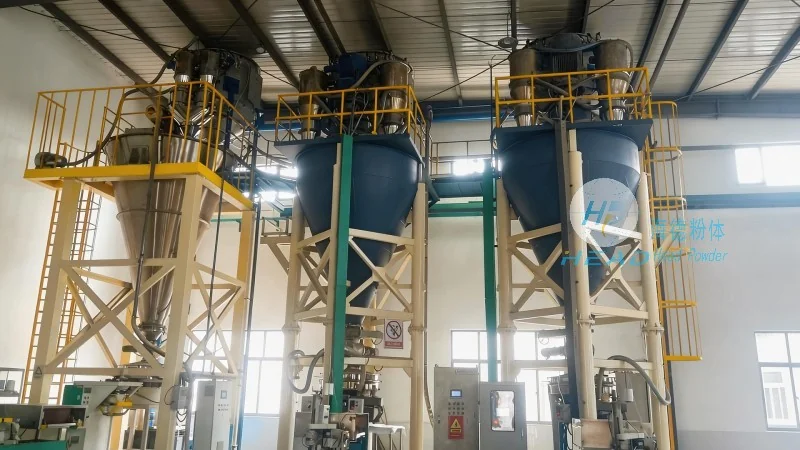
A reducing iron powder pneumatic conveying system typically comprises several critical components that work in tandem to transport iron powder from a source to a destination. The primary elements include a material feeder, a conveying pipeline, a pressure vessel or receiver, and a control system. The material feeder, often a rotary valve or screw feeder, ensures a consistent flow of iron powder into the system. The conveying pipeline, usually made of stainless steel or other corrosion-resistant materials, is designed to withstand the abrasive nature of iron powder and maintain pressure integrity. The pressure vessel or receiver collects the conveyed material and may include features like a dust filter or cyclone separator to prevent material loss and maintain air quality. The control system manages the operation of the feeder, pipeline pressure, and overall system flow, ensuring safe and efficient operation.
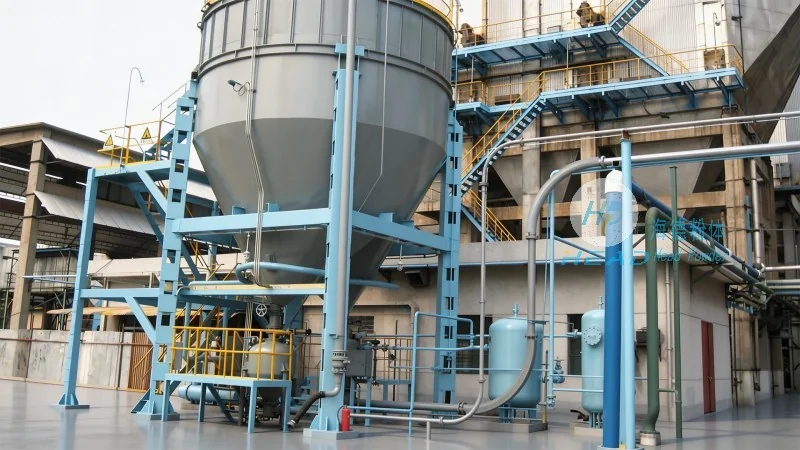
When designing a reducing iron powder pneumatic conveying system, several factors must be carefully considered to maximize efficiency and reliability. First, the system's capacity and flow rate must be matched to the specific requirements of the application. This involves calculating the required air volume and pressure based on the bulk density and particle size of the iron powder. The choice of conveying method—such as dilute phase or dense phase—depends on the material's characteristics and the distance to be transported. Dilute phase systems use higher air velocities to move material in a dispersed state, while dense phase systems use lower velocities and higher pressure to move material in a slurry-like state, reducing wear on equipment and minimizing product degradation. Material properties, including particle size distribution, moisture content, and abrasiveness, are critical in selecting the appropriate pipeline diameter, material of construction, and system pressure. For example, fine iron powder particles may require larger pipelines to prevent clogging, while abrasive particles demand high-quality stainless steel or special coatings to extend equipment life. Additionally, the system must incorporate proper filtration and cleaning mechanisms to prevent material buildup and maintain air quality, which is essential for both operational safety and product integrity.
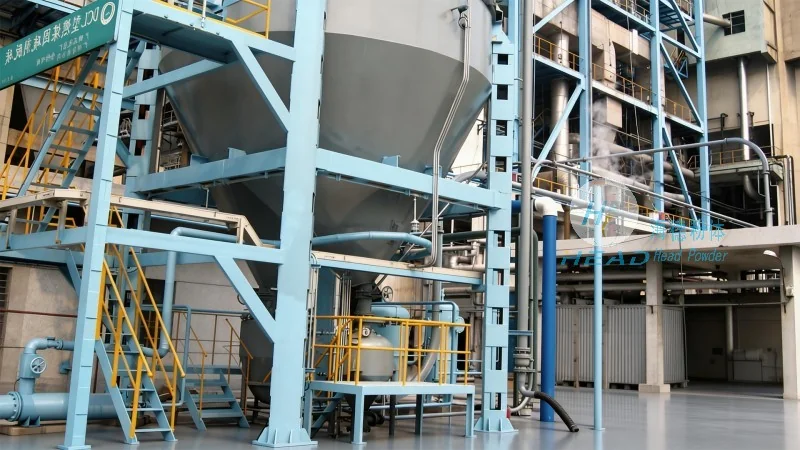
Reducing iron powder pneumatic conveying systems are often integrated into larger industrial processes, such as steel production or chemical manufacturing, where the iron powder is used as a reducing agent or raw material. The design of the system must align with the overall process flow, ensuring seamless material transfer without disrupting production. This may involve connecting the conveying system to existing storage silos, reactors, or processing units. The control system plays a vital role in coordinating the conveying operation with other process steps, such as batch processing or continuous feed. For instance, in a steel production facility, the reducing iron powder may be conveyed to a furnace or reactor at precise times to optimize the reduction reaction. The system must also be designed to handle variations in material supply, such as fluctuations in feed rate or changes in material properties, ensuring consistent performance under different operating conditions. This adaptability is crucial for maintaining production efficiency and minimizing downtime.
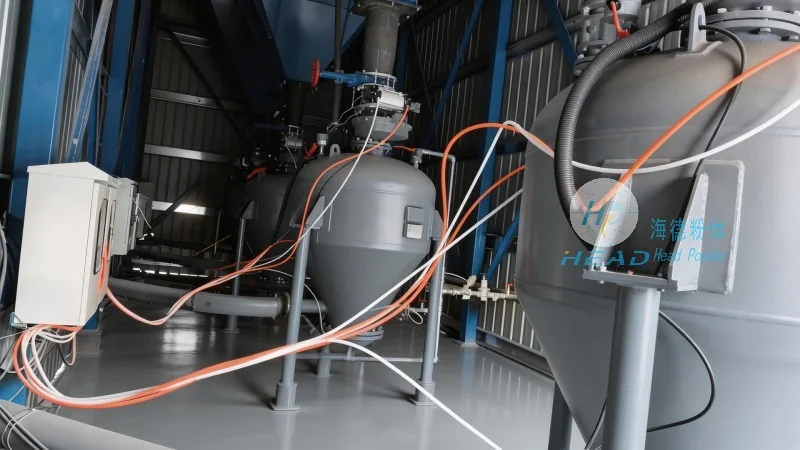
Proper maintenance and operational practices are essential for the long-term performance and reliability of a reducing iron powder pneumatic conveying system. Regular inspection and maintenance of key components, such as the material feeder, pipeline, and pressure vessel, are necessary to prevent equipment failure and material loss. This includes checking for wear and tear, cleaning filters and cyclones, and lubricating moving parts. The control system should be monitored regularly to ensure it operates within specified parameters, and any deviations should be addressed promptly. Operational best practices also include proper material handling procedures, such as avoiding overfilling the feeder or allowing excessive air pressure, which can lead to system inefficiencies or damage. Training operators on the proper use and maintenance of the system is critical to ensure safe and efficient operation. By following these best practices, industrial facilities can maximize the lifespan of their pneumatic conveying systems and minimize operational costs.

 Shandong Headpowder Engineering Co., Ltd.
 156-6277-7102(Manager Zhang)
  0531-83386006
  Zhangqiu District, Jinan City, Shandong Province, China
telephone
WeChatconsult
top