With more than 10‑year industry experience, Shandong Headpowder delivers full‑service pneumatic‑conveying systems and blowers, undertaking nationwide turn‑key powder‑handling projects.
For industries dealing with rice husk processing, the efficient and reliable transport of this material is crucial. This article provides a comprehensive overview of the design calculation process and equipment selection for pneumatic conveying systems tailored to rice husk applications. By understanding the key factors involved in both design and equipment choice, businesses can optimize their material handling operations, reduce operational costs, and enhance overall productivity.
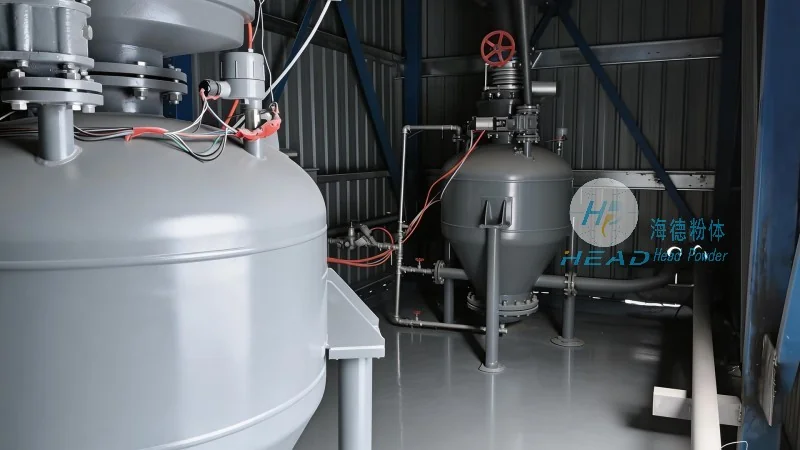
Pneumatic conveying systems are widely used in the agricultural and food processing sectors to transport bulk materials like rice husk. These systems utilize air pressure to move materials through a pipeline, offering advantages such as low maintenance, minimal product contamination, and the ability to handle materials in a closed system. The design and selection of an appropriate pneumatic conveying system for rice husk depend on several critical factors, including material properties, system layout, and operational requirements.
When designing a pneumatic conveying system for rice husk, engineers must consider multiple variables to ensure optimal performance. The first step is to analyze the physical properties of rice husk, such as particle size distribution, bulk density, and moisture content. These characteristics directly impact the air velocity required for effective transport. For example, rice husk particles are typically lightweight and have a relatively low bulk density, which may necessitate higher air velocities to maintain flow and prevent blockages.
Another critical factor is the system layout and the distance over which the material needs to be conveyed. The choice between positive pressure and negative pressure systems depends on the layout and the need to minimize air leakage. Positive pressure systems are often preferred for long-distance or multi-point delivery, as they can maintain consistent pressure and prevent material spillage. Conversely, negative pressure systems are suitable for short-distance or enclosed environments where air leakage is less of a concern.
Choosing the right equipment for a rice husk pneumatic conveying system is essential for long-term efficiency and reliability. The primary components include the material feeder, air mover (blower or fan), conveying pipeline, and discharge equipment. The material feeder must be capable of handling the bulk density and flow rate of rice husk without clogging. For rice husk, which can be dusty and have irregular shapes, a rotary valve or a screw feeder with a special design may be necessary to ensure consistent material feed.
The air mover is another critical component, as it determines the system's capacity and pressure. For rice husk applications, a high-pressure blower or a positive displacement blower is often recommended. These devices can generate the necessary air pressure to overcome resistance in the pipeline and maintain material flow. The selection of the blower type depends on factors such as the required air volume, pressure, and the system's overall power consumption.
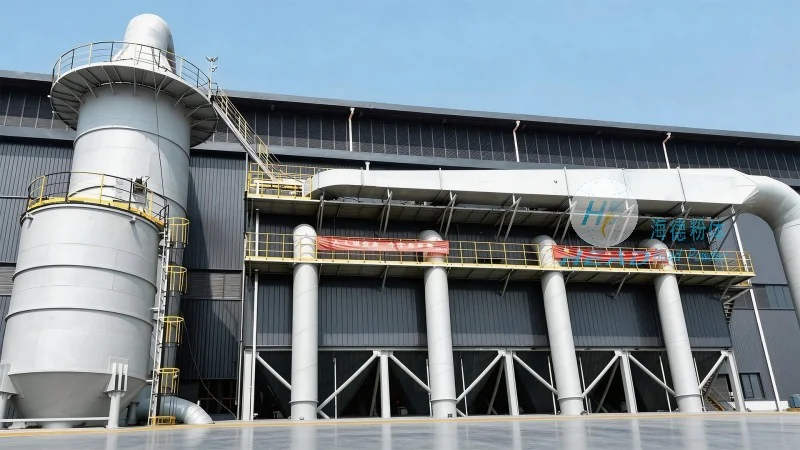
The conveying pipeline is typically made of stainless steel or other corrosion-resistant materials to handle the abrasive nature of rice husk particles. The pipeline diameter and length are carefully calculated to balance air velocity and pressure drop. Proper pipeline design helps minimize energy consumption and prevent material buildup or blockages. Additionally, the use of bends, elbows, and other fittings must be minimized to reduce pressure losses and maintain smooth material flow.
At the end of the conveying system, the rice husk needs to be discharged and collected efficiently. This involves the use of appropriate equipment such as rotary valves, cyclone separators, or bagging systems. Rotary valves are commonly used for controlled discharge from the pipeline, ensuring a steady flow of material without air leakage. Cyclone separators are effective for separating the conveyed material from the air stream, allowing the rice husk to be collected in a hopper or storage bin while the air is filtered and recirculated.
For applications where the rice husk needs to be packaged or stored, bagging systems or bulk storage silos may be employed. The choice of discharge equipment depends on the downstream process requirements, such as whether the material needs to be fed into a further processing unit or stored for later use. Proper selection of discharge equipment ensures that the material is handled safely and efficiently, minimizing dust generation and product loss.
The design calculation process for a rice husk pneumatic conveying system involves a series of steps to determine the optimal system parameters. The first step is to gather all relevant data about the rice husk material, including its physical properties and the required conveying distance. This data is then used to calculate the required air velocity and pressure. Engineers use established formulas and empirical data to determine the air volume and pressure needed to move the material through the pipeline.
Once the air velocity and pressure are determined, the pipeline diameter and length are calculated based on the system layout. The pressure drop along the pipeline is a key factor in the design, as it affects the energy consumption of the system. Engineers use pressure drop formulas, such as the Darcy-Weisbach equation, to estimate the pressure loss due to friction and fittings. By minimizing pressure drop through proper pipeline design and the use of smooth fittings, the system can operate more efficiently.
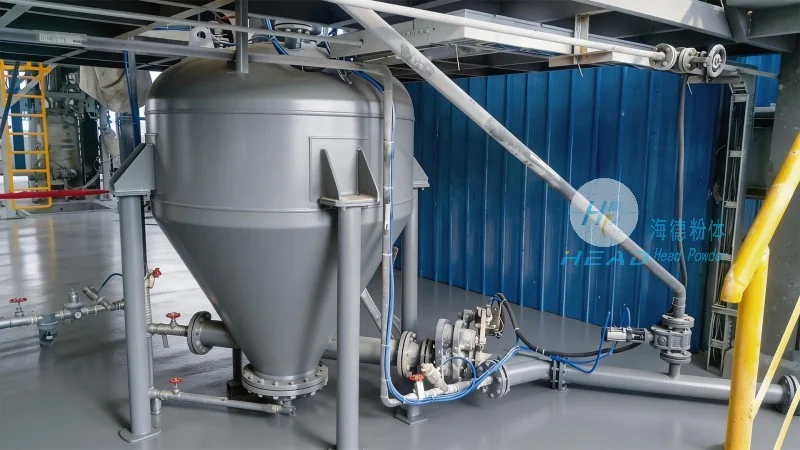
The selection of the air mover is then based on the calculated air volume and pressure requirements. The power consumption of the blower is calculated to ensure that the system can meet the operational demands without excessive energy costs. Additionally, the material feeder and discharge equipment are sized based on the flow rate and material characteristics. The entire design process is iterative, with adjustments made to optimize performance and cost.
Implementing a well-designed pneumatic conveying system for rice husk offers several benefits for businesses. First, it improves operational efficiency by reducing material handling time and labor costs. The closed system design minimizes dust and product contamination, which is critical for maintaining product quality and meeting regulatory standards. Additionally, the system can be integrated with other processing equipment, streamlining the overall production process.
Another advantage is the reduction in energy consumption and operational costs. By optimizing the air velocity and pressure, the system uses less energy compared to traditional bulk handling methods. This leads to lower electricity bills and a smaller environmental footprint. Furthermore, the reliable operation of the system reduces downtime and maintenance costs, as proper equipment selection minimizes the risk of blockages and system failures.
Finally, a well-designed pneumatic conveying system enhances product quality and safety. The closed system prevents dust exposure, reducing the risk of respiratory issues for workers and minimizing product loss due to spillage. The consistent flow of material ensures that downstream processes receive a uniform feed, improving product consistency and reducing waste. Overall, the investment in a properly designed and selected pneumatic conveying system for rice husk is a strategic decision that can lead to long-term operational and financial benefits.
In conclusion, the design calculation and equipment selection for pneumatic conveying systems in rice husk processing are critical to achieving efficient and reliable material handling. By considering the physical properties of rice husk, system layout, and operational requirements, engineers can design a system that meets the specific needs of the application. The proper selection of components, such as the material feeder, air mover, and pipeline, ensures optimal performance and long-term reliability. Implementing a well-designed pneumatic conveying system not only improves operational efficiency but also reduces costs and enhances product quality. For businesses in the rice husk processing industry, investing in a comprehensive design and equipment selection process is essential for staying competitive and achieving sustainable growth.

 Shandong Headpowder Engineering Co., Ltd.
 156-6277-7102(Manager Zhang)
  0531-83386006
  Zhangqiu District, Jinan City, Shandong Province, China
telephone
WeChatconsult
top