With more than 10‑year industry experience, Shandong Headpowder delivers full‑service pneumatic‑conveying systems and blowers, undertaking nationwide turn‑key powder‑handling projects.
Aluminum foil conveying is a critical process in various industrial applications, ensuring efficient material handling and maintaining product integrity. The choice of conveying method significantly impacts operational efficiency, cost-effectiveness, and product quality. This article provides a detailed comparison of common aluminum foil conveying methods, highlighting the key features, advantages, and considerations for each approach.
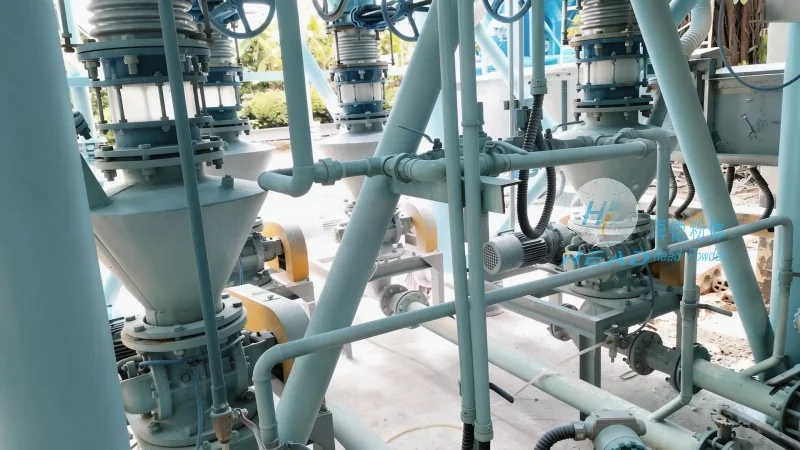
HeadPowder, a leading manufacturer in material handling solutions, specializes in designing and supplying advanced conveying systems tailored to the unique needs of aluminum foil processing industries. With years of experience and a commitment to innovation, HeadPowder delivers reliable and efficient aluminum foil conveying solutions. The company is based in Shandong, China, and serves clients globally with customized equipment that meets stringent industry standards.
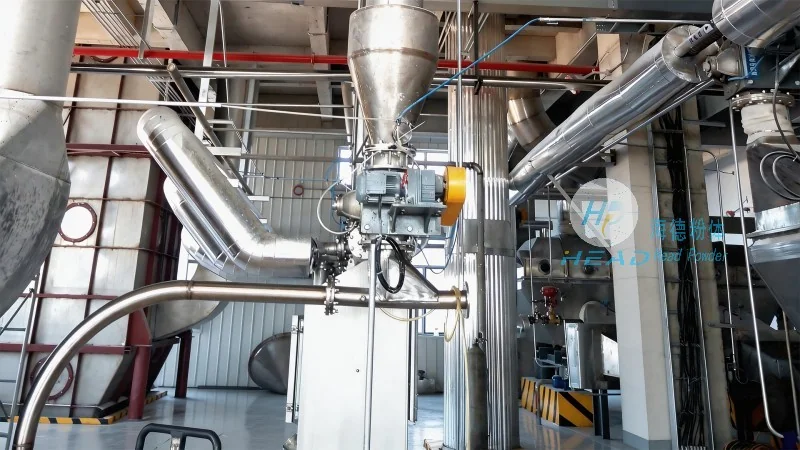
The chain conveyor system is a widely used method for aluminum foil conveying, particularly in applications requiring high load capacity and stable movement. This system typically consists of a series of metal chains with attached plates or carriers that transport the foil sheets along a fixed path. The chain conveyor offers several advantages, including high durability, low maintenance requirements, and the ability to handle heavy or irregularly shaped foil products. It is particularly suitable for continuous production lines where consistent speed and reliability are essential. However, it may require more space compared to other methods and can be less flexible in terms of route changes.
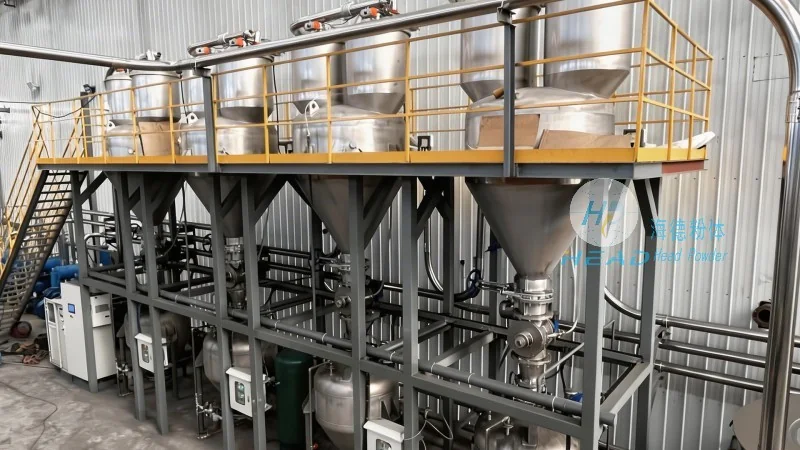
The roller conveyor system utilizes a series of rollers to move aluminum foil, relying on gravity or motorized drives to transport the material. This method is ideal for lightweight foil products and applications where gentle handling is necessary to prevent damage. Roller conveyors are often used in combination with other equipment, such as sorting or inspection stations, to create a seamless workflow. The primary benefits include low energy consumption, easy maintenance, and the ability to handle a variety of foil thicknesses and widths. However, they may not be as effective for heavy or bulky foil items and can be susceptible to material jams if not properly designed.
The air conveyor system, also known as pneumatic conveying, uses compressed air to transport aluminum foil in a closed pipeline. This method is highly effective for handling fine or powdery foil products and offers the advantage of minimal product contact with the conveying medium. Air conveyors are particularly suitable for applications where contamination control is critical, as the enclosed system prevents external particles from entering the product stream. They are also flexible in terms of layout, allowing for vertical or horizontal transport with minimal space requirements. However, air conveyors may have higher energy costs compared to mechanical systems and can be less efficient for large, heavy foil sheets.
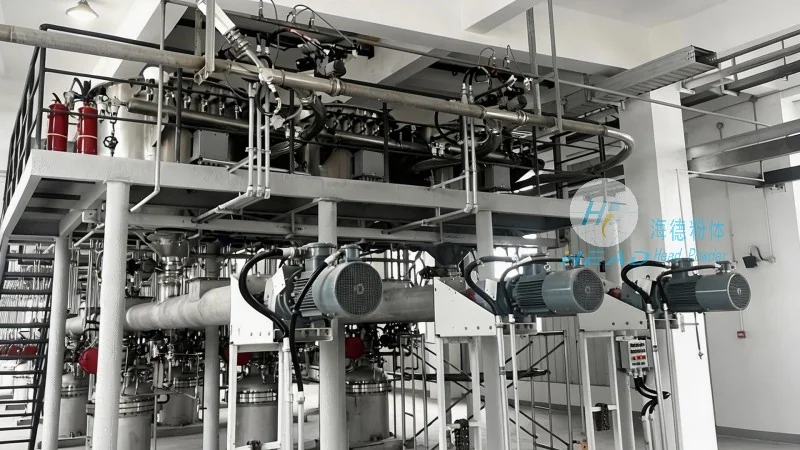
Selecting the appropriate aluminum foil conveying method depends on several factors, including the type of foil being handled, production volume, space constraints, and budget considerations. HeadPowder provides comprehensive consultation services to help clients evaluate their specific needs and recommend the most suitable conveying solution. By understanding the unique challenges of aluminum foil processing, HeadPowder designs customized systems that optimize performance, reduce downtime, and enhance overall operational efficiency. Whether a client requires a chain, roller, or air conveyor system, HeadPowder's expertise ensures that the chosen solution aligns with their production goals and industry standards.

 Shandong Headpowder Engineering Co., Ltd.
 156-6277-7102(Manager Zhang)
  0531-83386006
  Zhangqiu District, Jinan City, Shandong Province, China
telephone
WeChatconsult
top