With more than 10‑year industry experience, Shandong Headpowder delivers full‑service pneumatic‑conveying systems and blowers, undertaking nationwide turn‑key powder‑handling projects.
HeadPowder, a leading engineering firm based in Shandong, China, specializes in the design and implementation of pneumatic conveying systems tailored for additive materials. The choice between negative pressure and positive pressure systems is a critical decision for industries handling fine powders and granules, as each method presents distinct advantages and challenges.
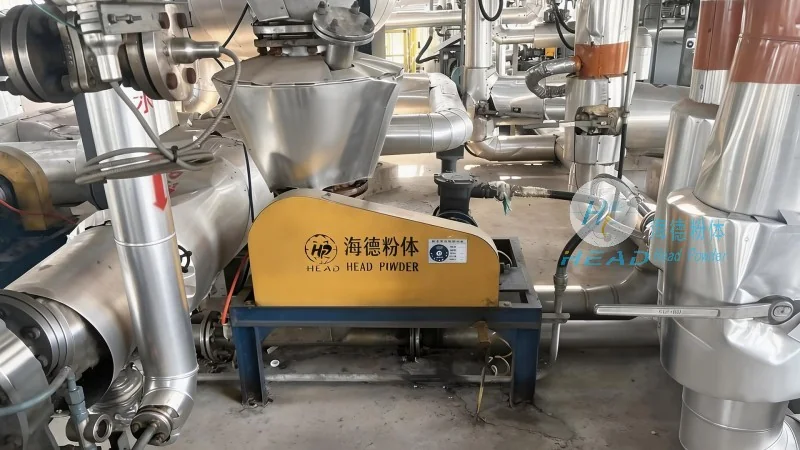
Negative pressure, or suction, conveying systems operate by creating a low-pressure zone at the inlet, drawing material from the source into the pipeline. This method is often preferred for applications requiring dust-free environments and the transfer of materials from multiple points to a central collection point. The primary advantage lies in its ability to handle materials that are prone to re-entrainment or require a controlled, low-velocity flow. Additionally, negative pressure systems are generally more energy-efficient for short to medium distances, as they rely on the vacuum created by the suction fan rather than pressurizing the entire pipeline.
For additive applications, negative pressure conveying offers several key benefits. Firstly, it minimizes product contamination by preventing cross-contamination between different batches, which is crucial when handling sensitive or high-value additives. The enclosed system ensures that dust and particles are contained, reducing environmental impact and maintaining product purity. Secondly, the low velocity of material flow in negative pressure systems reduces wear and tear on equipment, extending the lifespan of components like hoses and valves. This is particularly important for abrasive additives that can cause rapid degradation of conveying components. Furthermore, the design of negative pressure systems allows for easy integration with existing facilities, as the suction point can be positioned at various locations without the need for extensive pipeline modifications.
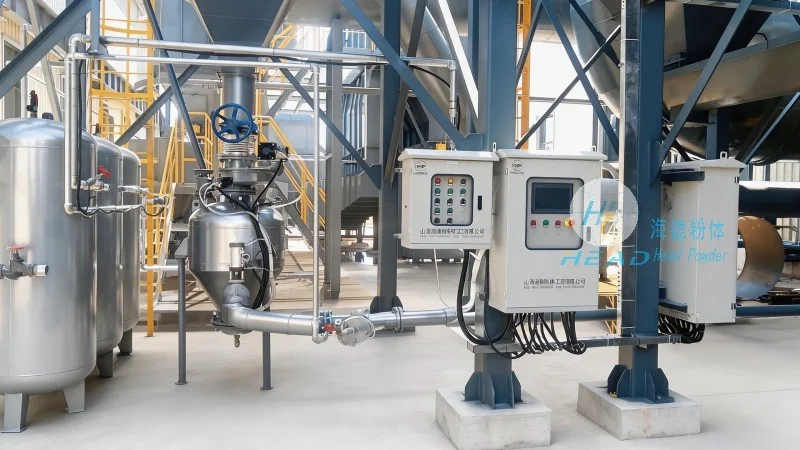
Despite its benefits, negative pressure conveying has notable drawbacks. One significant limitation is its lower capacity compared to positive pressure systems, making it less suitable for high-volume additive transfer over long distances. The suction force is limited by the fan's capacity, and as the pipeline length increases, the pressure drop becomes more pronounced, potentially reducing the flow rate. Another challenge is the risk of backflow or product leakage if the system is not properly sealed or maintained. This can lead to material loss and increased operational costs. Additionally, negative pressure systems may require more frequent maintenance due to the higher stress on the suction fan and associated components, especially when handling sticky or fibrous additives that can clog the suction line.
Positive pressure, or pressure, conveying systems operate by pressurizing the entire pipeline with air or gas, pushing material from the source to the destination. This method is ideal for applications requiring high flow rates, long-distance transport, and the handling of bulk quantities of additives. The primary advantage lies in its ability to handle larger volumes of material efficiently, as the pressurized air provides the necessary force to move the product through the pipeline. Positive pressure systems are also more suitable for materials that are prone to caking or agglomeration, as the higher velocity can break up clumps and maintain a consistent flow.
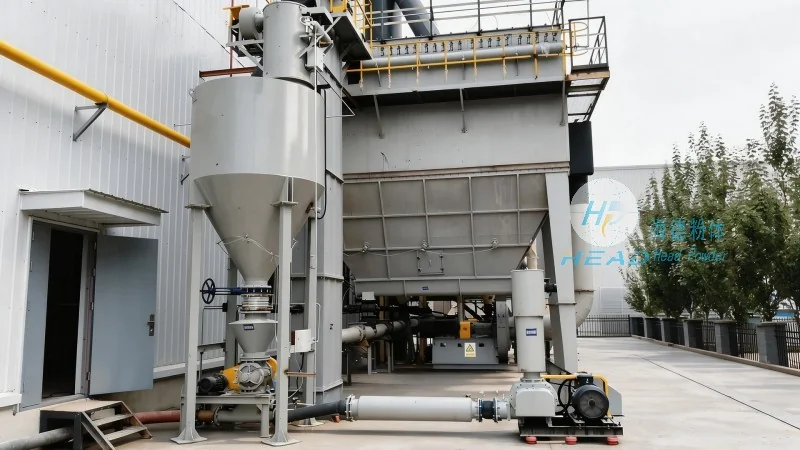
Positive pressure conveying offers several advantages for additive processing. Firstly, it supports high throughput, making it suitable for large-scale production lines where large quantities of additives need to be transferred quickly. The pressurized system can maintain a consistent flow rate even over long distances, reducing the need for intermediate storage or transfer points. Secondly, the system is less susceptible to backflow, as the pressure ensures that material moves in a single direction without reversal. This is particularly important for additives that are sensitive to moisture or oxidation, as the enclosed, pressurized environment minimizes exposure to external contaminants. Additionally, positive pressure systems can be more energy-efficient for long-distance transport, as the pressure can be maintained with a single, powerful blower, reducing the overall energy consumption compared to multiple suction fans in a negative pressure setup.
However, positive pressure conveying also has its limitations. One major drawback is the higher risk of product contamination due to the potential for cross-contamination between different batches. The pressurized environment can allow particles to escape from the system, leading to dust emissions and environmental issues. This is a critical concern for additives used in food, pharmaceutical, or cosmetic industries, where product purity is paramount. Another challenge is the increased wear and tear on equipment, as the high velocity and pressure can cause faster degradation of components like hoses, valves, and filters. This results in higher maintenance costs and more frequent replacements, especially when handling abrasive or corrosive additives. Furthermore, positive pressure systems require more robust sealing and safety measures to prevent leaks and ensure the integrity of the conveying process, which can add to the overall system complexity and cost.
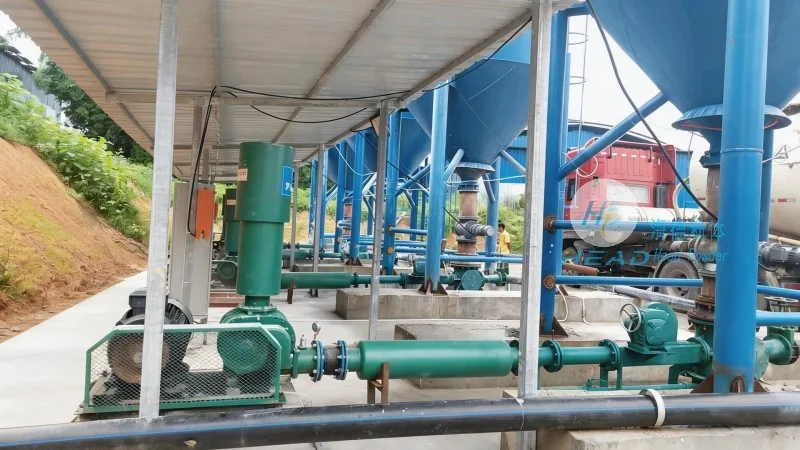
When selecting between negative and positive pressure conveying systems for additive applications, several factors must be considered. The first is the material characteristics, including particle size, density, and flowability. For fine, low-density additives prone to dusting, negative pressure systems may be more appropriate to maintain product purity. Conversely, for bulk, high-density additives that require high throughput, positive pressure systems are generally more efficient. The second factor is the distance and layout of the conveying route. Short to medium distances are often better suited for negative pressure systems due to their energy efficiency, while long distances or complex layouts may necessitate positive pressure solutions. The third consideration is the environmental and regulatory requirements. Industries with strict dust control regulations may prefer negative pressure systems to minimize emissions, whereas positive pressure systems can be more cost-effective for large-scale operations with established emission control measures.
Both negative pressure and positive pressure conveying systems offer viable solutions for additive pneumatic conveying, each with its own set of advantages and disadvantages. The choice ultimately depends on the specific application requirements, material properties, and operational constraints. HeadPowder, with its expertise in engineering customized conveying systems, can provide tailored solutions that optimize performance, efficiency, and cost-effectiveness for various additive handling needs. By understanding the nuances of each system, industries can make informed decisions to enhance their additive processing capabilities and ensure compliance with industry standards.

 Shandong Headpowder Engineering Co., Ltd.
 156-6277-7102(Manager Zhang)
  0531-83386006
  Zhangqiu District, Jinan City, Shandong Province, China
telephone
WeChatconsult
top