With more than 10‑year industry experience, Shandong Headpowder delivers full‑service pneumatic‑conveying systems and blowers, undertaking nationwide turn‑key powder‑handling projects.
When it comes to the pneumatic transport of industrial salt, selecting the right conveying method is crucial for ensuring efficiency, safety, and cost-effectiveness. Two primary approaches are widely used: negative pressure conveying and positive pressure conveying. Each method has its own set of advantages and disadvantages, which can significantly impact the overall performance of the conveying system. This article provides a detailed comparison of these two methods, focusing on their applications, operational characteristics, and key considerations for industrial salt handling.
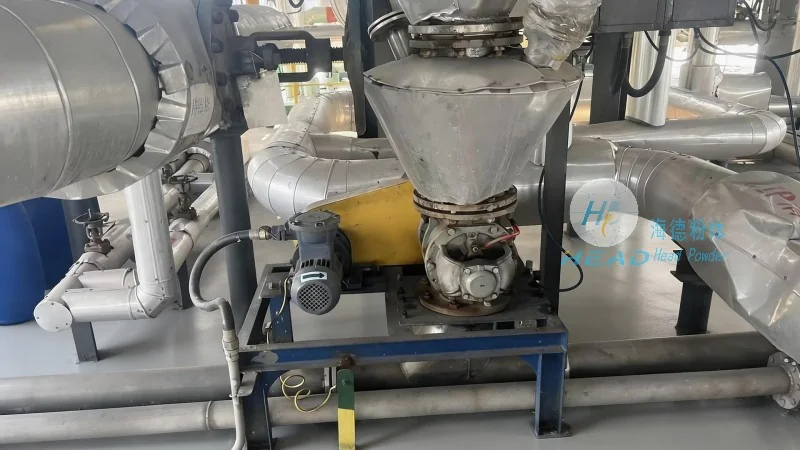
Pneumatic conveying is a technology that uses air or gas to transport bulk materials like industrial salt through a pipeline system. The two main categories are negative pressure (or suction) conveying and positive pressure (or pressure) conveying. The choice between these methods depends on factors such as material properties, distance, system complexity, and environmental requirements. Understanding the nuances of each approach is essential for optimizing the conveying process in industrial settings.
As a leading provider of pneumatic conveying solutions, Shandong HeadPowder Engineering Co., Ltd. specializes in designing and manufacturing systems tailored to the unique needs of industrial salt transport. With a strong focus on innovation and reliability, the company offers comprehensive services, including system design, installation, and maintenance. HeadPowder's expertise in industrial salt handling ensures that clients receive efficient and cost-effective solutions that meet the highest standards of performance and safety.
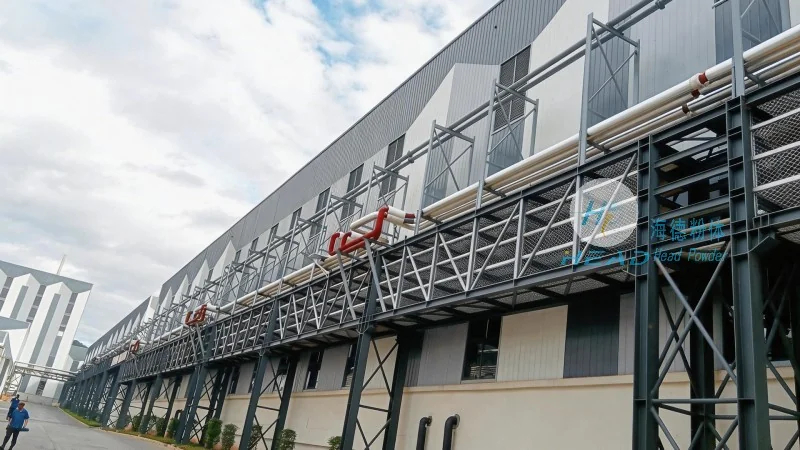
Negative pressure conveying, also known as suction conveying, operates by creating a low-pressure zone at the material inlet, which draws the industrial salt into the pipeline using a vacuum pump. This method is particularly suitable for applications where the material is to be transported from a source to a destination without the need for high-pressure air. The primary advantage of negative pressure conveying is its ability to handle fine or dusty materials without causing excessive particle breakage. It also minimizes the risk of material spillage and contamination, as the system operates under a negative pressure environment.
However, negative pressure conveying has several limitations. The main drawback is its lower conveying capacity compared to positive pressure systems, which can be a challenge for long-distance or high-volume transport. Additionally, the vacuum pump requires regular maintenance to ensure consistent performance, and the system is more susceptible to air leaks, which can reduce efficiency. The initial setup cost is also higher due to the need for a robust vacuum pump and additional sealing components.
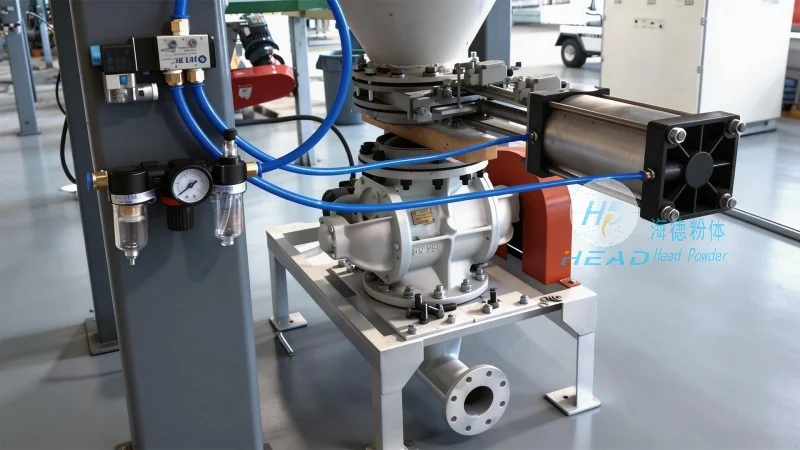
Positive pressure conveying, or pressure conveying, works by blowing air or gas through the pipeline at a higher pressure than the ambient environment, pushing the industrial salt forward. This method is ideal for long-distance or high-volume transport, as it can maintain a consistent flow rate and handle larger quantities of material. The key advantage of positive pressure conveying is its higher conveying capacity and ability to transport materials over greater distances without significant pressure loss.
Despite its benefits, positive pressure conveying has its own set of challenges. The system generates more dust and requires proper filtration to prevent air pollution and equipment damage. The higher air pressure can also lead to increased wear and tear on the pipeline and components, necessitating more frequent maintenance. Additionally, the noise level is typically higher compared to negative pressure systems, which may be a concern in certain industrial environments.
When comparing negative and positive pressure conveying for industrial salt transport, several factors must be considered. The choice between the two methods depends on the specific application requirements. For short-distance or low-volume transport of fine industrial salt, negative pressure conveying may be more suitable due to its gentler handling and lower dust generation. Conversely, for long-distance or high-volume transport, positive pressure conveying offers superior efficiency and capacity.
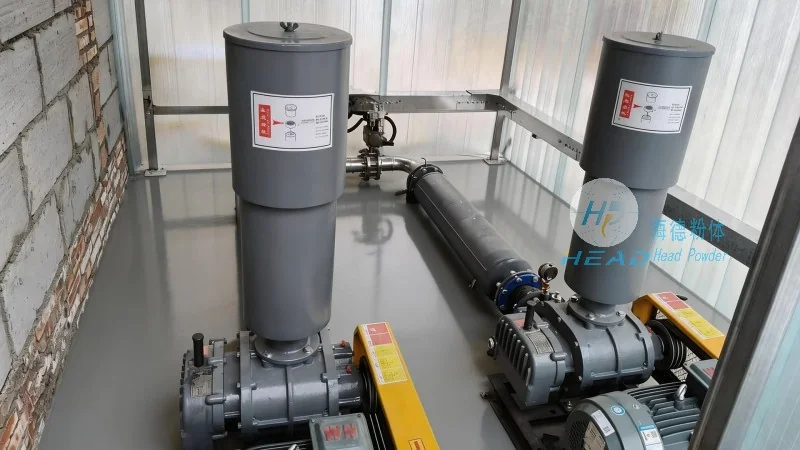
Cost is another critical factor. Negative pressure systems generally have higher initial costs due to the vacuum pump and sealing requirements, but lower operating costs as they consume less air. Positive pressure systems have lower initial costs but higher operating expenses due to the need for more air and increased maintenance. Environmental considerations also play a role, as negative pressure systems are more environmentally friendly due to their lower air consumption and reduced noise levels.
In conclusion, both negative pressure and positive pressure conveying methods have their place in industrial salt transport. The optimal choice depends on the specific needs of the application, including distance, volume, material properties, and budget constraints. Shandong HeadPowder Engineering Co., Ltd. provides expert guidance and customized solutions to help clients select the most appropriate conveying method for their industrial salt handling requirements. By understanding the advantages and disadvantages of each approach, businesses can ensure efficient, safe, and cost-effective operation of their pneumatic conveying systems.

 Shandong Headpowder Engineering Co., Ltd.
 156-6277-7102(Manager Zhang)
  0531-83386006
  Zhangqiu District, Jinan City, Shandong Province, China
telephone
WeChatconsult
top